
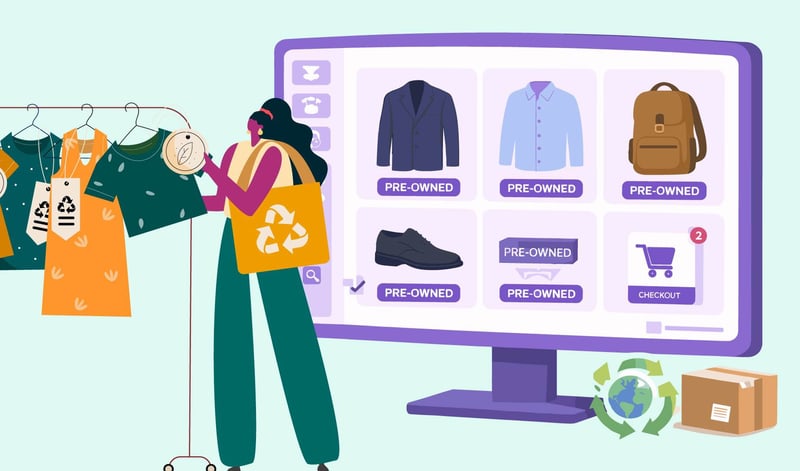
If you are searching for websites similar to ThredUp, top alternatives include The RealReal, Poshmark, Vestiaire Collective, Depop, and eBay. These platforms offer different approaches to secondhand shopping and selling, from luxury consignment to peer-to-peer resale.
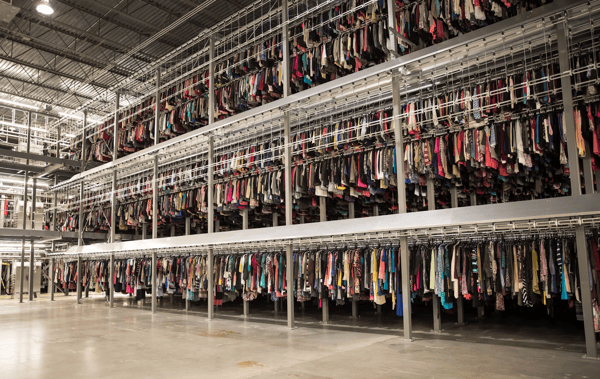
Photo Source: ThredUp
🧠 Did you know that ThredUp resells roughly 17 million garments per year?
What to Consider When Choosing a ThredUp Alternative
Not all resale platforms operate the same way, and understanding these differences helps ensure you choose a marketplace that aligns with selling goals and profitability expectations. Here are some things to consider.
Inventory size & categories
Some platforms prioritize volume and everyday brands, while others focus on luxury, vintage, or trend-driven fashion. The right fit depends on what you want to buy or sell and how quickly you want items to move.
Fees & payout structure
ThredUp payouts depend heavily on brand tier, item price, condition, and sale timing. Alternatives may use flat fees, percentage commissions, or tiered structures. Clear fee visibility is essential for profitability. The good news is that marketplaces pay more than ThredUp however, most also require more work on the sellers’ part.
Seller friendliness
Seller-friendly platforms offer pricing control, performance data, responsive support, and fewer restrictions. This matters most for resellers who operate consistently or at scale.
Shipping & return policies
Shipping and return rules directly affect seller workload, costs, and risk. Managed resale platforms like ThredUp typically control shipping logistics and offer standardized return windows to buyers, which simplifies fulfillment but can result in forced returns or deductions from seller payouts.
Peer-to-peer marketplaces require sellers to handle shipping themselves, but they usually allow sellers to set return policies, choose carriers, and reduce exposure to unwanted returns.
Buyer experience & curation
Strong filters, authentication, accurate descriptions, and easy returns build buyer trust. Platforms that invest in curation tend to attract higher-intent shoppers.
|
Platform |
Best For |
Seller Fees |
Buyer Experience |
Notes |
|
The RealReal |
Luxy Resale |
Commission-based, varies |
Highly curated with authentication |
Luxury and higher-end only |
|
Poshmark |
All Fashion |
Flat 20% fee on most sales |
Social and Interactive |
Easy to use, mobile-friendly |
|
Vestiaire Collective |
Luxury Resale |
Commission-based, varies |
Premium and curated |
Strong global presence |
|
Depop |
Trend-Driven Fashion |
No seller fee, small payment processing fee |
Social, aesthetic fashion |
Global presence, strong Gen Z userbase |
|
eBay |
Broad-resale |
Category-based fee, approximately 15% |
Search-driven, not curated |
Massive global audience |
The RealReal

🧠 Did you know that The RealReal is primarily online, but also has pop-up locations across the U.S.?
- What it is: The RealReal is a luxury consignment marketplace focused on authenticated designer fashion, jewelry, watches, and home goods. It uses a managed resale model similar to ThredUp.
- Best for: Best for sellers with authentic luxury inventory who want minimal involvement. Buyers benefit from authentication and premium curation.
- Fee structure: Commission rates vary by category and item value, with higher payouts for high-value luxury items. Learn more here.
- Top categories: Luxury apparel, handbags, shoes, jewelry, watches, home decor.
- Pros: Professional authentication, buyer trust, and access to high-spending customers.
- Cons: Limited seller control and lower payouts for mid-priced items.
Poshmark

- What it is: Poshmark is the largest peer-to-peer fashion marketplace in the United States. It blends ecommerce with social engagement. Sellers create listings, set prices, and interact directly with buyers. There is also a live selling option.
- Best for: Best for sellers who want pricing control and faster turnover. Buyers enjoy offers, bundles, and social discovery.
- Fee structure: Poshmark charges a flat 20% ccommission per sale (or a flat $2.95 for sales under $15.00).
- Top categories: Fashion! Women’s, men’s, kids, activewear, accessories, select home goods.
- Pros: Seller-controlled pricing, easy listing process, and strong mobile engagement.
- Cons: High competition in popular categories and the need for active sharing.
Learn more in the article How to Sell on Poshmark: A Step-by-Step Guide to Success
Vestiaire Collective

Photo Source: Vestiaire Collective
- What it is: Vestiaire Collective is a global luxury resale marketplace emphasizing authentication, sustainability, and designer fashion.
- Best for: Sellers seeking international exposure for luxury items and buyers looking for authenticated designer resale.
- Fee structure: Sellers pay commission fees ranging from ten percent to twenty-five percent, with higher-value items subject to lower fees. Learn more here.
- Top categories: Designer handbags, apparel, shoes, accessories.
- Pros: Global reach, strong luxury credibility, and built-in authentication.
- Cons: Higher total transaction costs and longer sale timelines.
💡Tip: Check out the Top Selling Items & Brands on Vestiaire Collective in 2026
Depop

- What it is: Depop is a peer-to-peer resale app that combines resale with social media aesthetics and personal branding.
- Best for: Best for sellers of vintage, Y2K, streetwear, designer, and trend-driven fashion. Buyers value originality and curated style.
- Fee structure: Depop does not have selling fees, but charges a payment processing fee of approximately 3.3%
- Top categories: Vintage clothing, streetwear, designer, Y2K fashion, and trending style.
- Pros: Global reach, no seller fees, strong engagement, trend responsiveness, and loyal buyer communities.
- Cons: Limited appeal for traditional basics.
Learn more in the article How to Sell on Depop: Tips, Tricks, and Strategies to Stand Out
eBay

- What it is: eBay is the largest and most lucrative resale marketplace in the world. It supports both auction and fixed price listings across nearly every resale category.
- Best for: Best for sellers who want maximum exposure and buyers who prefer search-driven shopping.
- Fee structure: Fees vary by category, with optional promoted listings and store subscriptions. Final value fees for fashion categories are currently 13%
- Top categories: Fashion, electronics, collectibles, home goods, and luxury.
- Pros: Massive buyer base, category flexibility, and strong search visibility.
- Cons: Competitive pricing pressure and a learning curve for optimization.

How to Decide Which Platform Is Best for You
Choosing the right resale platform depends on your primary goal, whether that is speed, profit margin, convenience, or access to a specific buyer audience. Each platform serves a different use case, and matching your inventory and expectations to the right marketplace leads to better results.
I want to sell fast inventory
If you want to sell fast, seller-controlled marketplaces like Poshmark and Depop allow quick price adjustments, offers, and direct buyer interaction. This flexibility helps move pieces more quickly.
I want to sell luxury items
If you want to sell higher-end, designer, and luxury goods, The RealReal and Vestiaire Collective provide built-in authentication and attract buyers actively searching for designer goods. These platforms prioritize trust and verification over speed.
I just want to browse & buy
Managed resale platforms like The RealReal offer curated inventory, standardized photography, and consistent return policies, creating a more traditional retail experience for buyers.
I want the lowest fees
Peer-to-peer marketplaces with minimal or transparent seller fees, like Depop, generally provide higher margins. These platforms require more hands-on effort but allow sellers to keep more of each sale.
ThredUp Alternatives: Sell with Vendoo
Vendoo helps resellers manage inventory across multiple marketplaces from one centralized dashboard. Instead of relying on a single resale platform, sellers can crosslist to Poshmark, Depop, eBay, Vestiaire Collective, Mercari, Etsy, Whatnot, and other ThredUp alternatives simultaneously.
Vendoo allows sellers to track performance, manage inventory, automate tasks, streamline workflows, and diversify revenue streams, turning resale into a scalable multi-platform strategy.
Selling on Sites Similar to ThredUp
ThredUp is a major name in secondhand fashion, but it is not the best fit for every buyer or seller. Depending on your priorities, there are strong websites similar to ThredUp that offer better control, stronger margins, or more targeted buyer audiences.
By pairing the right platforms with tools like Vendoo, resellers gain flexibility, resilience, and long-term growth potential.
Websites Similar to ThredUp FAQs
What's another site like ThredUp?
Popular alternatives include Poshmark, Vestiaire Collective, eBay, The RealReal, and Depop.
Who competes with ThredUp?
Competitors include managed resale platforms like The RealReal and global luxury marketplaces like Vestiaire Collective, along with large peer-to-peer resale apps.
Which thrifting app is best?
The best thrifting app depends on your goal. Managed platforms are ideal for browsing, while peer-to-peer apps offer greater control and profit potential for sellers.