
The best sites for second-hand items in 2026 are eBay, Poshmark, Mercari, Depop, and Vinted, each offering a mix of vintage fashion, refurbished electronics, and general home goods. For buyers, shopping secondhand online has never been easier or safer, thanks to stricter authentication and buyer protection policies across most platforms.
For sellers, though, sticking to just one platform doesn't really cut it anymore. Every app attracts a different crowd, so the sellers doing well in 2026 are listing across multiple sites at once, usually with software handling the busywork of getting everything posted everywhere.
Whether you're hunting for good deals or trying to clear out your closet, picking the right platform (or platforms) makes a real difference. Below, we'll break down the best sites for fashion, electronics, and general goods, how their fees compare, and how sellers are managing all of it without losing their minds.
Main Takeaways
- eBay, Poshmark, Mercari and Depop are some of the best sites for second-hand items in 2026, but each one caters to a completely different crowd.
- Seller fees vary a lot by platform, from 0% on Vinted, to a flat 10% on Mercari, to as much as 20% on Poshmark.
- Buying secondhand isn't just about saving money, it also cuts down on textile waste and the demand for new manufacturing.
- Selling on just one platform limits your reach, and most sellers doing well in 2026 list across multiple sites at once.
Best Sites for Second-Hand Clothing and Fashion
If you're buying or selling clothes, these are the platforms actually worth your time, and each one has a different type of audience.
Poshmark
Still one of the best places for secondhand women's apparel and mall brands. Buyers get flat-rate shipping no matter the item, which makes it great for bundles, and the platform's social features (sharing, following, live shows) keep the community active. Sellers pay a 20% commission on items over $15, which is steep in comparison to all other sites, but when you're weighing selling on Poshmark vs eBay, that fee can be a fair trade-off for access to buyers already there looking to shop.
Depop
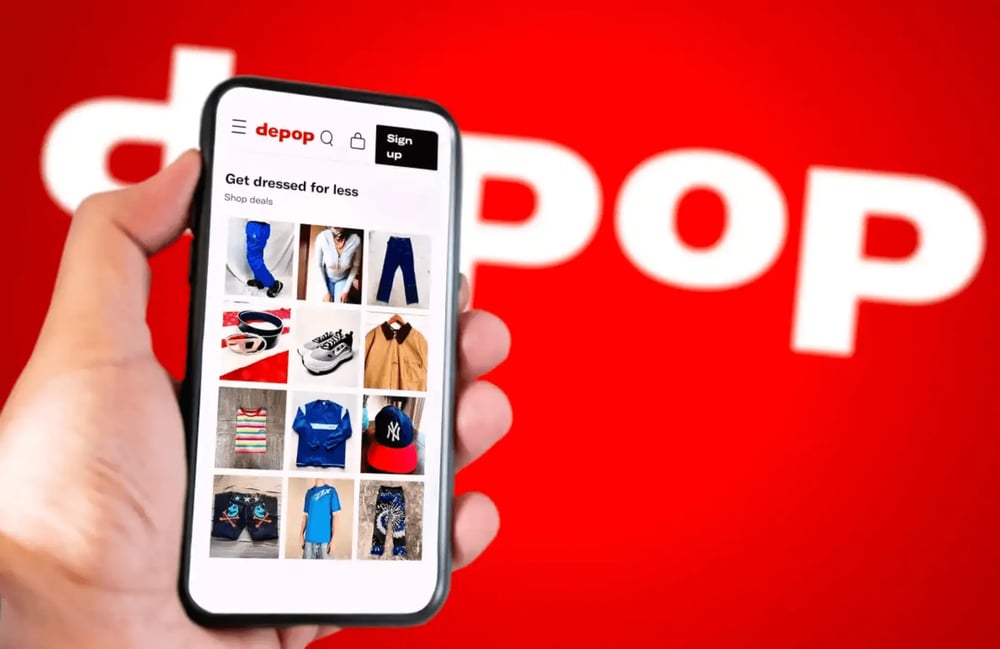
This is where Gen Z and streetwear shoppers usually shop and sell. Buyers can dig up unique pieces, Y2K fashion, vintage denim, one-of-a-kind reworked items, that you won't really find anywhere else. Sellers pay around a 10% fee, and trendy pieces can sell within hours of listing.
Vinted
Vinted's growth has been hard to ignore, especially for buyers hunting casual, budget-friendly clothing. It charges sellers zero fees. Instead, buyers pay a small "buyer protection" fee at checkout. That makes it a solid spot for buyers looking for everyday basics at low prices, and for sellers offloading the kind of inventory where a 20% cut wouldn't make sense.
Grailed
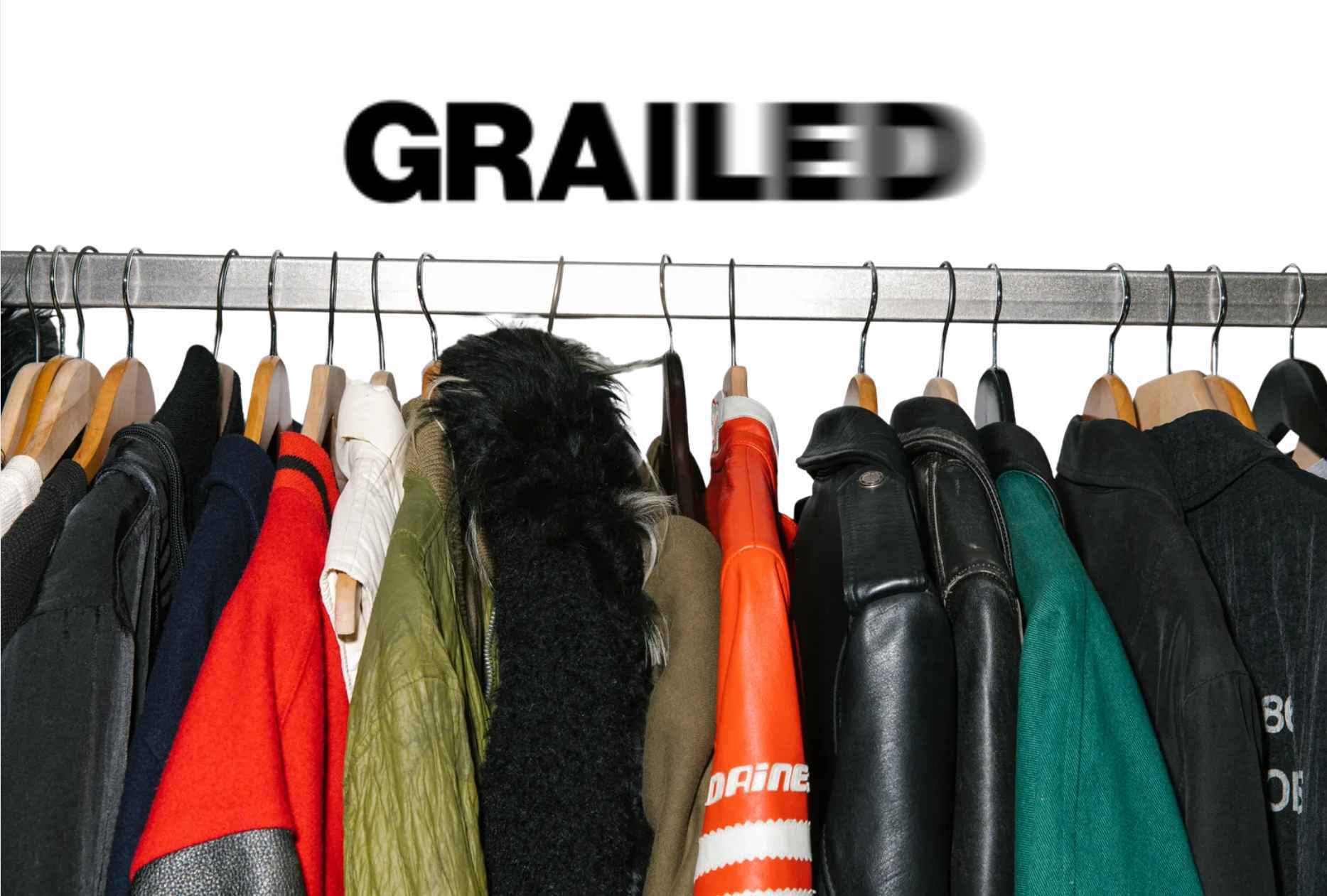
The go-to for high-end menswear. Buyers come here specifically for designer archives, verified sneakers, and pieces that have been authenticated, which matters a lot when you're spending a lot of money on secondhand luxury.
ThredUp
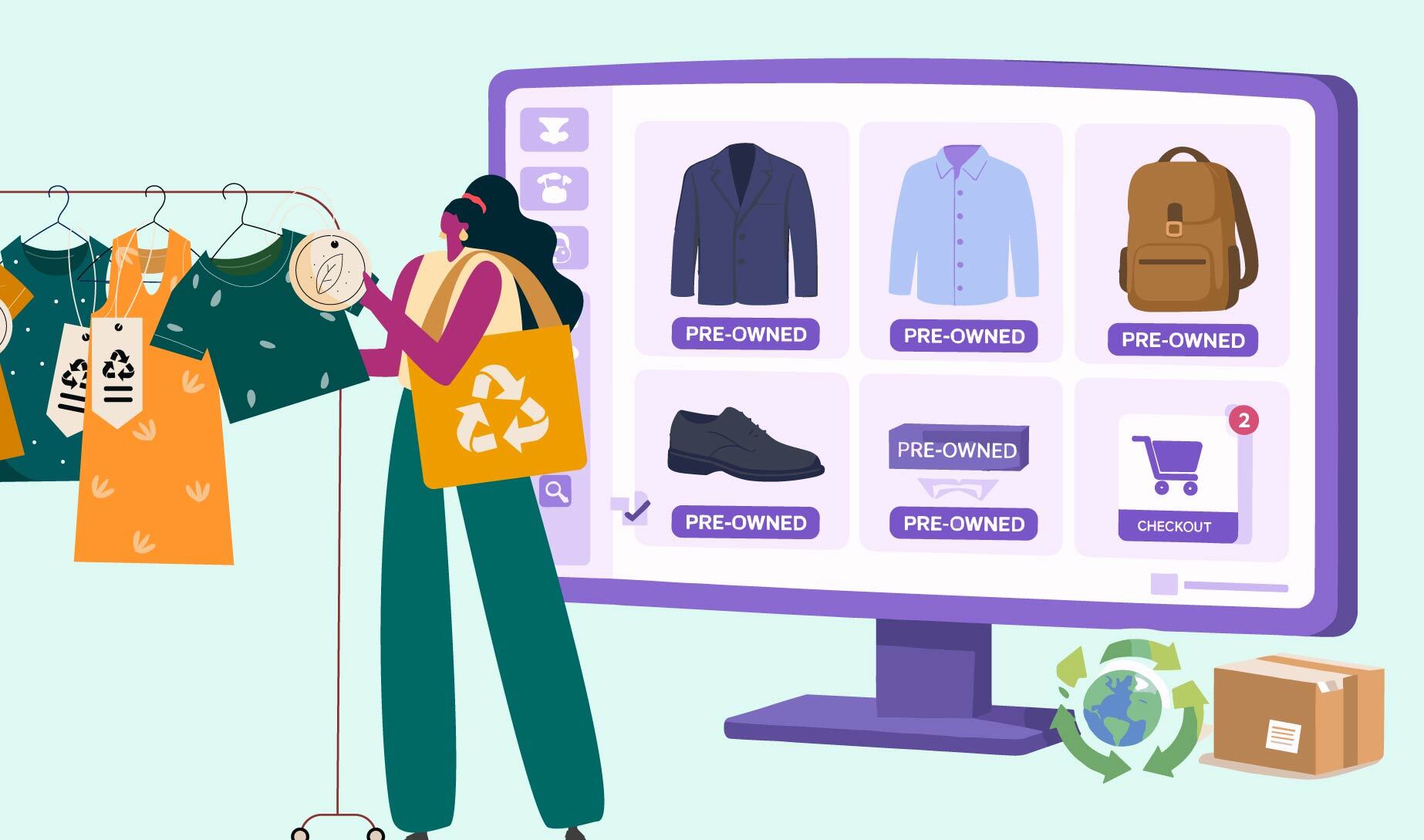
Buyers get a huge selection of pre-owned clothing, which makes browsing easier than digging through individual sellers' closets. For sellers, you mail in a bag of clothes and ThredUp handles the listing, photos, and shipping. It's a lower payout per item, but about as hands-off as reselling gets.

Best Sites for Electronics, Vintage, and General Goods
Fashion isn't the only category worth shopping secondhand. Refurbished laptops, vintage furniture, old collectibles, and general household goods all have their own dedicated marketplaces too. Here are the best sites for secondhand items beyond clothing.
eBay

With over 130 million active buyers worldwide, eBay is still the biggest marketplace out there. If you're hunting for something obscure, a rare vintage find, a specific electronics part, a discontinued collectible, this is usually where you'll find it. Sellers benefit from that same reach, since a niche item that won’t move anywhere else will often find its buyer here.
Mercari

It's the most user-friendly app for general goods: toys, video games, small home items, everyday stuff, though there are also several sites like Mercari worth browsing if you want more options. Buyers get a clean, simple shopping experience. As of 2026, Mercari charges sellers a flat 10% selling fee with no separate payment processing charge, which is simpler and often cheaper than stacked fee structures like eBay's or Poshmark's.
Facebook Marketplace

The go-to for bulky items that can't be shipped, think couches, dressers, large appliances, but smaller items sell well here too. Buyers can browse locally on FBMP and pick items up in person, and sellers avoid shipping costs and fees entirely with cash meetups, though it's worth understanding Facebook Marketplace fees before you opt into shipping instead. Shipping is also an option for smaller items if you'd rather not meet up in person.
OfferUp

It's similar to Facebook Marketplace in that it's built around local buying and selling, but with the option to ship smaller items too, so it's worth reading our Facebook Marketplace vs OfferUp breakdown if you're deciding between the two. OfferUp is a solid spot for electronics, furniture, and general household goods, especially for buyers who'd rather deal with someone local than wait on shipping.
Etsy
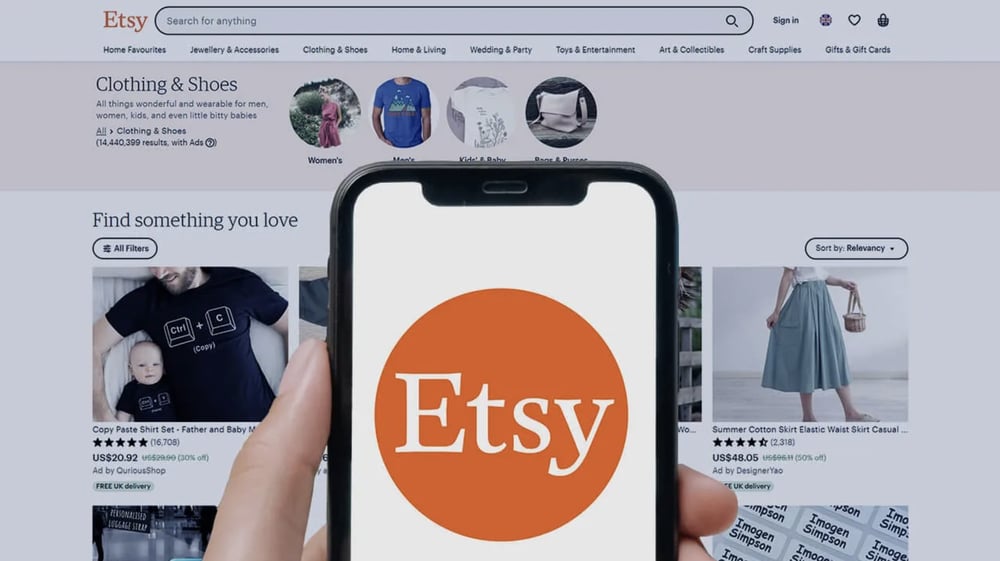
Has a huge vintage marketplace built in, and it's worth knowing about even if you don't think of Etsy as a resale site. Buyers come here specifically for genuine vintage furniture, art, and decor, pieces with actual history, not mass-produced reproductions. For sellers, it's one of the best places to sell vintage items online, especially for finds with real history behind them.
Platform Comparison: Top Second-Hand Sites
Here's how the major secondhand marketplaces stack up side by side, so you can see fee structures and audiences at a glance.
Managing Multi-Platform Inventory with Vendoo

If you're only selling on one platform, you're missing out on sales, plain and simple. Every app pulls in a different kind of buyer, and the sellers doing well in 2026 aren't picking a favorite, they're everywhere their buyers already are.
Here is how cross-listing boosts your sales, and how Vendoo makes it effortless to manage without losing your mind.
- Maximizing Visibility: That vintage graphic tee could sit unsold on Poshmark for months, but sell within an hour to the right streetwear buyer on Depop. It isn't that one platform is superior to another; they simply cater to completely different demographics.
A mall-brand blazer might thrive with Poshmark's shoppers but get zero traction on Depop, while a pair of beat-up vintage Levi's could be the exact holy grail a Depop buyer is searching for. Cross-listing puts your inventory in front of the right audience on eBay, Poshmark, Mercari, Depop, and beyond, instead of hoping a single crowd happens to want what you're selling. - One-Click Centralized Listing: Reaching all those buyers manually just isn't scalable. Typing the same title, description, and price into multiple apps one by one eats up hours of your time, especially as your inventory grows.
Vendoo solves this exact bottleneck. You create your item form once, upload your photos once, and cross-post to all your connected platforms in seconds. Same item, same effort, exponentially greater reach. - Instant Sale Detection: Double-selling an item is one of the biggest risks of cross-listing manually. If that graphic tee sells on Poshmark, forgetting to manually remove it from eBay or Mercari can lead to cancelled orders, frustrated buyers, and account strikes.
Vendoo eliminates this risk entirely. The moment an item sells on one platform, Vendoo automatically detects the sale and delists the item from all your other connected marketplaces instantly, keeping your inventory accurate and your seller ratings safe. - Mobile Freedom: A lot of reselling doesn't happen at a desk. Vendoo's mobile app means you can photograph, list, and delist items straight from your phone, wherever you are.
Conclusion
The secondhand market in 2026 has never had more variety, whether you're hunting down vintage denim, buying a discounted laptop, or clearing out your own closet for extra cash. If you're buying, it's worth exploring the niche platforms instead of defaulting to the biggest name, since that's usually where the better deals and unique finds are.
If you're selling, it’s time to stop relying on just one marketplace. Listing across multiple platforms is how sellers are growing in 2026, and starting a 14-day Vendoo free trial makes managing all of it, listing, delisting, and everything in between, feel more manageable.
FAQs
What's the safest site to buy secondhand items online in 2026?
Platforms with built-in buyer protection, like eBay, Poshmark, and Vinted, are generally your safest bet. They hold your payment until the item arrives as described, so you're covered if the item doesn't match the listing.
Which secondhand site has the lowest seller fees?
Vinted charges sellers 0% in fees, shifting the cost to buyers instead through its Buyer Protection fee. Facebook Marketplace is also fee-free for local cash sales.
Do I have to pick just one platform to sell on?
No, and honestly? You shouldn't. Different apps attract different buyers, so an item that flops on one platform may sell fast on another. Most successful sellers list across several sites at once, usually with software like Vendoo handling the listing and delisting for them.
Is buying secondhand clothing actually better for the environment?
Yes. Buying secondhand keeps clothing out of landfills and cuts down on the demand for new manufacturing, which is a major source of textile waste and water usage. This kind of environmental impact is part of why secondhand platforms have grown so much.
What's the best site to sell electronics secondhand?
eBay is usually the best bet for electronics, thanks to its large buyer base and strong search visibility for specific models and parts. Facebook Marketplace works well too if you'd rather sell locally and skip shipping altogether, especially for bulkier items like TVs or monitors.