

A Goodwill Bluebox, often called a “goodwill box”, is a bulk mystery box sold online by Goodwill that contains surplus items not suitable for regular thrift store shelves. These boxes are marketed to resellers, crafters, and upcyclers who want affordable inventory in larger quantities.
Instead of browsing racks in a local store, you buy a box sight unseen. Inside might be tangled jewelry, denim bundles, premium clothing lots, or other surplus items that need sorting, cleaning, or repair before resale.
Main Takeaways
- Bulk mystery inventory: Goodwill Bluebox sells boxes of 5-lb jewelry repurpose lots and 10- to 20lb clothing bundles.
- Reseller-focused: Marketed toward resellers, crafters, and upcyclers looking for sustainable wholesale inventory.
- Fast restocks: Curated boxes often restock Fridays around 6 PM ET, and many sell out in seconds.
- Jewelry is popular: Repurposed jewelry boxes can include junk metal, broken items, and occasional vintage or sterling finds.
- Pros: Low cost per item, potential profitable flips on eBay, Poshmark, Etsy, or Depop.
- Cons: Contents vary widely, broken items are common, and some recent feedback mentions more new or imported items mixed in.
What Is Goodwill Bluebox?
Goodwill Bluebox is an online program run through Goodwill Industries International that sells surplus inventory in bulk lots. The official storefront is buybluebox.com.
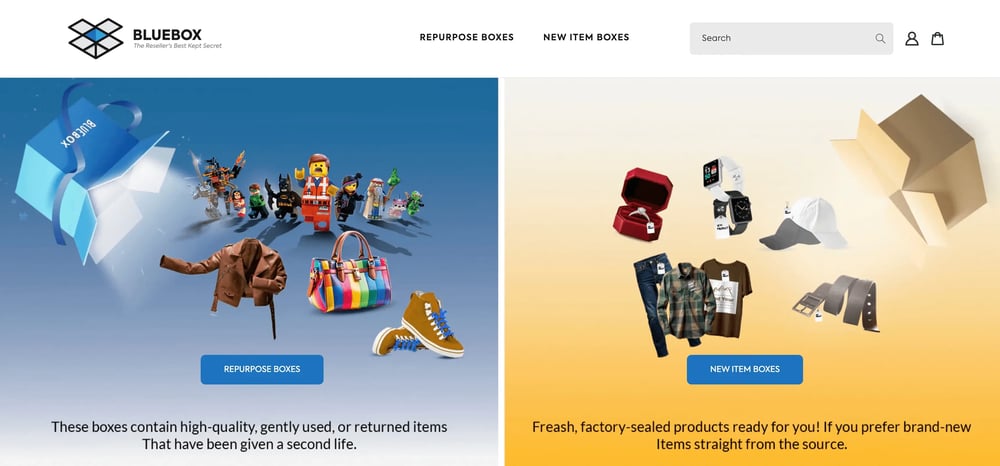
These boxes are designed to redirect items that didn’t sell in retail stores to prevent them from becoming landfill waste. They’re highly popular and sought after.
These items are often unsold items from retail stores or items that are not suitable for shelves, overstock, or better-suited for crafting or wholesale.
The boxes are grouped into categories such as:
- Repurpose boxes: Items meant for crafting, repair, or parts. Jewelry repurpose boxes are the most popular example.
- Curated boxes: Handpicked items in better condition, often clothing with recognizable brands.
- Themed boxes: Denim bundles, premium clothing, accessories, or seasonal items.
This is not traditional thrift shopping. It is wholesale-style sourcing for people who can handle sorting, repairing, or listing large amounts of inventory.
How Goodwill Bluebox Works
Buying a goodwill box is simple, but timing matters. Here is the step-by-step:
1. Visit buybluebox.com
Browse categories like repurpose, curated, apparel, and accessories.
2. Check box details
Listings show weight, limits per customer, and condition notes. For example, jewelry repurpose boxes are often 5 pounds and limited to a few per buyer.
3. Buy during restocks
Boxes restock Fridays around 6 PM ET. Other boxes appear randomly. Popular boxes sell out very quickly!
4. Receive shipment
Shipping rates vary by box. Some smaller boxes ship at a flat rate.
5. Sort and process items
Check out your finds! Clean jewelry, untangle chains, test metals, repair clothing, or steam items.
6. Resell usable items
Many buyers list pieces on platforms like eBay, Poshmark, Etsy, or Depop.
💡 Tip: Set restock alerts or alarms on your phone to be sure you snag a box on time. Some sell out within seconds!
Types of Goodwill Bluebox Boxes
While boxes and availability vary, here are some of the most popular Goodwill boxes. Note that weight, quantity, and price range fluctuate.
| Box Type | Weight / Quantity | Price Range | Notes | Best For |
|---|---|---|---|---|
| Jewelry Repurpose | 5 lbs | $20–$60 | Mixed recycled jewelry, broken pieces, crafting parts. Chance of vintage or sterling. | Crafters, repair experts, flippers |
| Curated Clothing | 10–20 lbs | $50–$150+ | Handpicked clothing lots and known brands | Clothing resellers |
| Denim or Premium Boxes | 10–15 items | $30–$120 | Jeans or brand-themed boxes | Targeted flips |
| Accessories or Misc | Varies | Varies | Belts, scarves, shoes, or mixed surplus | Bulk buyers |
Pros and Cons of Goodwill Bluebox
Community feedback from reseller forums, YouTube unboxings, and independent reviews shows a consistent pattern.
Goodwill Box Pros
- Low cost per item: Buying bulk items to resell can reduce sourcing costs compared to thrift stores.
- Potential high-value finds: Some buyers report finding sterling jewelry, signed vintage pieces, or premium brands.
- Sustainable sourcing: Items that might be discarded are reused or repurposed.
- Convenient delivery: Inventory comes to your door, which saves sourcing time.
- Fun/ Surprise factor: It’s just fun, simple as that!
Example of the highly popular jewelry box!
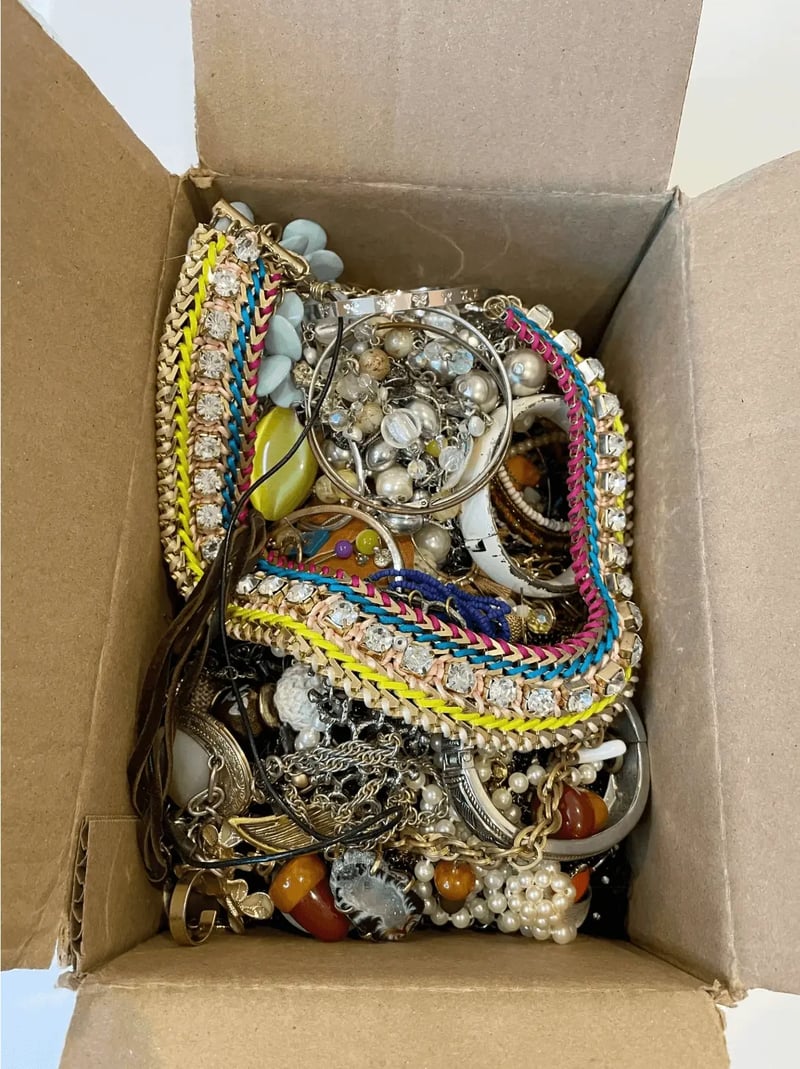
Image Source: From Pennies to Plenty
Goodwill Box Cons
- High variability: Many boxes contain mostly broken or low-value items.
- Hard to buy: Popular boxes sell out in seconds.
- Mixed sourcing concerns: Some buyers report seeing new imported items instead of donated goods.
- Time-intensive: Sorting tangled jewelry or cleaning clothing can take hours.
- No guarantees: Mystery boxes are final sale. Shipping costs add up.
Independent unboxings show both profitable finds with valuable pieces and disappointing boxes with literal junk. Many experienced resellers treat Bluebox as a gamble. While it can be a risk, there is also a fun factor!
Tips for Getting and Using Goodwill Bluebox
Here are some tips for getting a Goodwill Blue Box!
Monitor Restocks Closely
Curated boxes often drop Fridays around 6 PM ET. Sign up for notifications, follow reseller groups, and refresh the site before drop time. Some buyers keep multiple browser tabs open.
Start Small:
Buy one jewelry box or one clothing lot first. Track your cost per item and resale value. This helps you decide if Bluebox is worth it and fits your business model.
Sort Immediately
Untangle jewelry, test metals, and clean clothing as soon as the box arrives. The faster you process inventory, the sooner you can list profitable items.
Crosslist Your Finds
Listing items on multiple platforms increases visibility and sell-through. Tools like Vendoo help manage listings across marketplaces without duplicate work.
Research Recent Unboxings
Bluebox contents change over time. Watch current YouTube unboxings or read recent reseller forum posts to see what buyers are receiving now.
Is Goodwill Bluebox Worth It in 2026?
A goodwill box can be worthwhile for experienced resellers or crafters who enjoy sorting bulk inventory and handling unpredictable results. The potential for profitable finds is real, especially with jewelry or curated clothing lots.
It may not be ideal for beginners who need consistent quality inventory. Community reviews in 2025 and early 2026 show mixed experiences, including reports of more low-value items or new imported pieces in some boxes.
The best approach is to test one box, track your profit, and compare it with sourcing locally. Many successful resellers use Bluebox occasionally as a supplement rather than their main inventory source.
Goodwill BlueBox FAQ
What is a Goodwill Bluebox?
A Goodwill Bluebox is a mystery box sold online by Goodwill that contains surplus items such as jewelry, clothing, or accessories. Boxes are meant for resellers, crafters, and upcyclers.
How do I buy a Goodwill Bluebox?
Visit buybluebox.com, choose a box, and purchase during restocks. Popular boxes sell out quickly, and restocks are Fridays at 6PM ET.
When do Goodwill Bluebox boxes restock?
Curated boxes often restock on Fridays around 6 PM ET. Other boxes appear randomly depending on inventory.
What comes in a Goodwill Bluebox jewelry repurpose box?
Jewelry repurpose boxes usually contain tangled necklaces, broken items, craft parts, and occasional wearable or valuable pieces. Contents vary widely.
Are Goodwill Bluebox items donated or new?
Most items come from donations or surplus inventory, but some buyers report seeing new or imported items mixed into boxes.
Is Goodwill Bluebox good for resellers?
It can be profitable for resellers who can repair, clean, and list items efficiently. It is less reliable for beginners who need consistent inventory quality.
What if my Goodwill Bluebox is disappointing?
Mystery boxes are usually final sale. Many buyers reuse items for crafting, donate them again, or sell parts in bulk to recover costs.