

OfferUp remains one of the most recognizable apps for local buying and selling, but it is far from the only option. In 2026, the best apps like OfferUp include Facebook Marketplace, Craigslist, Nextdoor, eBay, and several niche marketplaces designed for specific categories.
Many users start looking for OfferUp alternatives after running into common frustrations. Shipped sales on OfferUp are subject to a hefty service fee, local buyers frequently disappear after agreeing to meet, and the platform has become increasingly crowded with sponsored listings and advertisements.
The good news is that there is no single marketplace that works best for everything. Every marketplace has pros and cons, and the right app often means matching the platform to the item you're selling.
Main Takeaways
- Facebook Marketplace remains the strongest local-selling platform for most categories.
- Craigslist continues to perform exceptionally well for furniture, vehicles, and large items.
- Nextdoor offers one of the safest local-selling environments due to address verification.
- eBay provides access to a massive global audience that local marketplaces cannot match.
- Specialized marketplaces often outperform general selling apps for electronics, fashion, and collectibles.
- Combining local and nationwide marketplaces typically produces the best results for serious sellers.
Comparison Table: OfferUp vs. Top 2026 Alternatives
Let’s explore some apps like OfferUp at a glance 👀
The Best Local OfferUp Alternatives (Zero Fees)
If your goal is to sell locally and collect cash without dealing with shipping, several platforms provide a similar experience to OfferUp.
Facebook Marketplace
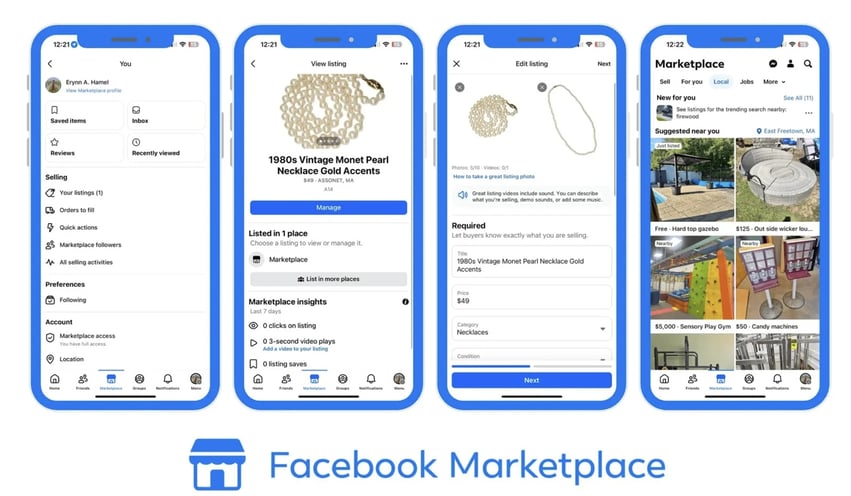
Facebook Marketplace is the undisputed leader of local selling in 2026, turning browsers into buyers.
Its biggest advantage is reach. Because FBMP is integrated directly into Facebook, sellers gain access to an enormous audience without requiring buyers to download another app. Furniture, appliances, home décor, sporting goods, and everyday household items often move faster here than on OfferUp.
Another benefit is transparency. Buyers and sellers can usually view each other's Facebook profiles before meeting, creating more accountability than anonymous classified platforms.
Pros:
- Massive local audience
- Free local transactions
- Fast turnover for common household items
- Ability to view buyer profiles
Cons:
- Frequent lowball offers
- High competition
- Large volume of automated inquiries
Craigslist

Craigslist may look dated, but it remains highly effective.
Large furniture, vehicles, trailers, construction equipment, and machinery continue to sell well through Craigslist. Many buyers still search Craigslist first when shopping for bulky items that are impractical to ship.
Compared to OfferUp, Craigslist offers significantly less user verification. OfferUp's TruYou system provides more accountability, while Craigslist users should exercise additional caution when arranging transactions.
Pros:
- No listing fees
- Strong vehicle marketplace
- Excellent for large and heavy items
- Long-established user base
Cons:
- Limited verification
- Higher scam potential
- Older interface
Nextdoor
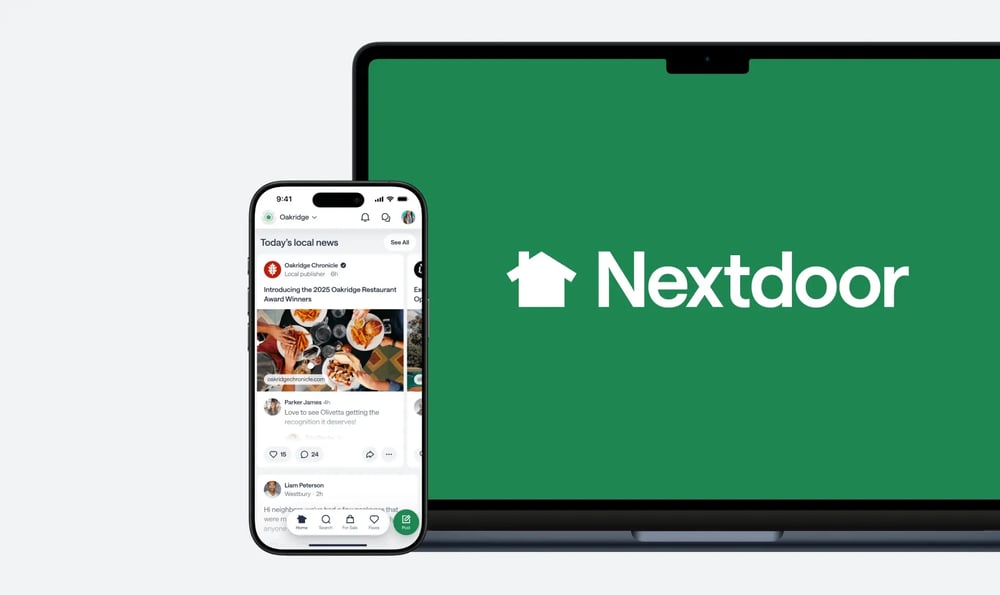
Nextdoor has become one of the safest hyper-local selling platforms available.
Because users generally verify their home addresses to participate in neighborhood groups, transactions often feel more trustworthy than those arranged through traditional classifieds apps. Sellers frequently report fewer no-shows and less ghosting because buyers are actual neighbors rather than anonymous users.
Nextdoor works especially well for:
- Household goods
- Children's items
- Free giveaways
- Yard equipment
- Community exchanges
VarageSale
VarageSale focuses on community-based buying and selling.
The platform uses active moderation and user verification to reduce fraudulent activity and fake accounts. Many communities are family-oriented, making VarageSale particularly effective for children's items, home goods, seasonal décor, and household essentials.
Compared to OfferUp, the audience is smaller, but sellers often report more reliable interactions.
5miles
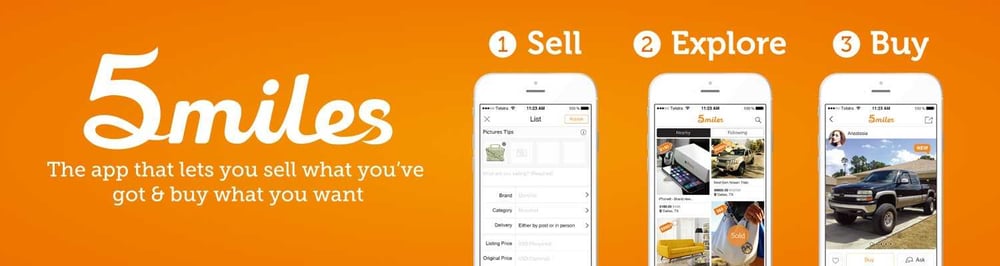
5miles is another local marketplace worth considering.
The platform focuses on nearby transactions while incorporating user verification features that help build trust between buyers and sellers. Although it lacks the reach of Facebook Marketplace, it can provide additional exposure for local inventory.
For sellers seeking alternatives beyond OfferUp and Facebook Marketplace, 5miles remains a useful option.

The Best OfferUp Alternatives for Nationwide Shipping
For sellers focused on cash transactions and local pickups, several platforms offer a similar experience to OfferUp without requiring shipping labels or marketplace fees.
eBay

If an item is not selling locally, it may simply need a larger audience.
eBay gives sellers access to approximately 136 million active buyers worldwide, making it one of the largest ecommerce marketplaces available. Unlike OfferUp, which remains heavily focused on local transactions, eBay is built for nationwide and international selling.
eBay excels in categories that often struggle on local marketplaces, including:
- Collectibles
- Trading cards
- Vintage goods
- Electronics
- Vehicle parts
- Specialty hobby equipment
Another advantage is flexibility. While most transactions are shipped, sellers can also offer local pickup on eligible listings. This allows users to benefit from eBay's massive audience while still accommodating local buyers when desired.
You might also be interested in the article eBay Selling Tips: How to Sell on eBay
Mercari
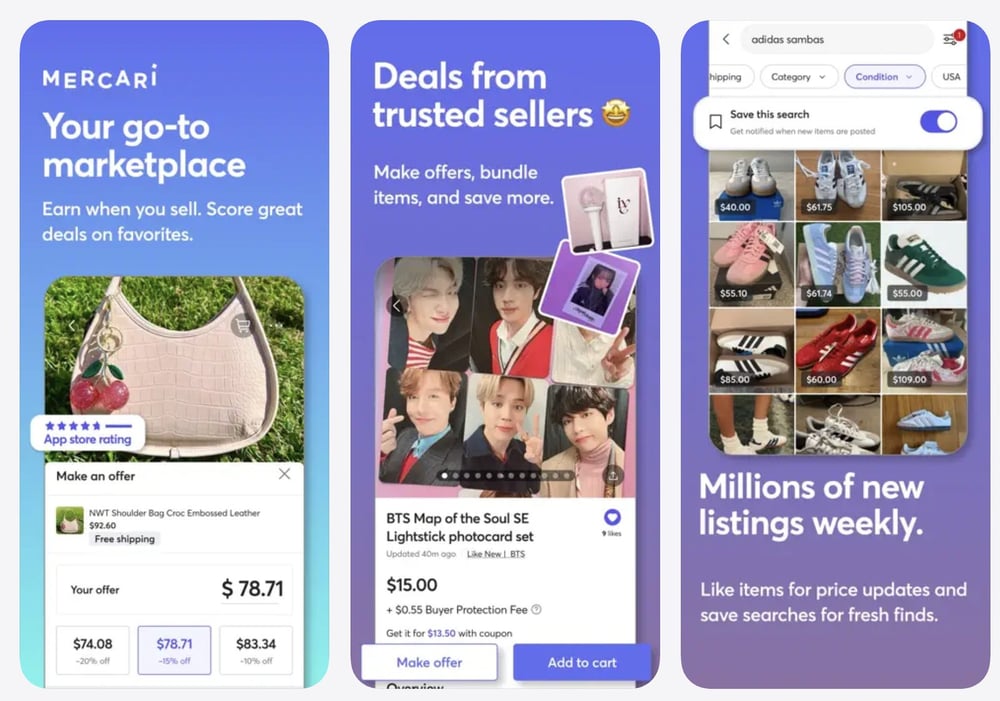
Mercari has become a popular destination for casual sellers who want a simple shipping experience.
The platform focuses on ease of use. Creating listings is straightforward, shipping labels are generated directly through the app, and the selling process feels less complicated than eBay.
Mercari performs particularly well for everyday consumer goods, clothing, toys, and home items.
Also, check out the article How to Sell on Mercari: Become an Expert in 9 Steps
Depop

Depop continues to dominate among fashion buyers worldwide. The platform combines ecommerce with social media elements, creating an environment where buyers actively browse for clothing and accessories. Vintage apparel, streetwear, and trending brands often perform significantly better on Depop than on local marketplaces.
Etsy
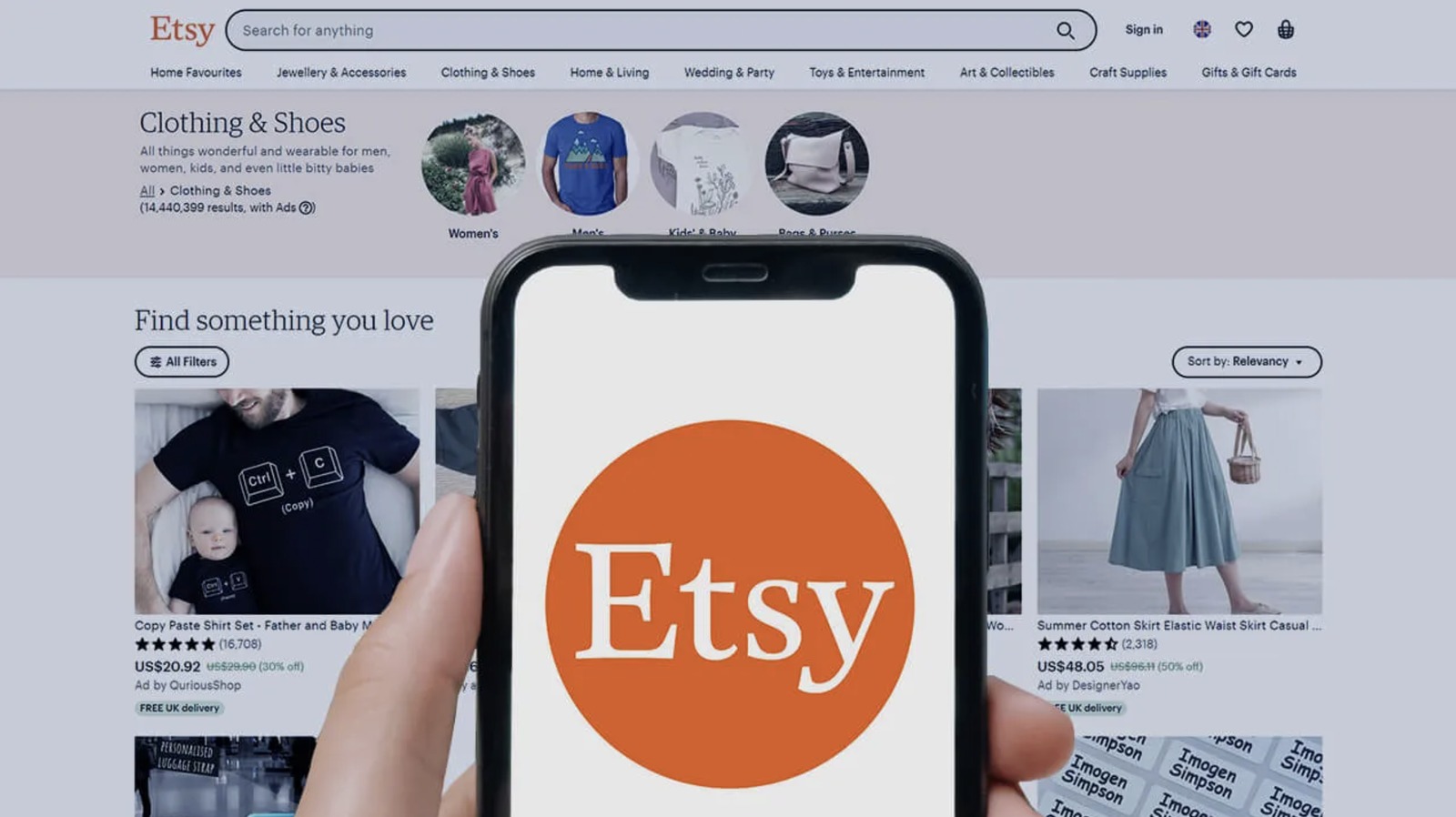
Etsy remains one of the strongest global marketplaces for vintage and handmade products with a loyal audience.
Vintage clothing, jewelry, home décor, artwork, and collectible items frequently command higher prices because Etsy attracts buyers specifically searching for unique inventory.
SellWild

SellWild is the closest thing on this list to OfferUp's model with shipping attached.
There are no listing fees, and SellWild takes 10% of the item price when something sells — capped at $500, so high-ticket items are not punished. Buyers pay shipping by default and SellWild supplies the label, so you are not arranging parking-lot meetups for a $900 sofa.
Where it differs from everything else here is how buyers find you. Rather than waiting for someone to search, SellWild distributes listings across publisher sites like Motor1 and Spin, so an item can turn up next to an article someone was already reading.
Categories run well past fashion:
- Vehicles
- Tools
- Home & Garden
- Art & Collectibles
- Kids & Baby
- Pets
Best for: sellers who like OfferUp's breadth of categories but are tired of no-shows.
Niche Selling Apps (Safer Alternatives for High-Value Items)
General marketplaces are not always the best solution for specialized inventory. Certain categories benefit from platforms designed specifically for those products.
Vestiaire Collective (For Designer and Luxury Fashion)
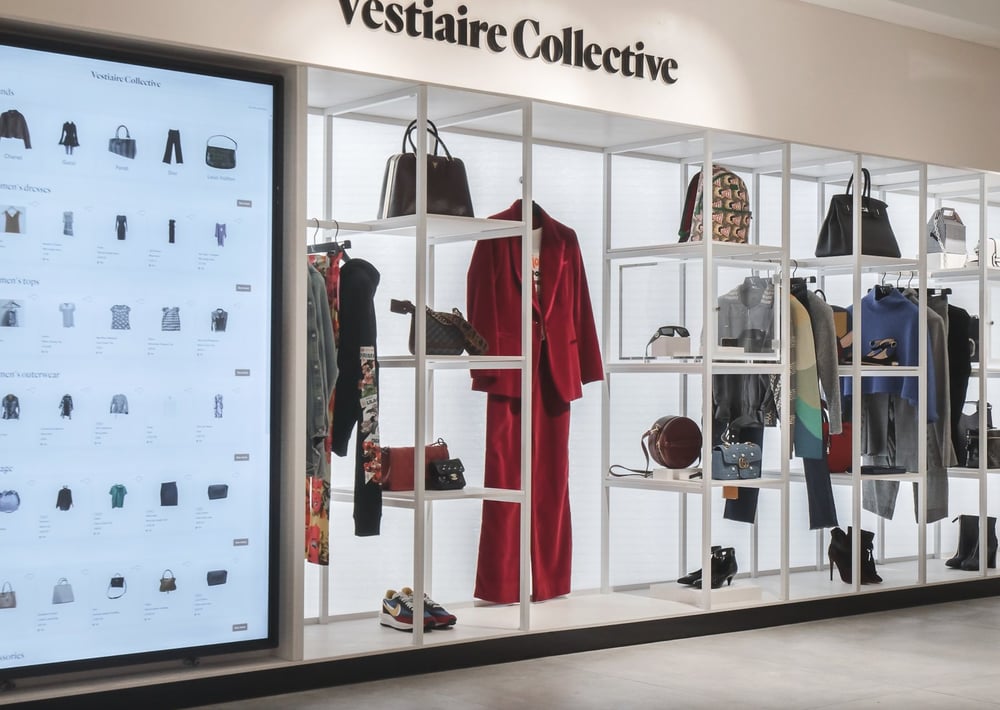
If you're selling luxury handbags, designer clothing, shoes, or accessories, a general marketplace like OfferUp is rarely the best choice.
Vestiaire Collective specializes in pre-owned luxury fashion and authenticates eligible items before they reach buyers.
That added layer of trust helps reduce scams while giving sellers access to a global community specifically looking for premium brands. Buyers come to Vestiaire expecting luxury inventory, often resulting in stronger prices than general marketplaces.
Vestiaire Collective is an excellent choice for brands such as Louis Vuitton, Chanel, Gucci, Prada, Hermès, Saint Laurent, Dior, and other high-end designers.
Swappa (For Electronics)
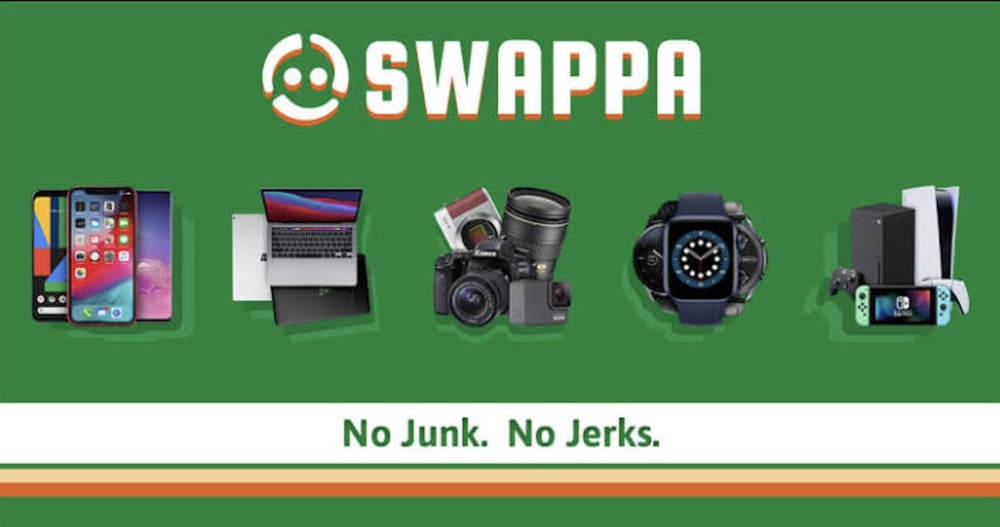
Selling electronics locally can be risky.
High-value devices such as smartphones, tablets, laptops, and gaming systems attract scammers on virtually every local marketplace. Swappa reduces that risk by reviewing listings and verifying device information before products go live.
For electronics, it remains one of the safest alternatives available.
Poshmark (For Fashion)
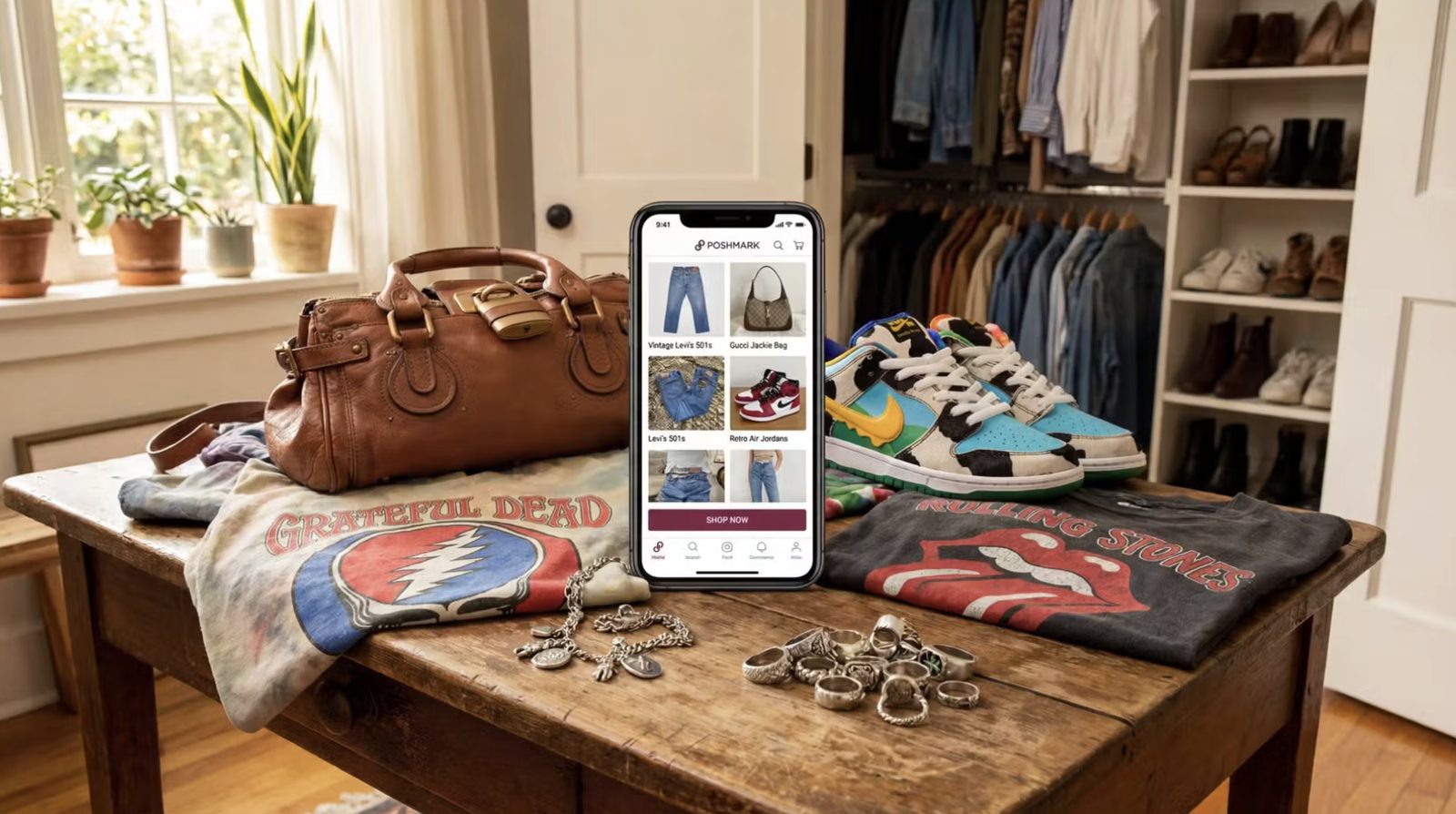
Poshmark was built specifically for apparel, handbags, shoes, and accessories. Sellers benefit from a fashion-focused audience, simple shipping, and buyers who are actively shopping for clothing rather than general merchandise.
Reverb (For Musical Instruments)
Musicians searching for instruments often skip general marketplaces entirely and head directly to Reverb.
The platform specializes in guitars, pedals, keyboards, recording equipment, and other musical gear. Sellers gain access to buyers who understand the value of specialized equipment, often resulting in stronger prices and faster sales.
Multimarketplace Selling: Expanding Beyond Local Sales With Vendoo

As your resale business grows, relying solely on local meetups becomes increasingly time-consuming. Vendoo helps sellers organize inventory, track sales, and expand beyond local marketplaces without losing control of their business.
Graduating From the Local Grind
Local selling is convenient when you're moving a few items each month, but coordinating meetups, answering repetitive questions, and dealing with no-shows quickly becomes exhausting.
Many sellers eventually begin shifting inventory onto national marketplaces like eBay, Mercari, Poshmark, Etsy, Depop, and Vestiaire Collective. Vendoo helps bridge that transition by allowing sellers to manage inventory across multiple marketplaces from a single dashboard.
Tracking Cash vs. Shipped Sales
One of the biggest challenges for hybrid sellers is bookkeeping. When an item sells locally on Facebook Marketplace, Craigslist, or OfferUp, sellers can manually mark it as sold within Vendoo. This creates a complete record of cash transactions alongside online sales and helps maintain accurate inventory tracking.
Auto-Delisting the Scams Away
Imagine listing a laptop locally on Facebook Marketplace while also crosslisting it to eBay. If the item sells online, Vendoo's Sale Detection automatically removes the remaining listings. This prevents duplicate sales and eliminates unnecessary messages from local buyers after the item is already gone. For high-value items, this can be a significant safety advantage.
Margin Analytics
Many sellers assume local cash sales are always the most profitable option. That is not necessarily true. Vendoo's profit calculator helps sellers compare actual earnings after marketplace fees, shipping costs, and other expenses. The data often reveals surprising insights about which marketplaces produce the strongest margins for specific categories.
Sites Like OfferUp: The Best Selling Strategy in 2026
OfferUp remains a solid marketplace, but relying on it alone can limit your audience and expose you to the frustrations of local selling.
The strongest strategy in 2026 combines free local platforms like Facebook Marketplace, Craigslist, and Nextdoor with nationwide marketplaces like eBay, Mercari, Depop, Etsy, and category-specific platforms like Vestiaire Collective.
As your business grows, managing inventory across multiple platforms becomes increasingly important.
A hybrid approach helps maximize visibility, increase profits, and reduce dependence on any single marketplace.
If you're ready to expand beyond local selling, start a 14-day Vendoo free trial and manage your local and nationwide inventory like a professional reseller.