

Instagram Live selling turns passive scrolling into real-time shopping. Instead of static product photos and captions, sellers go live to showcase items, answer questions on the spot, and create urgency that drives instant purchases. As part of the growing shift toward interactive, video-first commerce across platforms like Instagram, TikTok, and Facebook, Live selling allows creators and resellers to leverage trust, personality, and community to convert viewers into buyers in the moment.
Instagram Live sales, story sales, and auction-style posts have become popular because they build trust, urgency, and engagement in ways traditional listings can’t. In this guide, we explain how Instagram live selling works, why it’s effective for resellers, and how you can use your social media presence to turn viewers into customers.
💡Tip: Looking to learn how to sell directly on an official Instagram, Facebook, or Tiktok Store? Check out this article.
Here is what you need to know about how to sell on Instagram 👀
What is Live Selling?
Live selling is a social, real-time approach to selling that focuses on interaction, engagement, and relationship-building with buyers. When this type of selling takes place on social media platforms like Instagram, it is often referred to as social selling.
One of the biggest advantages of live selling is how engaging it is. Sellers can connect directly with their audience, answer questions in real time, and build trust that leads to repeat customers. Live selling can also reduce much of the traditional reselling workload, since sellers are not required to photograph items individually, write detailed product descriptions, manage listing fields, or wait for sales to happen over time.
That said, live selling requires strong planning and organization. Preparing inventory in advance, running a smooth broadcast, and promoting the event effectively can be time-consuming. Success depends on careful preparation, consistency, and the ability to manage both the technical and administrative sides of selling live.
How to Prepare for an Instagram Live Sale
-
Set a date and time for your live.
Choose a time when your audience is most active and stick to it. Consistency helps train buyers to show up regularly. -
Select and organize your inventory.
Pull the items you plan to sell and arrange them in the order you will show them on camera. Make sure they're cleaned and looking their best. Add tags, prices, and any notes you need, so you are not scrambling during the live. -
Decide how buyers will claim items.
Before going live, determine how buyers will claim products, such as commenting a keyword or item number. Make sure you explain this clearly at the beginning of your live.💡 Tip: You can also type a comment with this information and "pin it" to your comment section so it is visible to newcomers as you're live.
-
Set up your payment and tracking process.
Have a system ready to track claims, collect payments, and record buyer information. Many sellers use spreadsheets, invoicing tools, or payment apps to stay organized. -
Promote your live sale in advance.
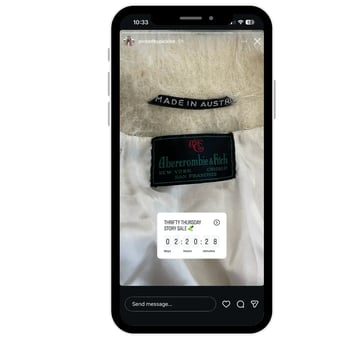
Use posts, stories, countdown stickers, and reminders to let followers know when your live sale is happening. Promotion is key to getting buyers to show up. Do not be afraid to "boost" your post with an ad budget to reach more people.💡 Tip: If you set a countdown in your stories, viewers who sign up are notified as you go live (even if they don't follow you).
-
Prepare your shipping workflow.
Have shipping supplies ready and a plan for packing and shipping orders once the live ends. Clear organization helps prevent mistakes and delays.
With Instagram live selling, effort directly impacts results. The more time you spend planning and promoting your live, the more successful it is likely to be.
Live selling on Instagram is not for everyone, but for sellers who enjoy engaging with an audience and want a faster, more interactive way to sell, it can be both fun and highly profitable.
How Do Live Sellers Collect Payments?
When you sell socially, you are responsible for accepting payments, and the accounting can be quite tedious. Unlike marketplace platforms that automate checkout, social selling requires you to manually track claims, match buyers to items, request payment, and confirm that each transaction is completed correctly. Organization is critical, especially during busy lives with multiple buyers claiming items at once.
Most commonly, Instagram sellers accept payments via PayPal, Zelle, or Venmo business. These platforms are familiar to buyers and allow for quick transfers, which helps keep momentum going after a live sale ends. Make sure you're using a payment processor that buyers trust and that offers seller protection. If you use an unprotected forum, you have virtually no recourse in the event of fraud or scam, including charge disputes or unpaid claims.
💡 Tip: Add your accepted payment methods to your social media bio or LinkTree. Then, you always have them readily available to buyers, which reduces friction and speeds up the checkout process.
Make sure that you are using a reputable service for your transactions. A reliable payment processor not only protects you financially but also signals professionalism and trustworthiness to buyers who may be purchasing from you for the first time.
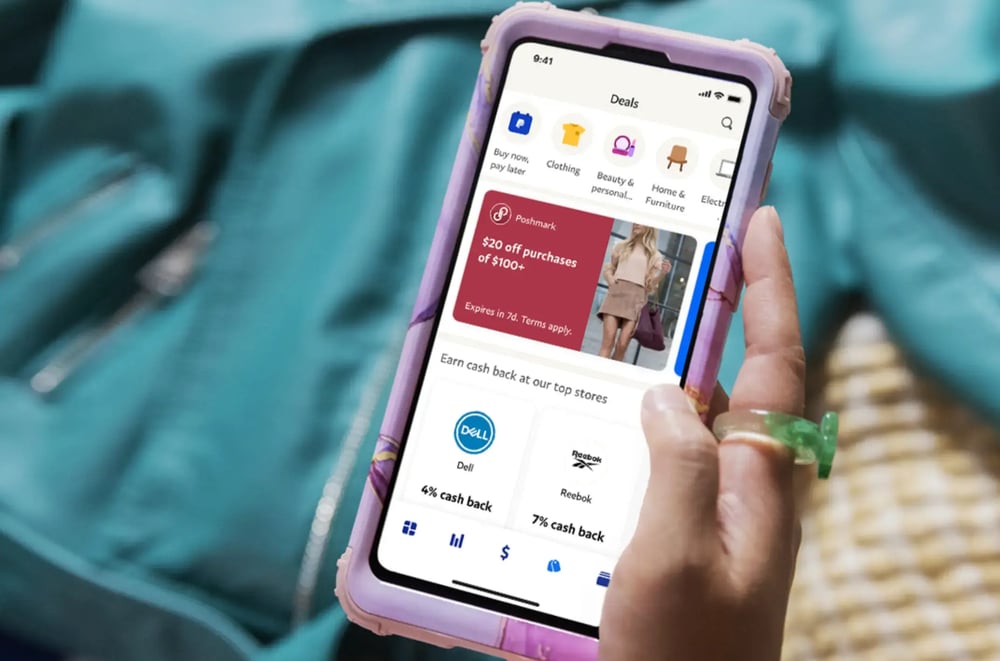
Photo Source: PayPal
PayPal has an easy-to-use interface that will allow you to send invoices to buyers via email. I highly recommend using PayPal for social selling as you can quickly send invoices, itemize the purchase, and charge appropriate sales taxes based on location. This level of detail helps avoid confusion and provides a clear paper trail for both parties.
While you will incur PayPal fees for using PayPal, you also receive buyer and seller protection, which is a significant advantage for social sellers. Unlike other payment apps, PayPal is a legitimate platform and among the simplest to use for managing multiple transactions at once.
Often, buyers have a PayPal account, so the checkout process is quick, and their shipping information is easily accessible to you. This can significantly reduce follow-up messages and administrative work.
In other instances, you will have to collect shipping information from buyers via message, which can get tedious and confusing, especially when managing multiple orders. Having a consistent system for collecting and confirming buyer details can help prevent errors and streamline fulfillment after your live sale ends.

How Do Live Sellers Ship Orders?
Shipping is significantly easier when you sell through an official marketplace. Platforms with built-in shipping provide pre-paid labels and automated tracking, which removes much of the manual work. When you sell independently through social media, you do not have access to these tools. Instead, you are responsible for shipping orders yourself. While self-shipping is not difficult, it does require planning and a clear understanding of your costs so you can price items accurately.
Shipping costs can add up quickly. If you choose to offer free shipping, be sure that the cost is built into your item prices so you are not absorbing the expense unexpectedly. If you charge for shipping, it is important to communicate estimated costs clearly during your live sale. When buyers understand what they will pay upfront, they are less likely to back out after claiming an item, which helps prevent unpaid or abandoned orders.
Most social sellers rely on self-shipping discount services such as Pirate Ship, or Shippo, and Sendle. These services provide access to discounted shipping rates and multiple carrier options, including USPS, FedEx, and UPS. In many cases, Pirate Ship offers the lowest rates, particularly for USPS shipments. Sendle, however, allows for tiered pricing based on weight, which can make it easier to provide realistic shipping estimates without weighing and measuring every item in advance.
To learn more about self-shipping options, check out this comparison video I made showing how to use each service.
No matter which shipping service you use, make sure your packages are properly insured, tracking information is shared with buyers, and proof of shipment is retained for your records. These steps protect both you and your customers and help resolve disputes if issues arise.
As a social seller, you are also responsible for all customer service related to shipping. If a package is lost or damaged, it is your responsibility to work directly with the carrier to resolve the issue. Clear communication, accurate tracking, and proper documentation are essential for maintaining trust and providing a positive buying experience.
Social Selling on Instagram
Instagram social selling typically falls into three main categories: feed posts, story sales, and live sales. Many successful sellers use a combination of all three to maximize visibility and sales opportunities.
With so many ways to sell, Instagram is one of the most flexible platforms for sellers who want to connect directly with buyers. Unlike traditional marketplaces, Instagram does not provide built-in checkout or shipping tools, but it does allow sellers to choose how they sell, how they interact with customers, and how much they spend on fees. Whether you prefer low-effort passive selling or highly interactive real-time sales, Instagram gives you several formats to work with, all within one platform.
Selling Through Instagram Feed Posts
Instagram feed posts function similarly to traditional product listings. Sellers post a photo or carousel of photos featuring an item for sale, along with a caption that includes pricing, size details, condition, and instructions on how to purchase. Feed posts work best for sellers who already have an established following, as posts rely heavily on visibility within followers’ feeds. Using a public account, relevant hashtags, and engaging captions can help extend reach beyond your existing audience. Feed posts are ideal for slower-paced selling and items that benefit from detailed photos and descriptions.
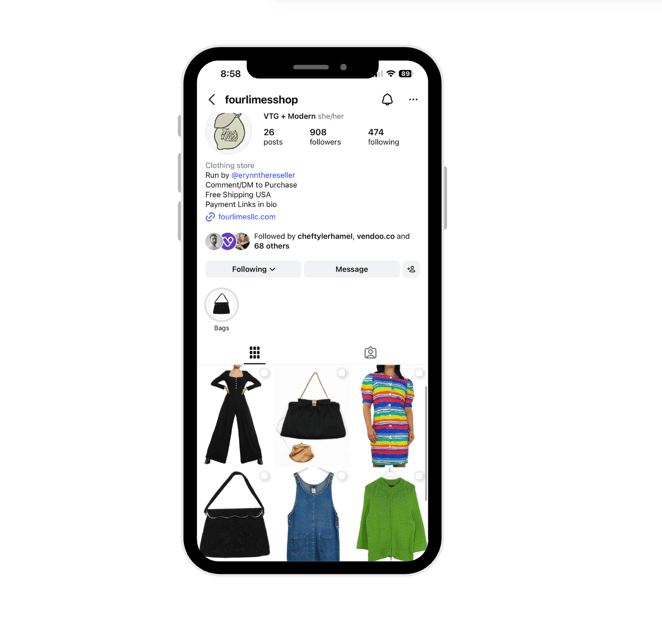 For an example of selling on Instagram through feed posts, check out @FourLimesShop.
Instagram Story Sales
Story sales are one of the most popular and accessible forms of social selling on Instagram. These sales take place entirely within Instagram Stories and are typically more casual and fast-moving than feed posts. Most story sales begin with an informational slide that outlines payment methods, shipping policies, and instructions for claiming items. Sellers then post photos or short videos of each item, usually with the price and a brief description. Some sellers also include links that direct buyers to existing listings on resale platforms. Story sales are highly interactive and allow sellers to sell spontaneously or on a set schedule, but they require close attention to direct messages and quick responses since stories expire after 24 hours.
💡 Tip: You can host a spontaneous story sale at any time by posting a photo of an item to your story and using the link feature to direct viewers to a listing or checkout page.
Instagram Live Sales
Instagram live sales are the most interactive and dynamic way to sell on the platform. These sales use the “go live” feature to showcase items in real time while engaging directly with viewers. Buyers typically claim items through comments, and sellers track claims manually during the broadcast. Live sales usually require more preparation than feed posts or story sales. Sellers must organize inventory in advance, explain rules clearly, monitor comments closely, and keep the energy high throughout the live. While live selling can feel intimidating at first, it often leads to faster sales, stronger buyer relationships, and repeat customers.
💡 Tip: If you are nervous about hosting a live sale, try starting with a live thrift haul. Show your recent finds without selling pressure. Viewers often ask to purchase items organically, and you can later share the replay to your feed for additional engagement.
Instagram social selling offers flexibility, creativity, and direct buyer connection, but it also requires consistency and effort. Successful sellers often combine feed posts, story sales, and live sales to build momentum, grow an audience, and create multiple opportunities to convert viewers into buyers.
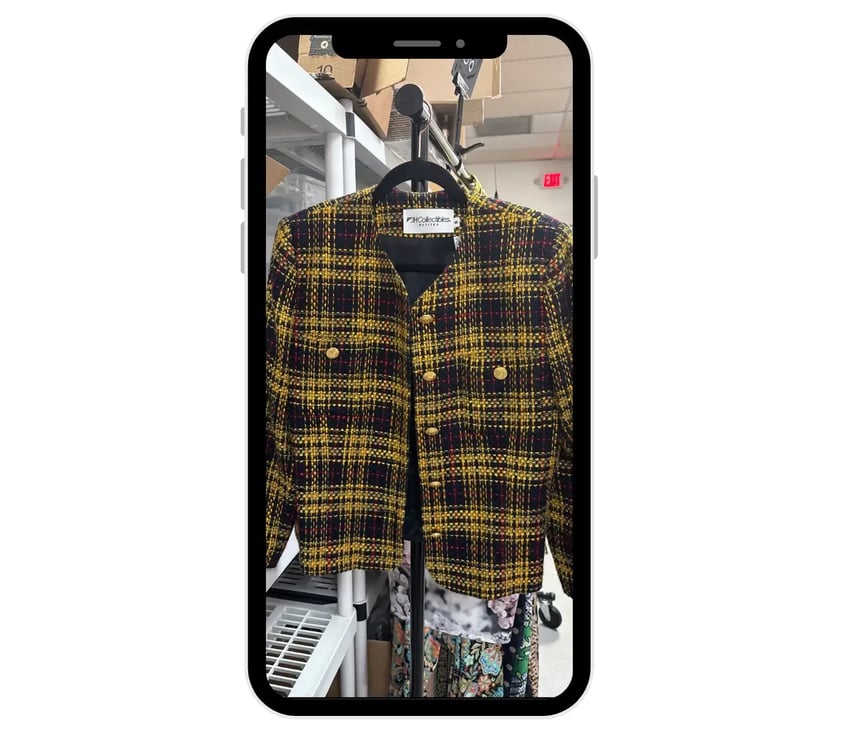
Snapshot from a live sale by @LynnsclosetLLC.
Behind the Scenes With an Instagram Live Seller
Lynn, @LynnsClosetLLC, hosts frequent live sales and usually sells out! Her lives are genuinely entertaining to watch, and her competitive pricing attracts both everyday shoppers and fellow resellers looking to flip items for profit.
Lynn does not rely heavily on paid advertising. Instead, her engaging personality, well-curated inventory, and funny daily reels have helped her grow a loyal audience that consistently shows up to support her live sales and convert into repeat customers. She keeps her shows interactive and fun, and she regularly offers giveaways, with each purchase counting as an entry to win, which further boosts engagement and excitement.
Lynn explains that social selling offers several major advantages, including the ability to sell items quickly, skip the traditional listing process, and build meaningful, long-term relationships with buyers. While her lives may appear effortless and polished, she is very open about the level of preparation and organization required to run a successful live sale.
Before each show, Lynn carefully organizes, prepares, and numbers every item she plans to sell. She often creates notes in advance so she can quickly share details like sizing, fabric, fit, and styling tips while presenting each piece in its best possible light.
This preparation allows her to stay confident on camera while maintaining a smooth, professional flow. At the same time, she makes a point to acknowledge viewers, respond to comments, and create a welcoming environment that keeps people engaged and coming back.
Behind the scenes, social selling involves a significant amount of work. While it may require less time than listing items across multiple platforms, it still demands consistency, planning, and attention to detail.
One major benefit is avoiding marketplace fees, which can have a noticeable impact on profit margins. To succeed as a social seller, having a following is extremely helpful. As a result, many Instagram sellers invest heavily in content creation, community engagement, promotion, and consistency. Building and retaining an audience is essential, as long-term success on Instagram depends on trust, visibility, and ongoing connection with buyers.
To learn more about live selling on other marketplaces, check out the Vendoo Marketplace Guide!
Tips for Live Sellers
Successful Instagram Live selling comes down to preparation, organization, and audience engagement, and these practical tips will help you run smoother lives and convert more viewers into buyers.
-
Plan your inventory ahead of time. Pull, organize, and price items before you go live so you can move smoothly without scrambling.
-
Number your items clearly. Assign each item a number and have buyers claim by commenting the number. This reduces confusion and speeds up checkout.
-
Explain the rules at the start of your live. State how to claim items, accepted payment methods, shipping costs, and when invoices will be sent. Also, pin a comment with this information.
-
Use a reliable tracking system. Track claims, payments, and buyer information in real time using a spreadsheet or notes to avoid missed or duplicate sales.
-
Record your live sale. Saved lives help you resolve disputes, review performance, and repurpose content for future promotion.
-
Engage constantly with viewers. Acknowledge names, welcome newcomers, answer questions, and respond to comments to keep energy high and buyers engaged.
-
Promote your live in advance. Use stories, posts, countdowns, and reminders so your audience knows when to show up.
-
Offer incentives. Giveaways, discounts, bundles, free shipping thresholds, or giveaways can increase attendance and conversions.
-
Check your internet and setup beforehand. Test your connection, lighting, camera angle, and sound before going live to avoid technical issues.
-
Have shipping supplies ready. Prepare packaging and labels in advance so fulfillment is fast once the live ends.
-
Follow up quickly after the live. Send invoices promptly and communicate clearly so buyers stay excited and complete checkout.
How to Sell Successfully on Instagram
Instagram Live selling is not just a trend. It is a powerful, relationship-driven way to sell that rewards consistency, authenticity, and preparation. Whether you start with feed posts, experiment with story sales, or go all in on live selling, Instagram gives you the flexibility to sell on your own terms while building a loyal customer base.
While social selling requires more hands-on work than traditional marketplaces, it also offers faster sales, stronger buyer relationships, and greater control over your brand and profits. If you are willing to show up consistently, stay organized, and engage with your audience, Instagram Live selling can become one of the most effective and enjoyable ways to grow your resale or small business.