

Vintage fashion continues to be one of the most profitable categories in online resale, but not every label performs equally. The best vintage brands to resell include Levi's, Ralph Lauren, Harley-Davidson, Gunne Sax, Diane von Furstenberg, and many iconic designer labels. These brands consistently attract collectors and fashion enthusiasts because of their quality, history, craftsmanship, and limited supply.
As buyers move away from fast fashion and mass-produced "vintage-inspired" clothing, authentic vintage continues to increase in demand across marketplaces like eBay, Etsy, Depop, Poshmark, Grailed, and Vestiaire Collective. Learning which brands buyers actively search for gives resellers a significant advantage when sourcing inventory.
Main Takeaways
- Brands: The best vintage brands to resell include Levi's, Ralph Lauren, Harley-Davidson, Gunne Sax, Guess, Disney, and more.
- Value: Brand recognition can increase visibility and resale value, but condition, rarity, era, and style are equally important when pricing vintage inventory.
- Definition: Authentic vintage clothing must be at least 20 years old, while garments that are 100 years old or older are considered antiques.
- Identification: Learning to identify vintage tags, construction techniques, fabrics, and union labels will help you source more profitable inventory.
- Listings: Detailed measurements, accurate dating, quality photography, and strong SEO listings help vintage items sell faster and reduce returns.
- Marketplaces: Selling across multiple marketplaces like eBay, Etsy, Depop, Poshmark, Grailed, and Vinted can increase exposure and improve sell-through rates.
What Qualifies as Vintage Clothing?
An item is considered vintage once it is at least 20 years old. Clothing that reaches 100 years old is generally considered antique.
Understanding this distinction helps sellers categorize inventory accurately, build buyer confidence, and comply with marketplace guidelines. It also prevents modern "vintage-inspired" pieces from being mistakenly marketed as authentic vintage.
🧠 Did you know that there is a huge global market for American Vintage made in the U.S.A.?
Why Vintage Clothing Is Trending and Profitable
Vintage remains one of the strongest resale categories because every authentic piece has a limited supply. Once a garment is gone, no factories are producing identical replacements.
Buyers are increasingly searching for better construction, natural fabrics, unique styles, sustainable fashion, and one-of-a-kind pieces.
Unlike fast fashion, authentic vintage offers originality that cannot be mass-produced.
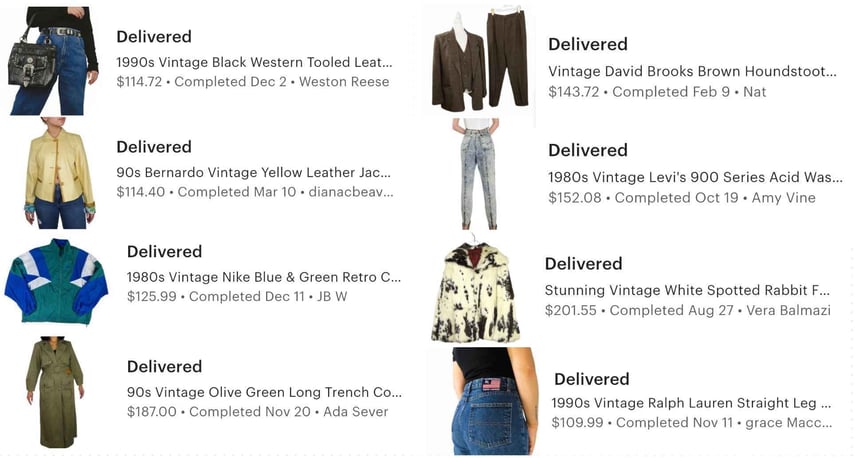
Check out these vintage fashion sales, all over $100, from FourLimesShop on Etsy.
Best Vintage Brands to Resell Online
While style, condition, and rarity always matter, some labels consistently outperform others because buyers actively search for them. Recognizable brands often receive more impressions, sell faster, and command higher prices than comparable unbranded pieces.
💡Tip: When a vintage piece is a popular brand, enter the actual brand in the brand field. When the piece is an obscure, unpopular brand, enter "Vintage" (Poshmark, eBay, Grailed, Etsy, Vinted) or "American Vintage" (Depop, Mercari).
| Vintage Brand | Best Items to Resell | Resale Demand |
|---|---|---|
| LEVI'S | Big E, Orange Tab, 501s, 505s, 517s, selvedge denim | Very High |
| Ralph Lauren | Sweaters, rugby shirts, denim, western wear | Very High |
| Gunne Sax | Prairie dresses, lace dresses, Jessica McClintock designs | Very High |
| COOGI | Colorful knit sweaters, cardigans | Very High |
| Harley-Davidson | Single stitch graphic tees, sweatshirts, biker apparel | Very High |
| Diane von Furstenberg | Wrap dresses, silk prints | High |
| Guess | Denim, logo pieces, corset tops | High |
| Lee | Vintage denim, jackets, workwear | High |
| Wrangler | Western denim, jackets, cowboy apparel | High |
| Disney | Graphic tees, sweatshirts, park merchandise | Very High |
| Designer | Chanel, Louis Vuitton, Yves Saint Laurent, Versace, Gucci, Christian Dior, Jean Paul Gaultier, Comme des Garçons, Hermès, Prada, Celine, Fendi, Balenciaga, Burberry, Oscar de la Renta, Valentino, and other luxury fashion houses | Luxury |
| Carhartt | Detroit jackets, chore coats, double knee pants, workwear | High |
| Pendleton | Wool shirts, blankets, jackets, skirts | High |
| Woolrich | Wool jackets, flannels, outdoor apparel | High |
| Sportswear | Nike, Adidas, Reebok, Puma vintage athletic wear, track jackets, sweatshirts, graphic tees | High |
| Laura Ashley | Floral dresses, cottagecore styles, Made in UK pieces | High |
| St. John | Knit jackets, skirt suits, Santana knit separates | High |
| Liz Claiborne | 1980s and 1990s blazers, dresses, colorful separates | Medium-High |
| Coach | Leather handbags, legacy styles, made-in-USA bags | High |
| Jantzen | Swimwear, knitwear, vintage sportswear | Medium-High |
| Catalina | Vintage swimwear, knit tops, resort wear | Medium-High |
The Most Profitable Vintage Brands to Resell
1. Levi's
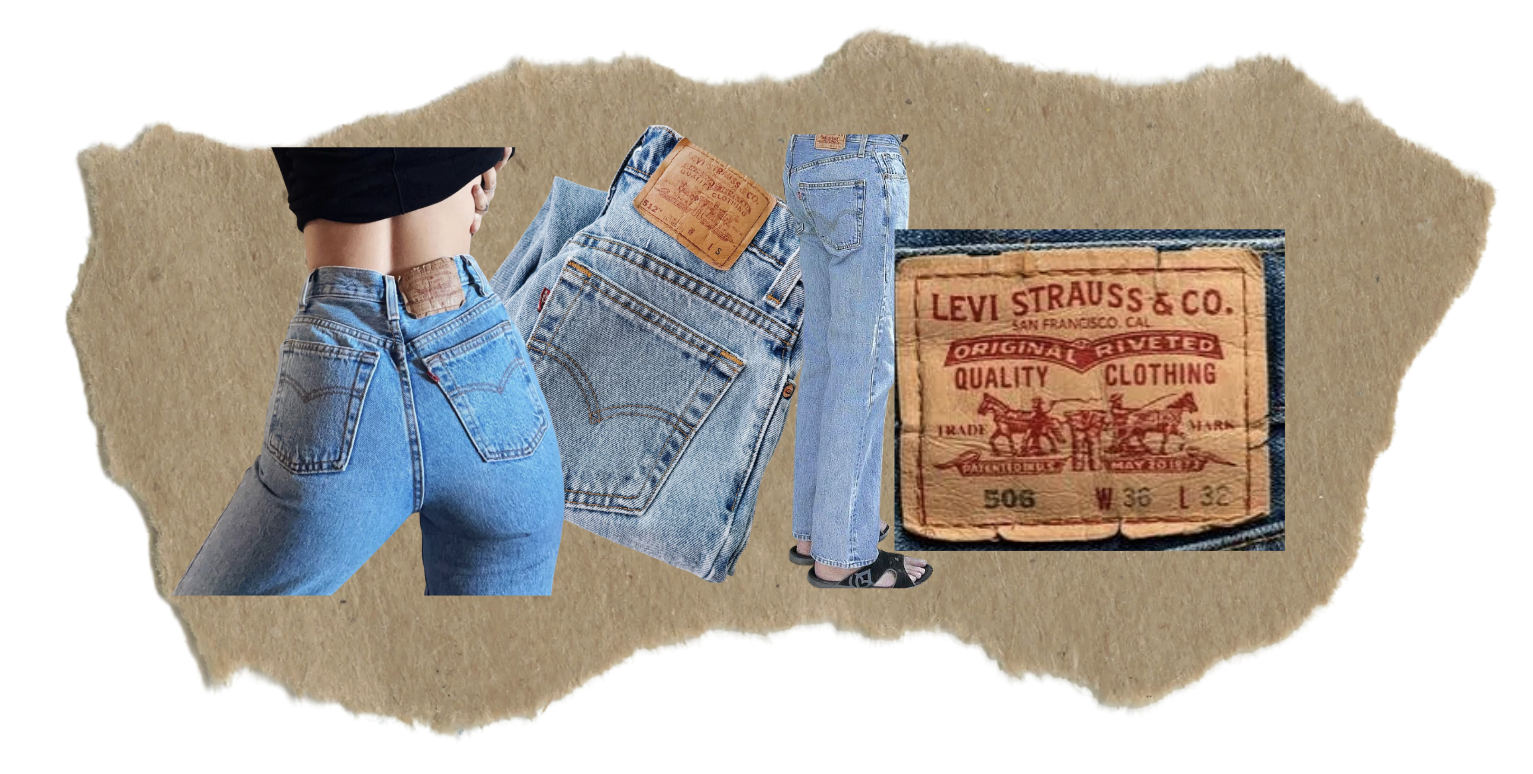 Vintage Levi's remains one of the strongest resale brands on the market. Collectors actively seek Big E tags, Orange Tabs, selvedge denim, and made-in-USA production. Classic styles like the 501, 505, and 517 consistently sell well because of their timeless appeal and strong collector demand.
💡Tip: List any vintage Levi's with a waist 36" or below as unisex or double-list in both men's and women's categories.
2. Vintage Designer Brands
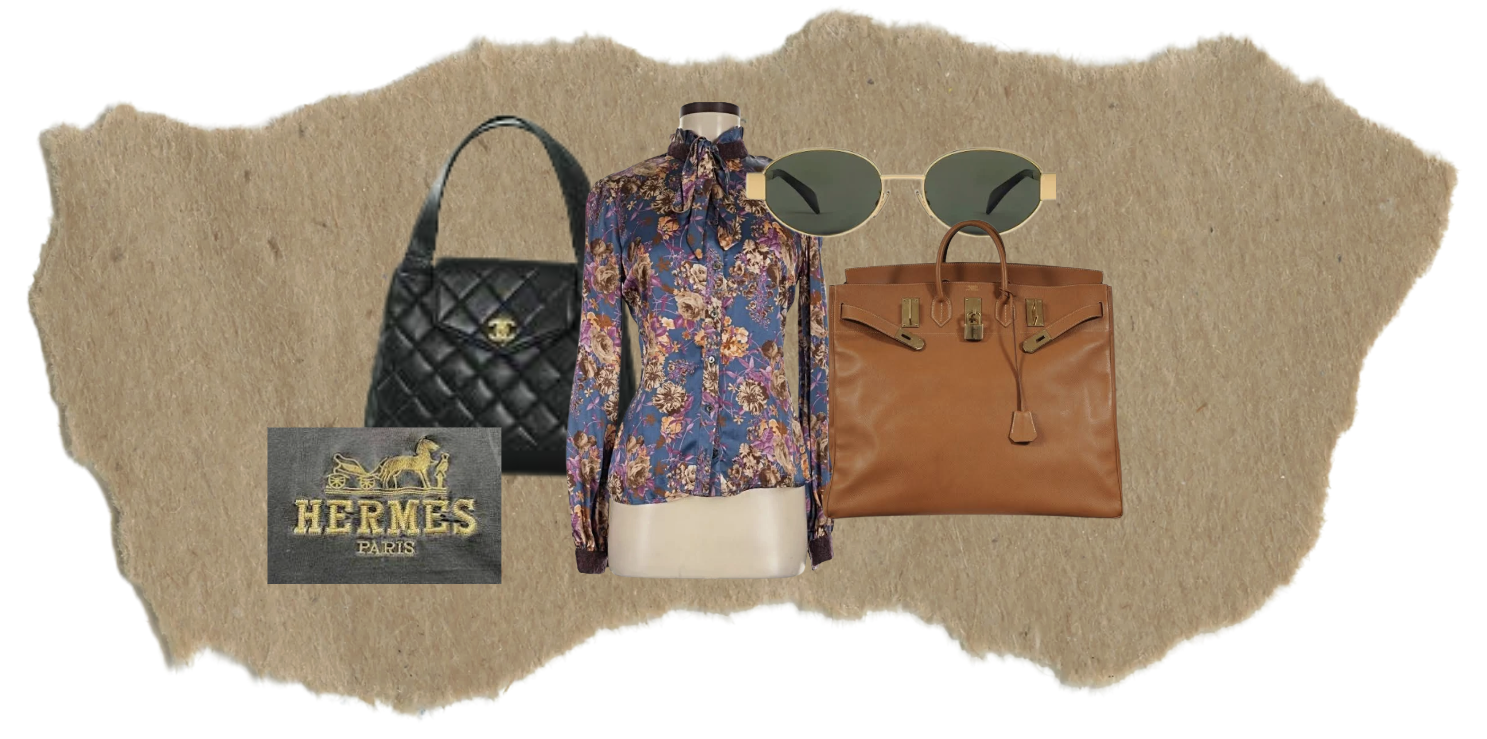
Luxury vintage continues to command some of the highest resale prices when authenticated and properly presented. Buyers actively search for designers such as Chanel, Louis Vuitton, Yves Saint Laurent, Versace, Gucci, Christian Dior, Jean Paul Gaultier, Comme des Garçons, Hermès, Prada, Celine, Fendi, Balenciaga, Burberry, Oscar de la Renta, Valentino, and many other iconic fashion houses. Limited production, exceptional craftsmanship, and enduring brand recognition make designer vintage especially collectible.
💡Tip: Vestiaire Collective authenticates listings with photographs prior to publishing them.
3. Vintage Sportswear
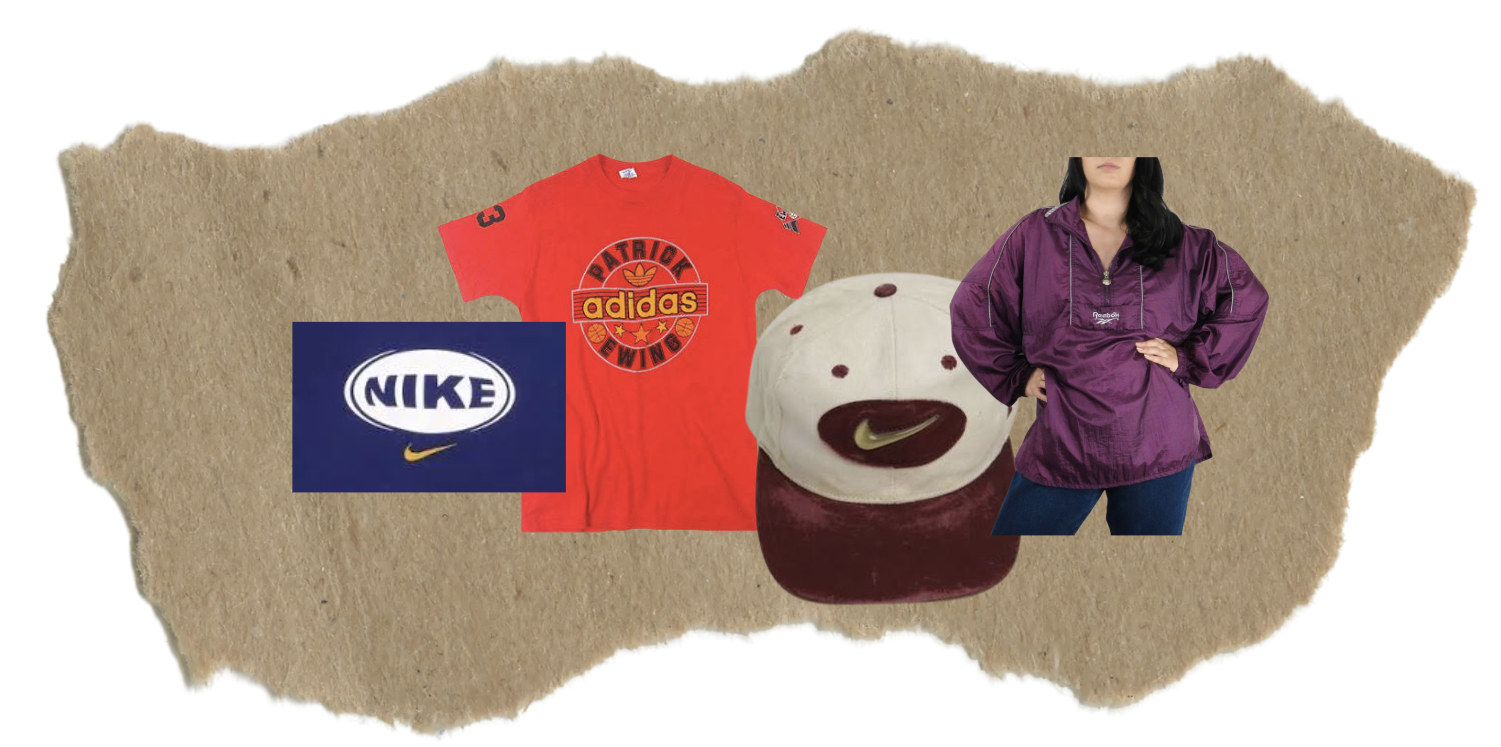 Brands like Nike, Adidas, Reebok, and Puma continue to benefit from the popularity of retro athletic fashion. Vintage track jackets, graphic sweatshirts, windbreakers, sneakers, and logo t-shirts from the 1980s through early 2000s regularly perform well online.
4. Ralph Lauren
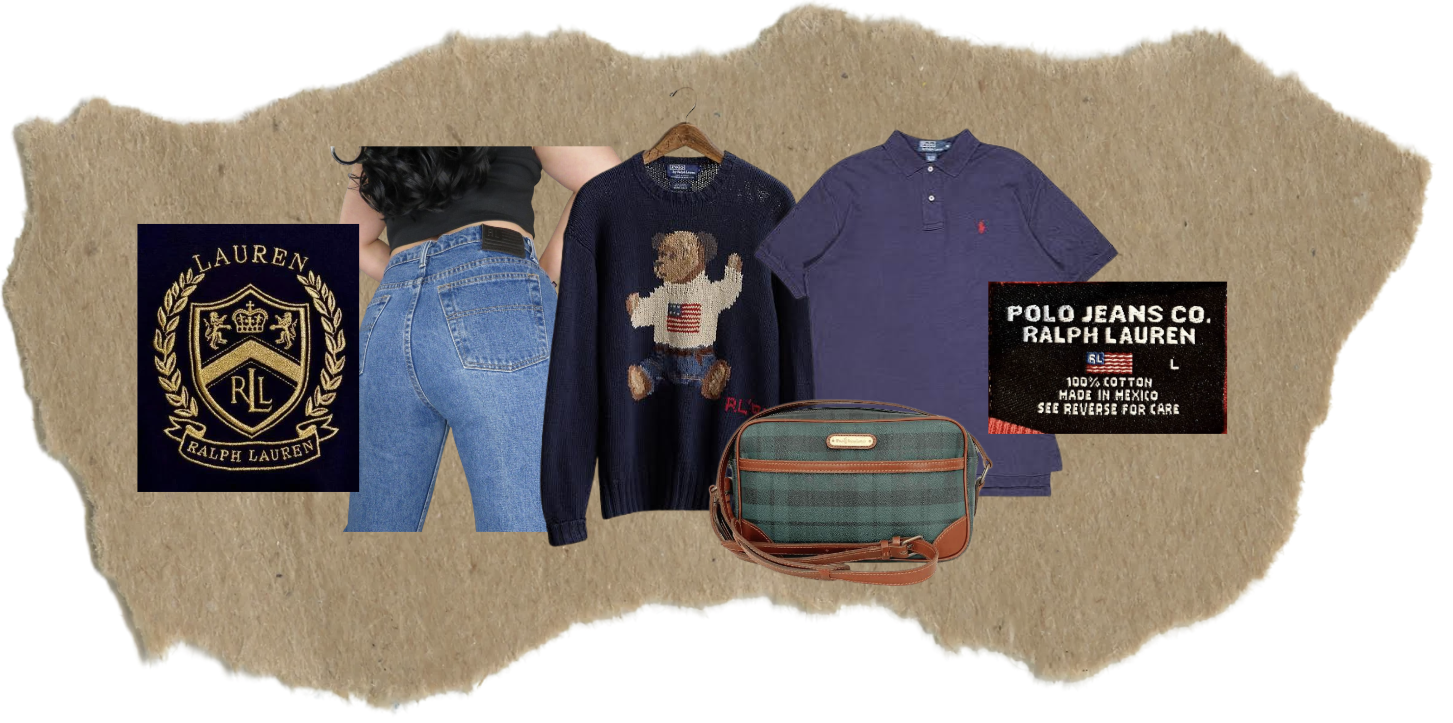
Vintage Ralph Lauren (and all of its subbrands such as Polo, Lauren, etc.) appeals to prep, western, streetwear, and heritage fashion buyers alike. Cable-knit sweaters, rugby shirts, denim, western shirts, and equestrian-inspired pieces remain among the brand's strongest performers across resale marketplaces.
💡Tip: I list all Ralph Lauren (except their luxury Black Label) as "Ralph Lauren," to help find more buyers. Many buyers do not know about the dozens of lines and simply type in "Ralph Lauren."
5. Gunne Sax
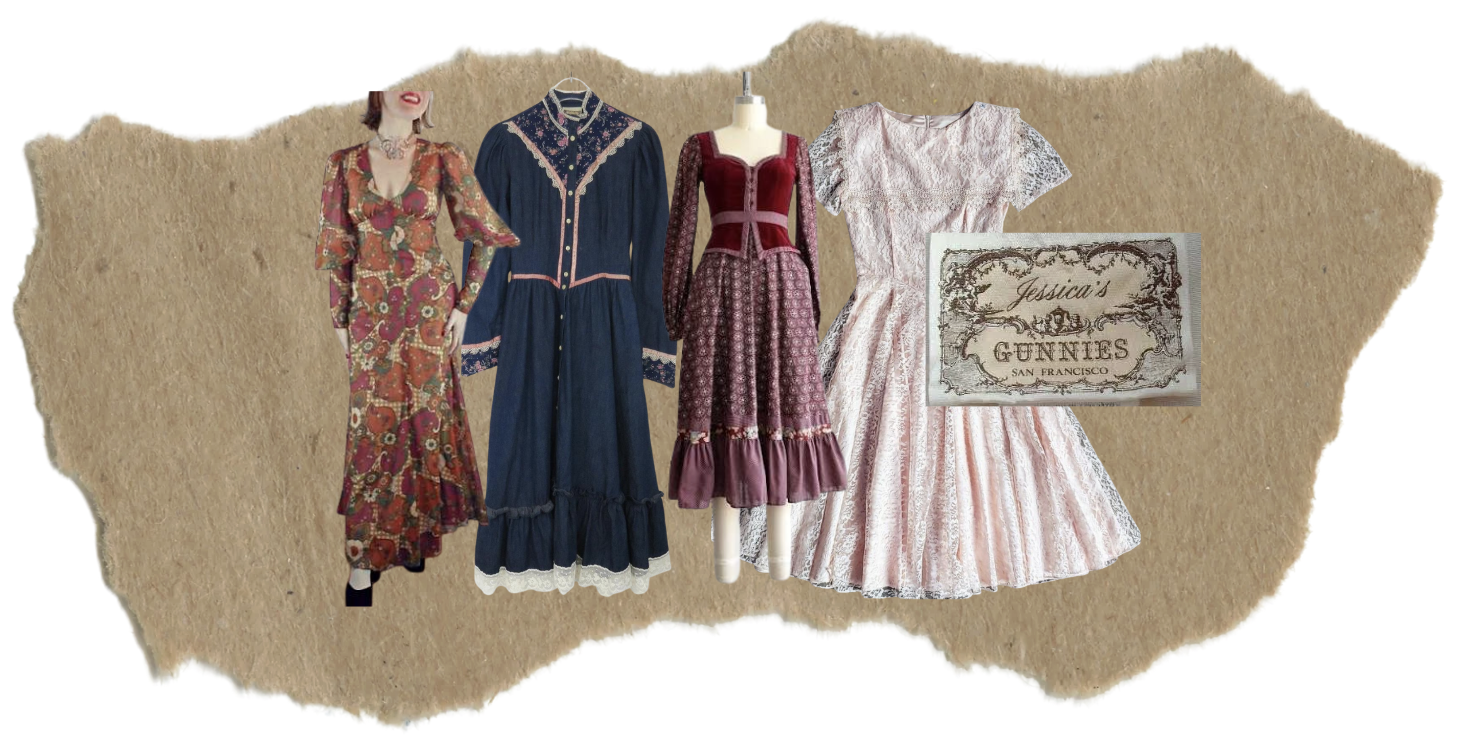
Gunne Sax by Jessica McClintock is one of the most recognizable names in vintage fashion. Prairie dresses featuring lace, corset bodices, puff sleeves, and tiered skirts are highly collectible and continue to benefit from the popularity of cottagecore and romantic fashion.
6. COOGI
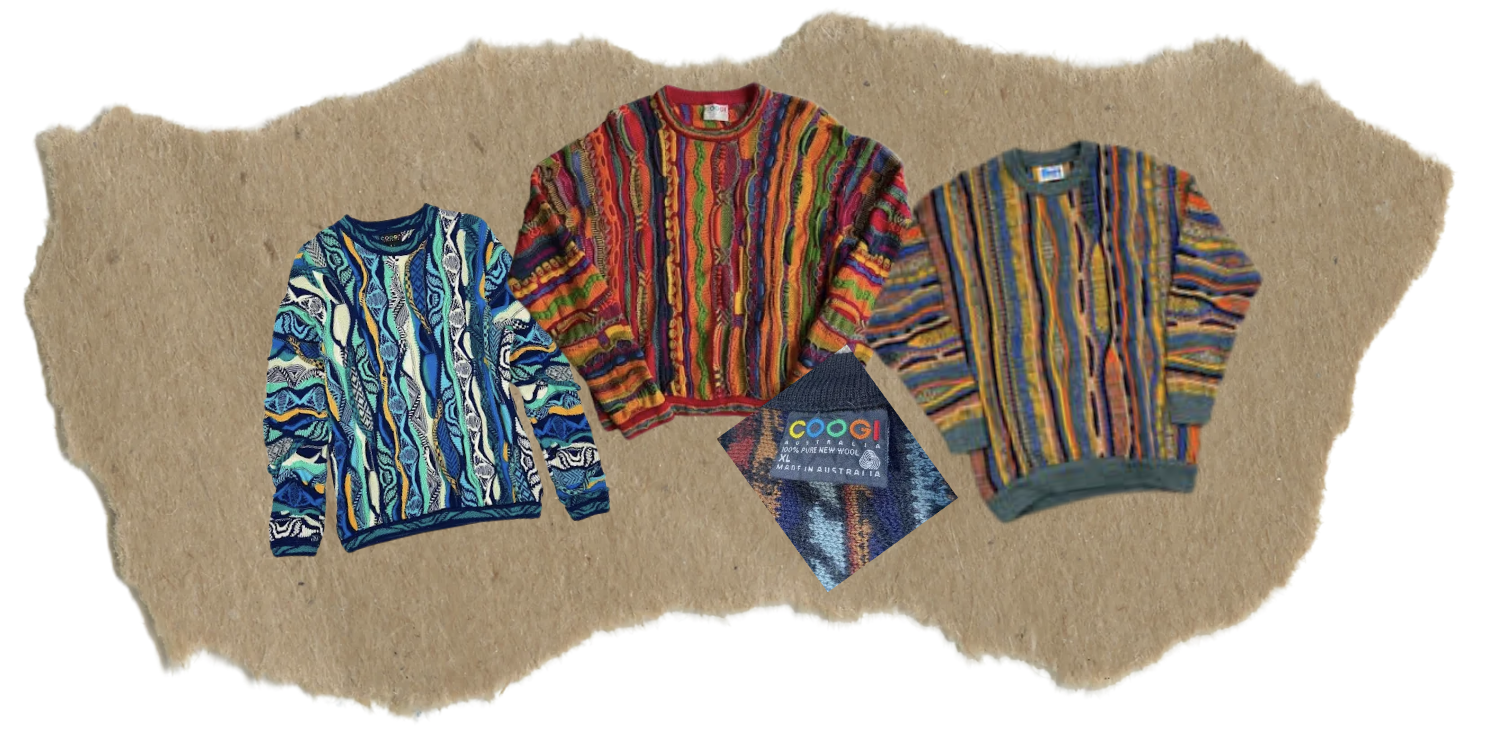
COOGI became famous for its colorful textured knit sweaters, many of which were popularized by hip-hop culture during the 1990s. Authentic Australian-made sweaters are especially desirable and often command premium resale prices.
7. Harley-Davidson
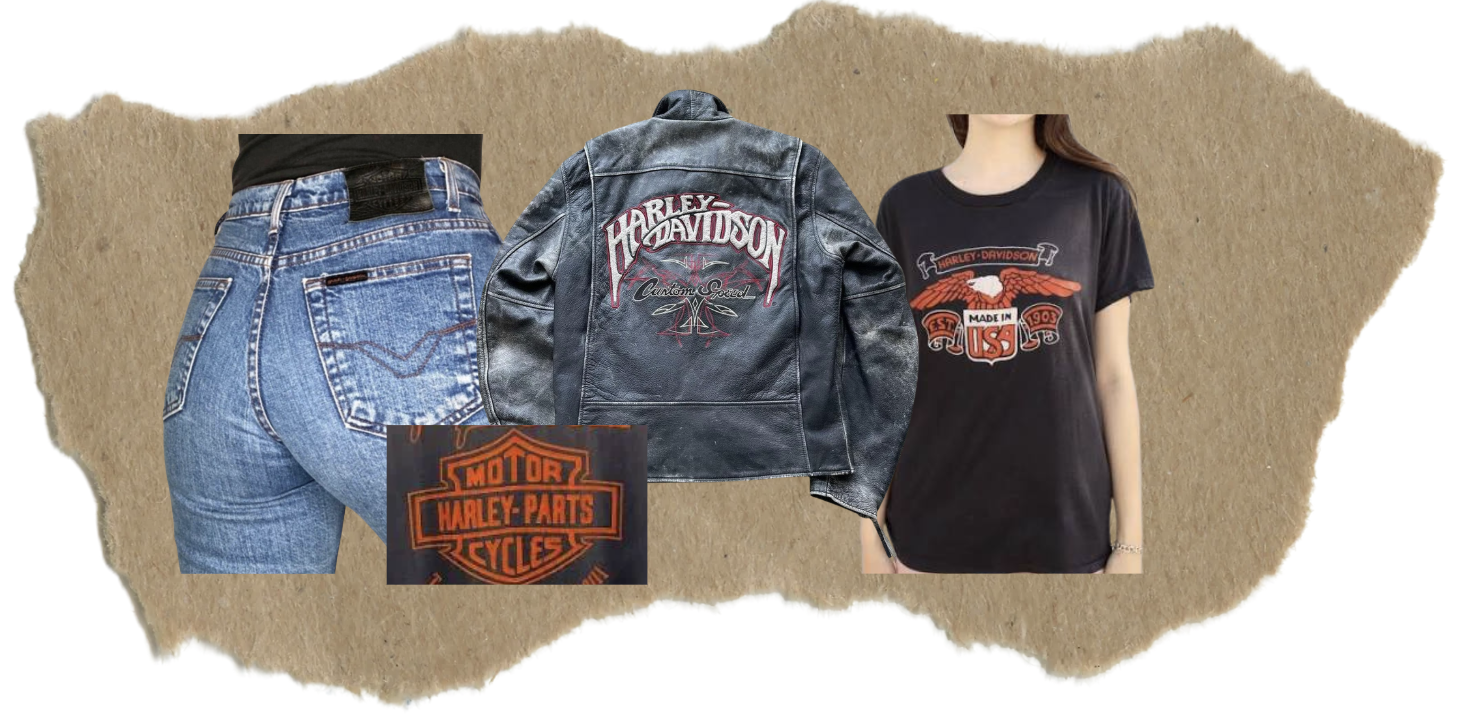
Vintage Harley-Davidson apparel consistently ranks among the best-selling graphic clothing online. Single stitch t-shirts, regional dealership graphics, faded prints, and oversized sweatshirts are especially sought after by collectors and motorcycle enthusiasts.
8. Diane von Furstenberg (DVF)
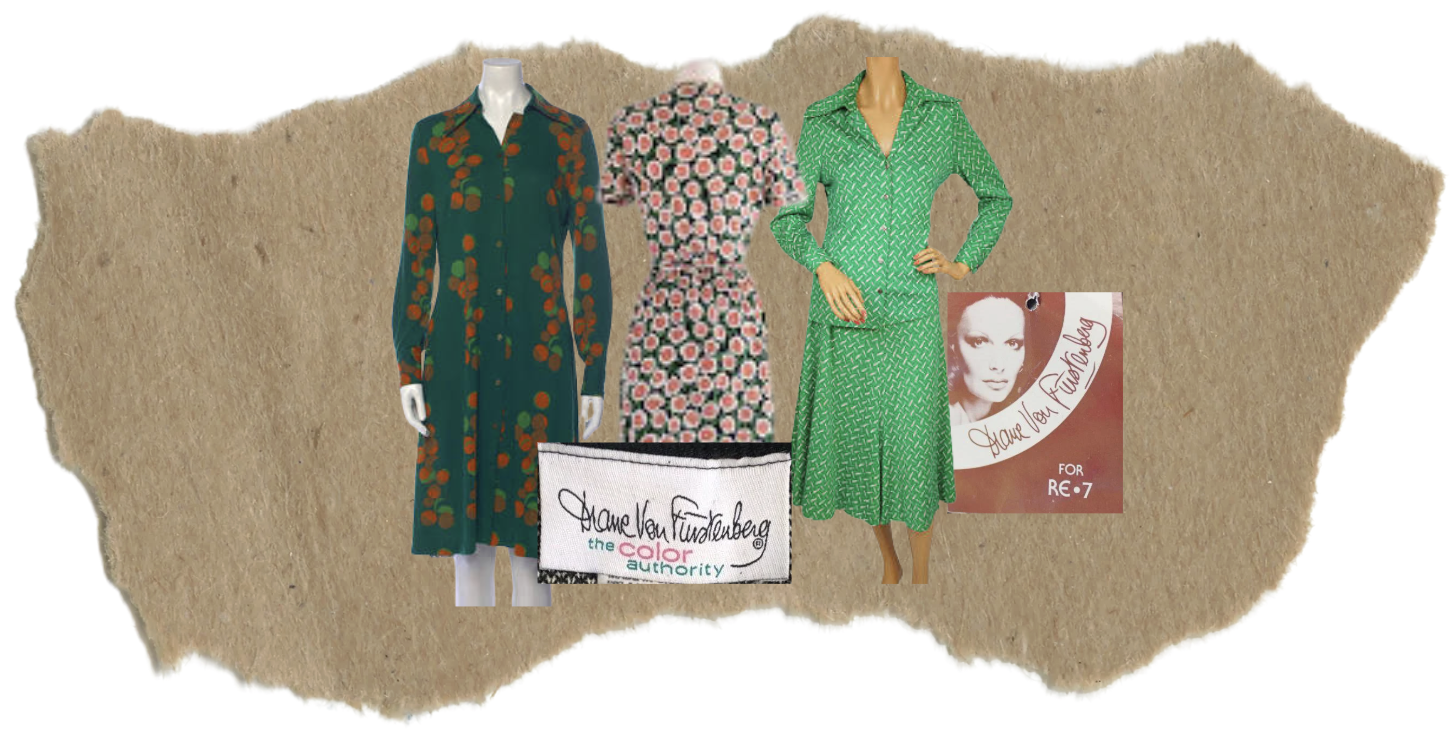
Diane von Furstenberg revolutionized women's fashion with the iconic wrap dress. Earlier silk jersey examples and bold printed designs remain timeless wardrobe staples that continue to attract vintage buyers.
9. Guess
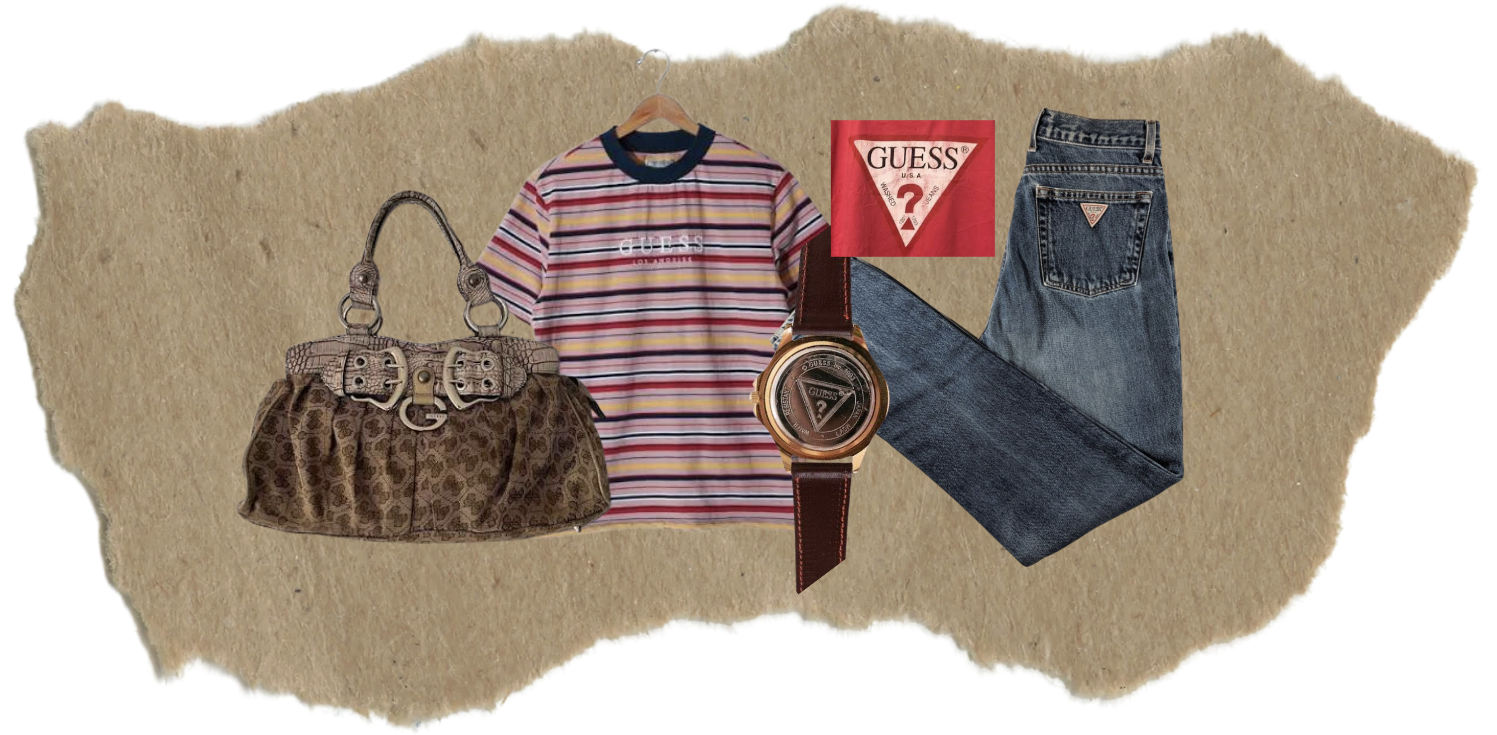
Vintage Guess continues to perform well thanks to the ongoing popularity of Y2K and late 1980s fashion. Denim, logo pieces, triangle-label jeans, and corset-inspired tops are consistently in demand.
10. Lee
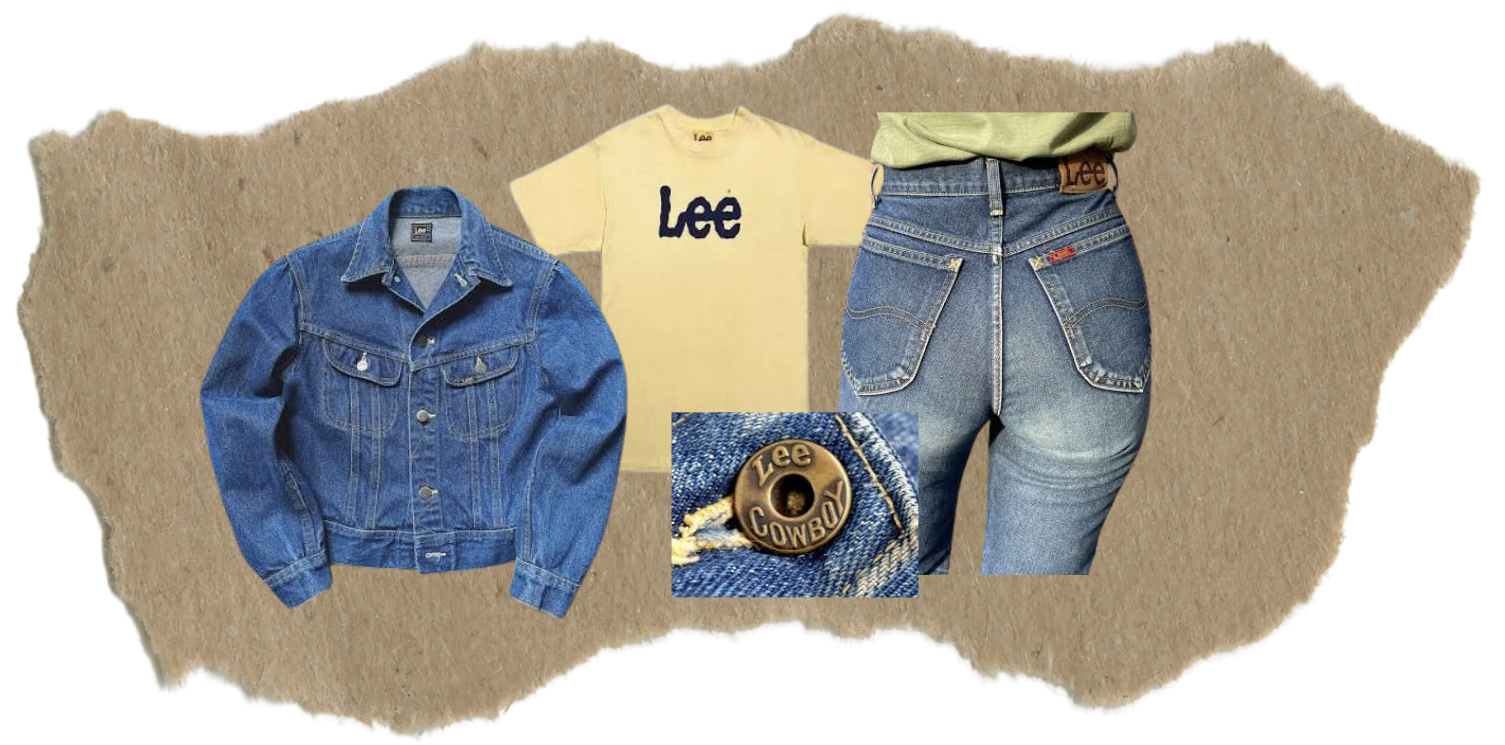
Lee has produced durable denim and workwear for generations. Vintage Lee jeans, denim jackets, overalls, and chore coats often appeal to both workwear enthusiasts and everyday vintage shoppers.
11. Wrangler
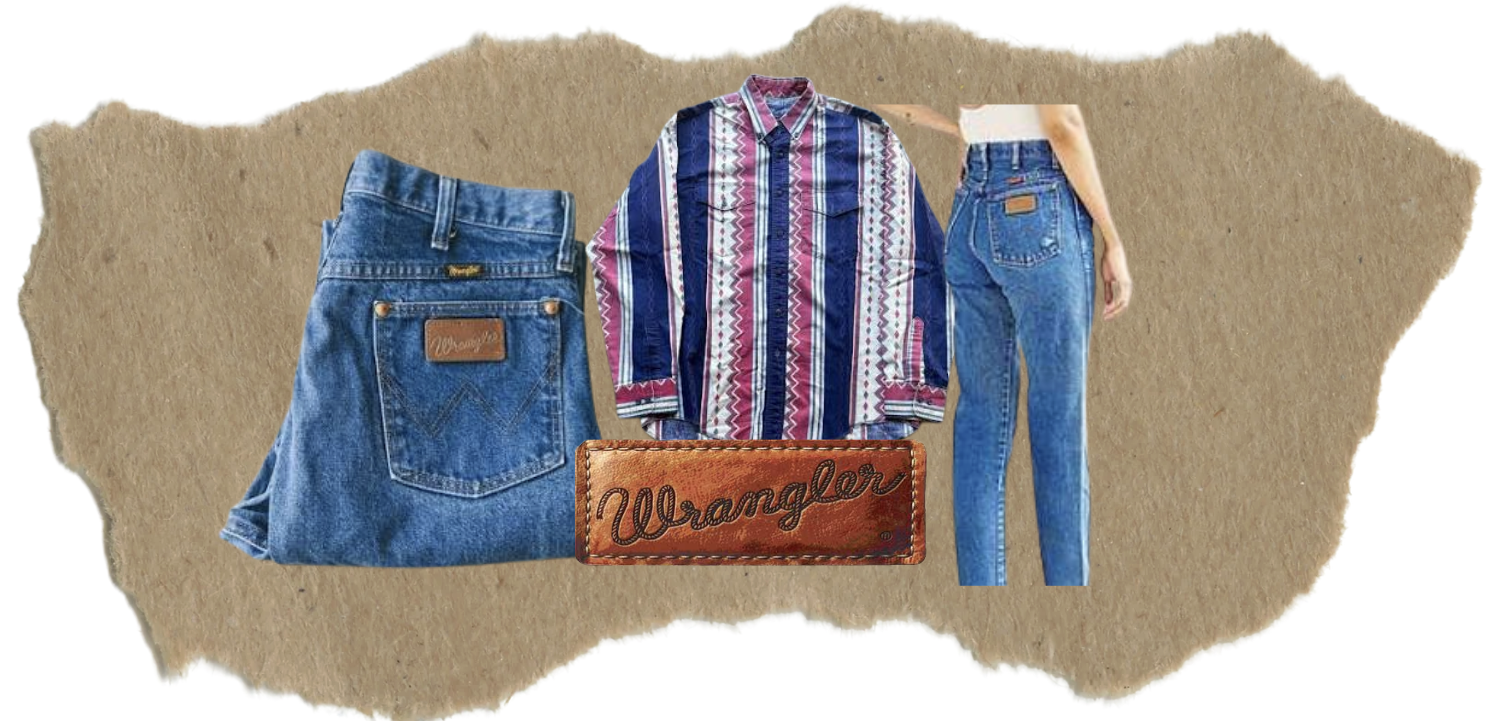
Wrangler is one of the most respected names in western and rodeo apparel. Vintage jeans, denim jackets, pearl snap shirts, and cowboy-inspired clothing remain popular among both fashion buyers and collectors.
12. Disney
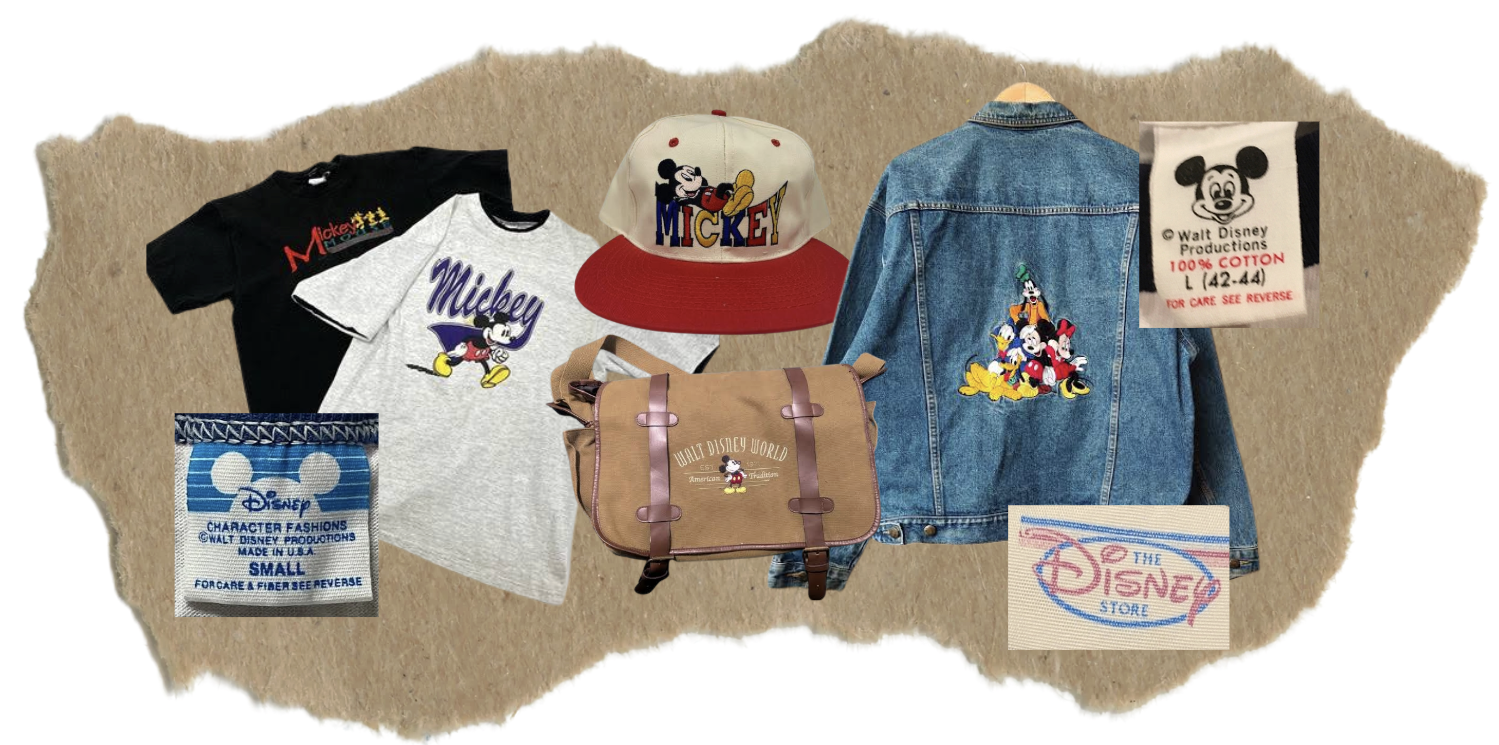
Vintage Disney clothing has a broad audience that includes collectors, nostalgia buyers, and theme park fans. Single stitch graphic tees, oversized sweatshirts, all-over prints, and park-exclusive merchandise consistently perform well across multiple marketplaces.
13. Carhartt
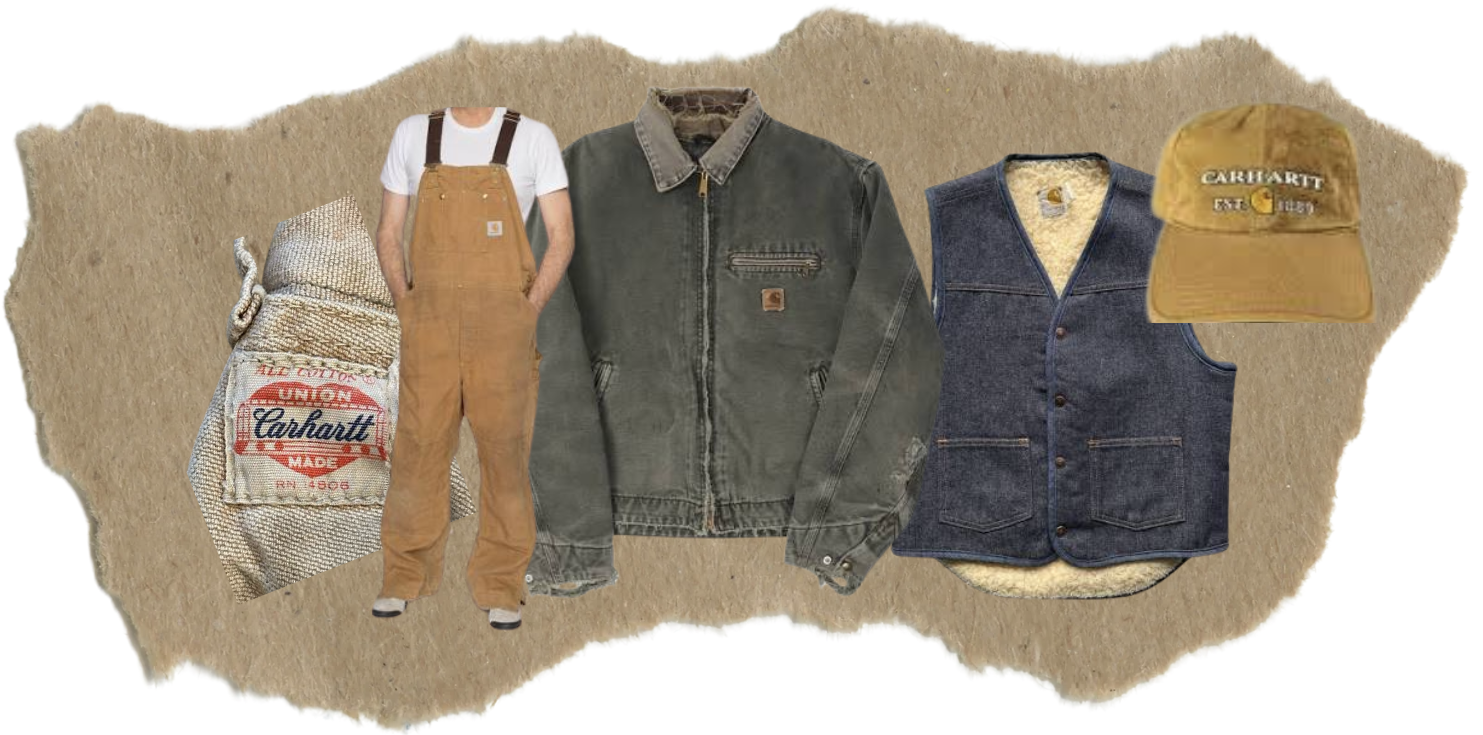
Vintage Carhartt has become increasingly valuable thanks to the popularity of workwear and Americana fashion. Detroit jackets, chore coats, double-knee pants, and made-in-USA pieces often sell quickly, particularly those with visible wear and natural fading.
14. Pendleton
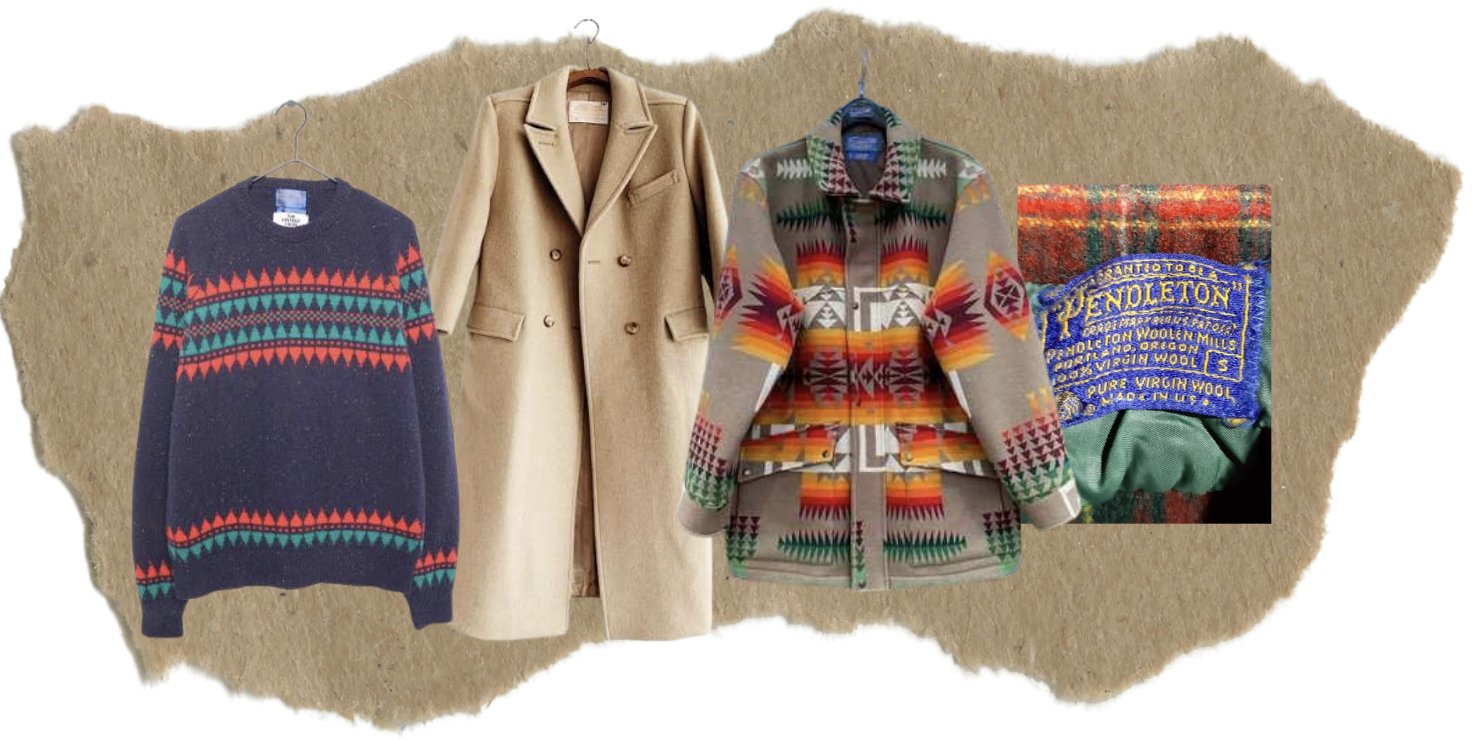
Pendleton is well known for its high-quality wool garments and timeless patterns. Vintage wool shirts, jackets, blankets, skirts, and Native-inspired designs remain favorites among collectors and outdoor enthusiasts.
15. Woolrich
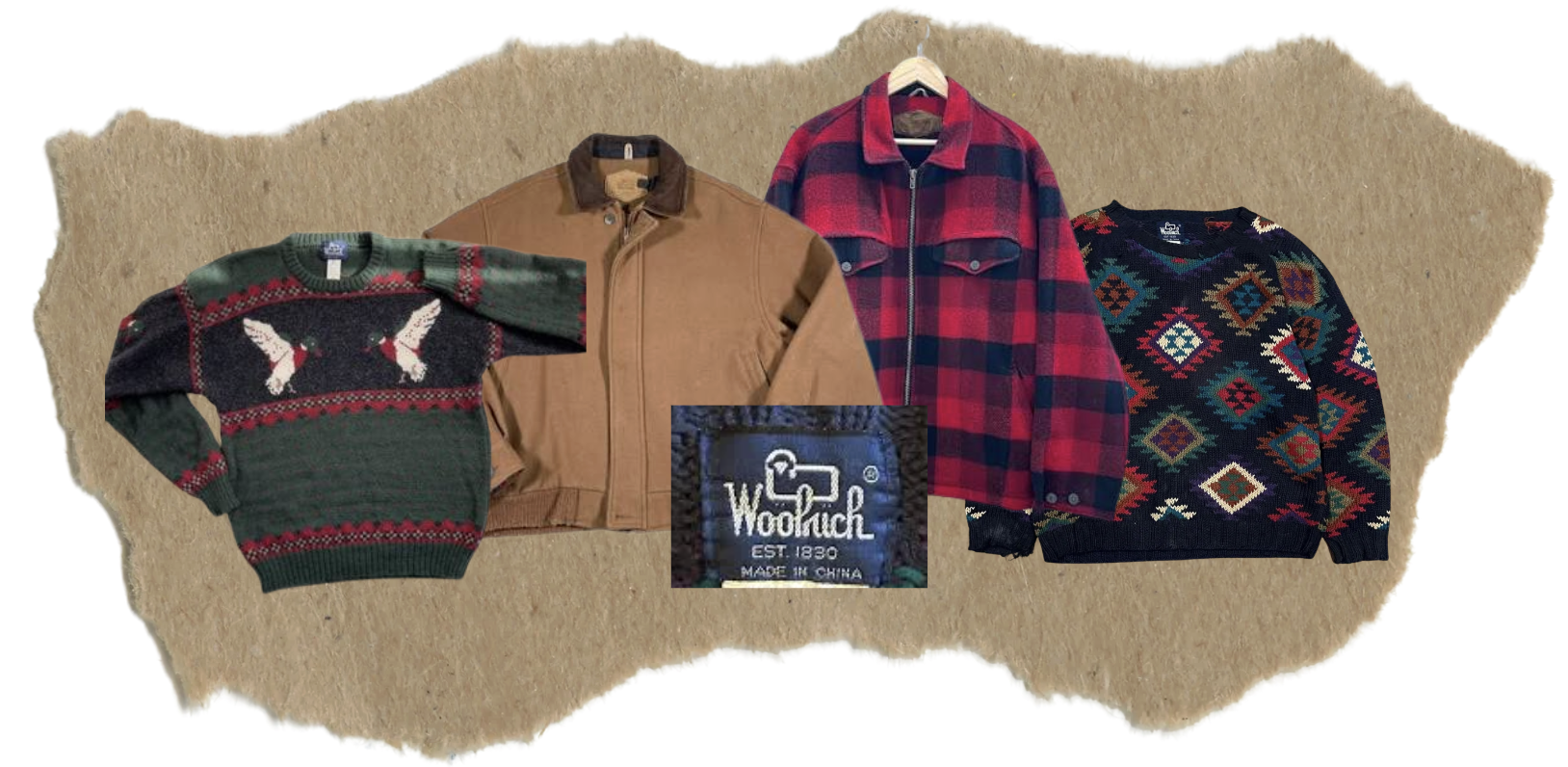
As one of America's oldest outdoor brands, Woolrich produces durable wool outerwear and flannel clothing that continues to attract vintage buyers. Buffalo plaid jackets, wool coats, and heavyweight shirts are especially desirable.
16. Laura Ashley
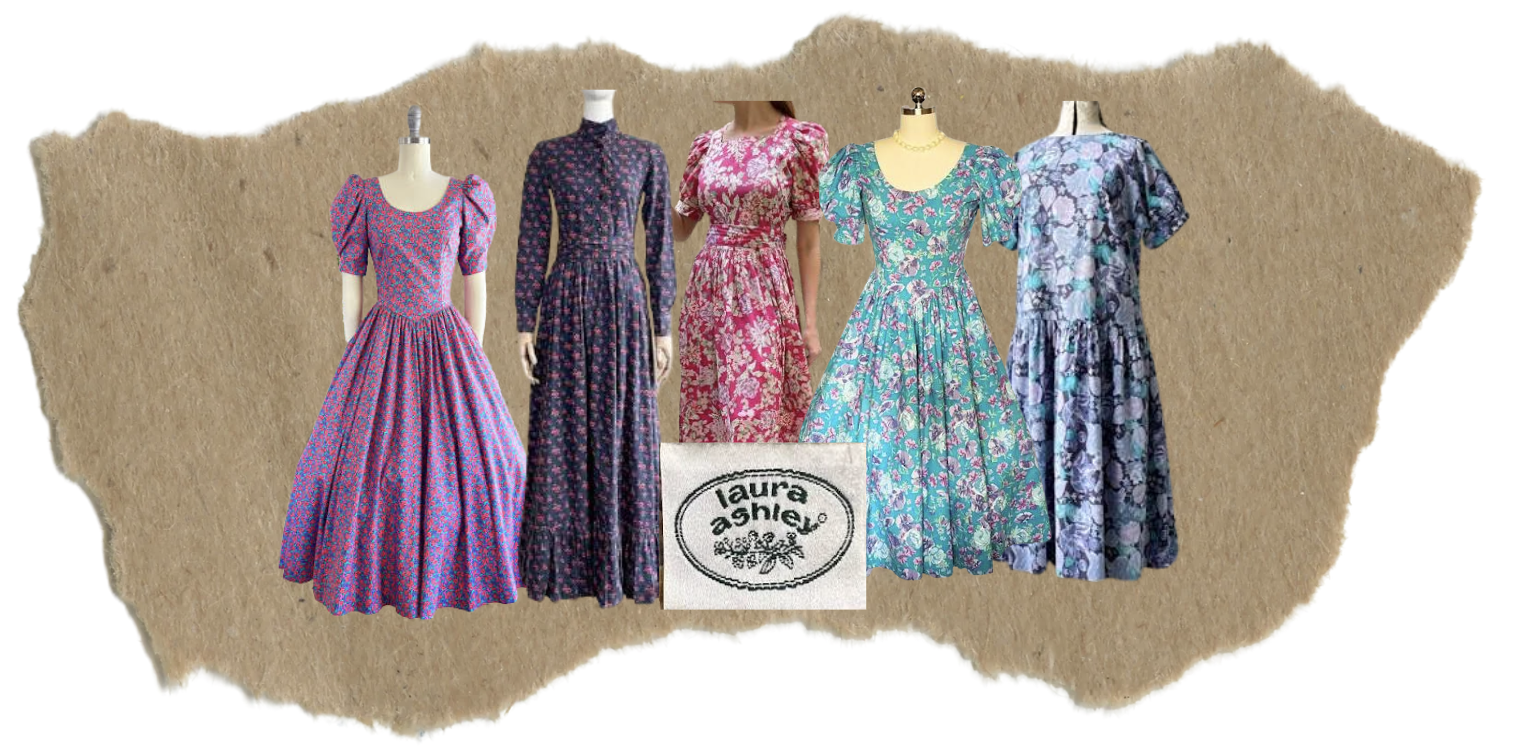
Laura Ashley is synonymous with romantic floral prints and feminine silhouettes. Made in UK dresses, prairie-inspired styles, and cotton floral pieces remain staples of the cottagecore aesthetic and continue to sell consistently.
17. St. John
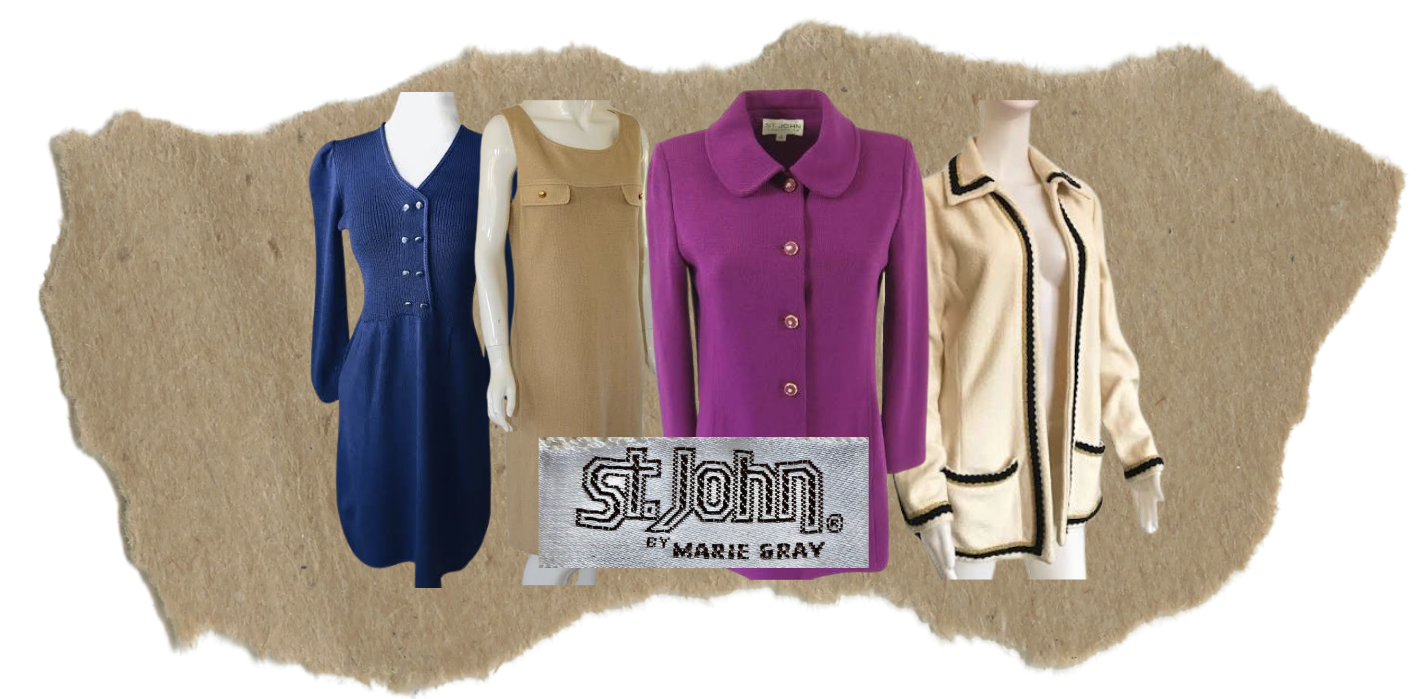
Vintage St. John is prized for its signature Santana knit collections and impeccable craftsmanship. Knit jackets, matching skirt suits, and elegant separates appeal to buyers looking for timeless luxury.
💡Tip: List any vi
18. Liz Claiborne
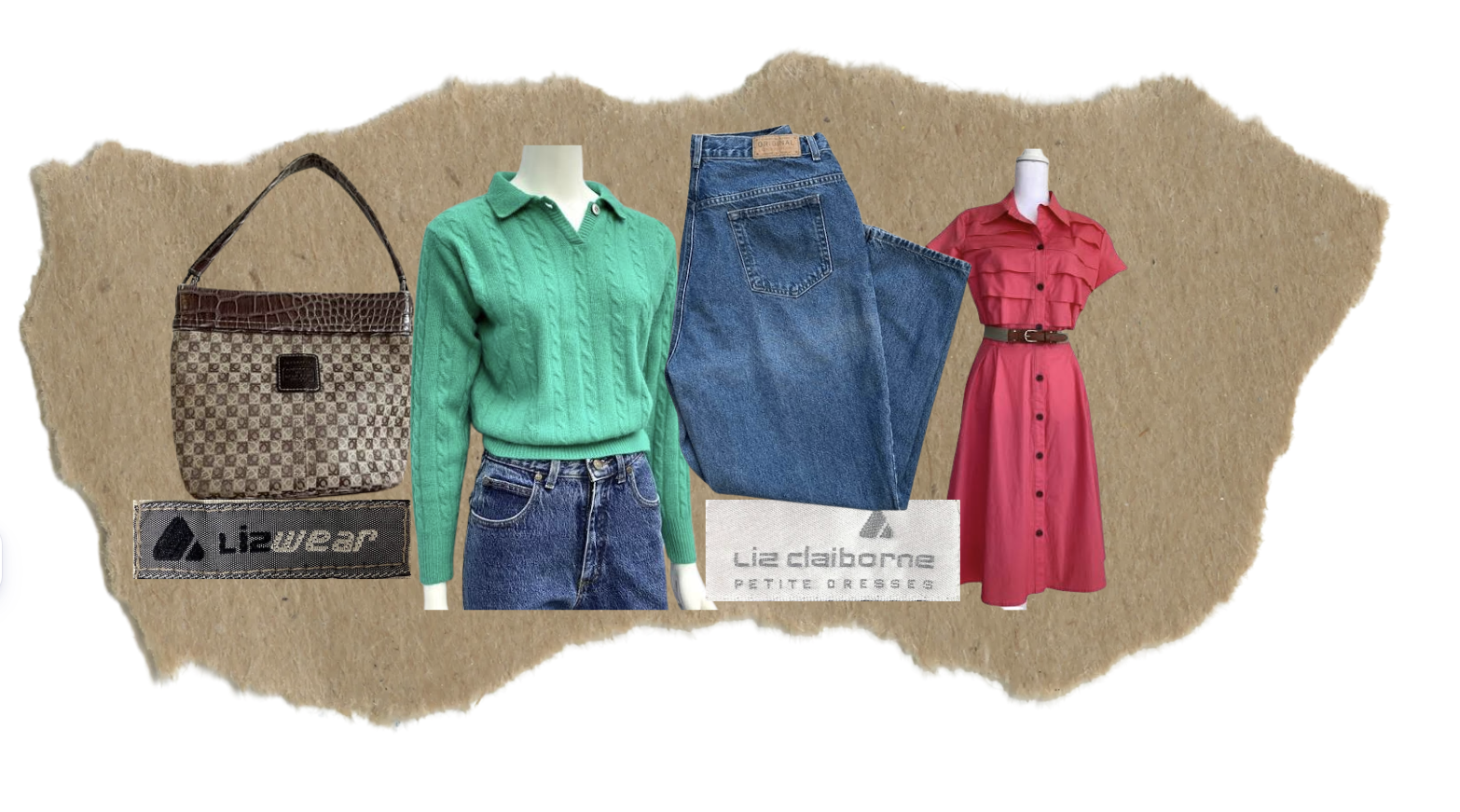
Liz Claiborne produced colorful, well-made clothing throughout the 1980s and 1990s that has seen renewed interest in recent years. Structured blazers, printed dresses, tailored trousers, and coordinated separates often perform well with vintage shoppers.
19. Coach
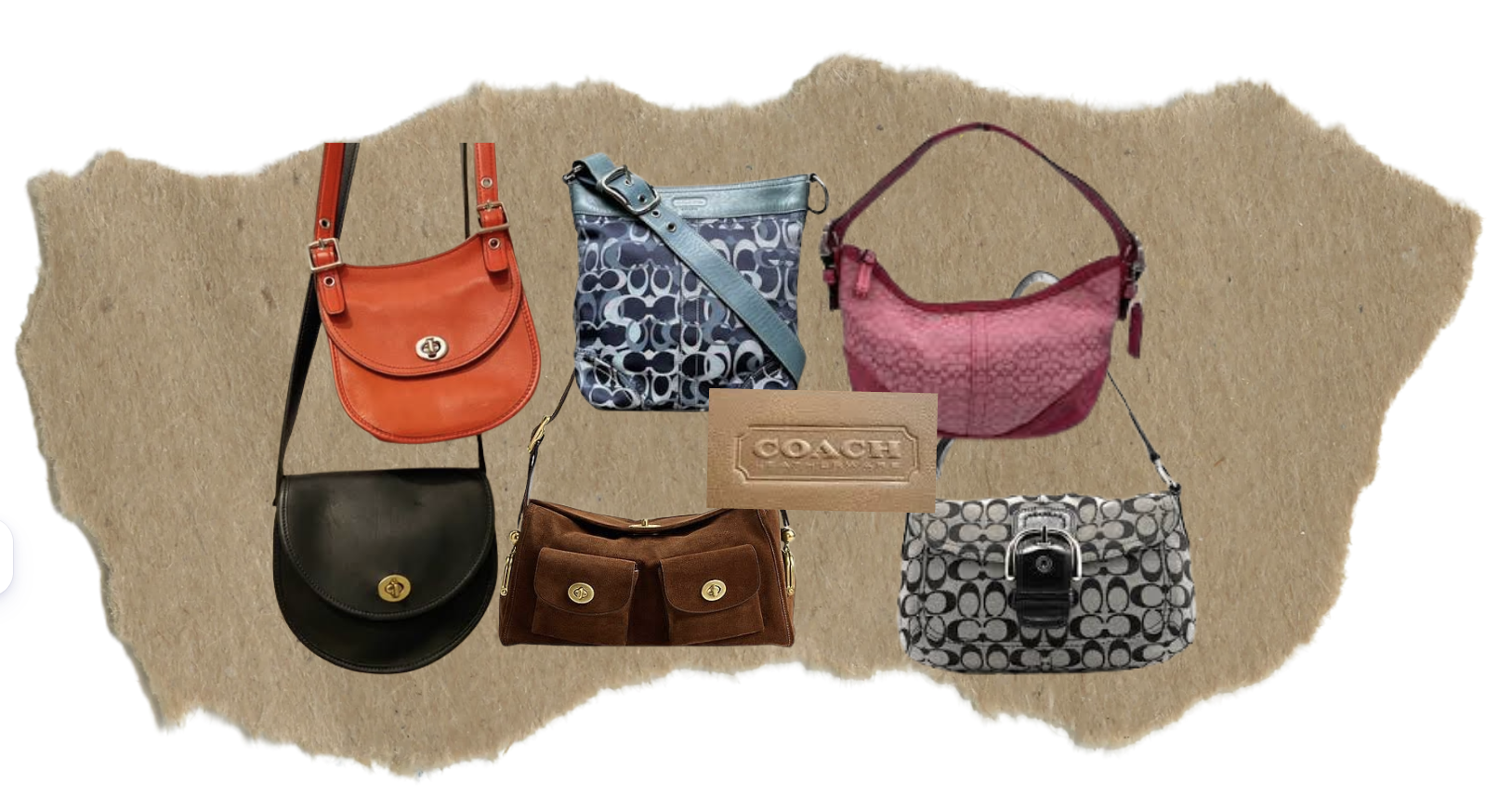
Vintage Coach handbags remain some of the most recognizable accessories in the resale market. Made-in-USA leather bags, Legacy collections, and classic crossbody styles are especially sought after for their quality craftsmanship and timeless design.
20. Jantzen
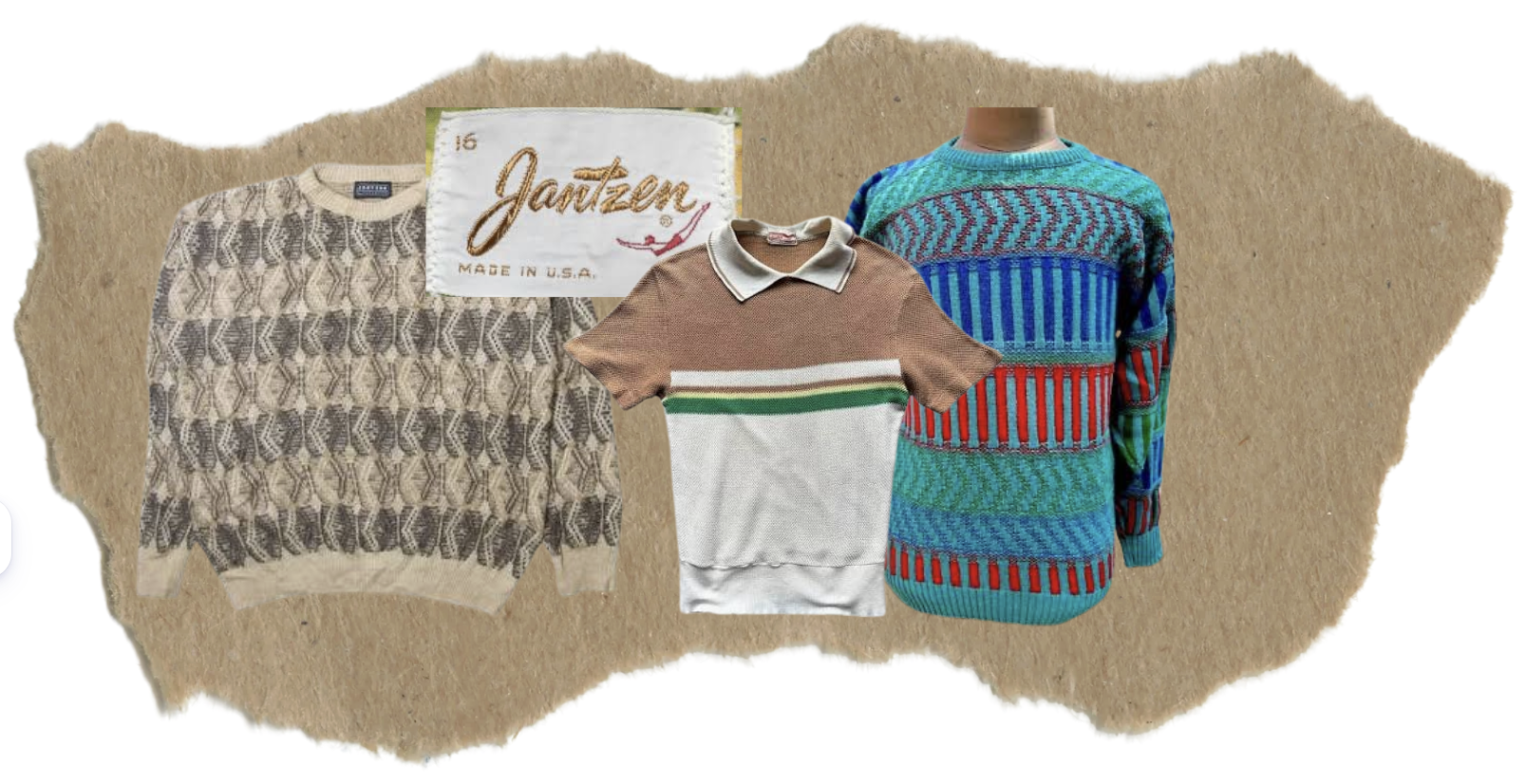
Jantzen has a long history of producing quality swimwear and casual sportswear. Vintage swimsuits, knit tops, and resort-inspired pieces attract buyers looking for classic Americana style.
21. Catalina
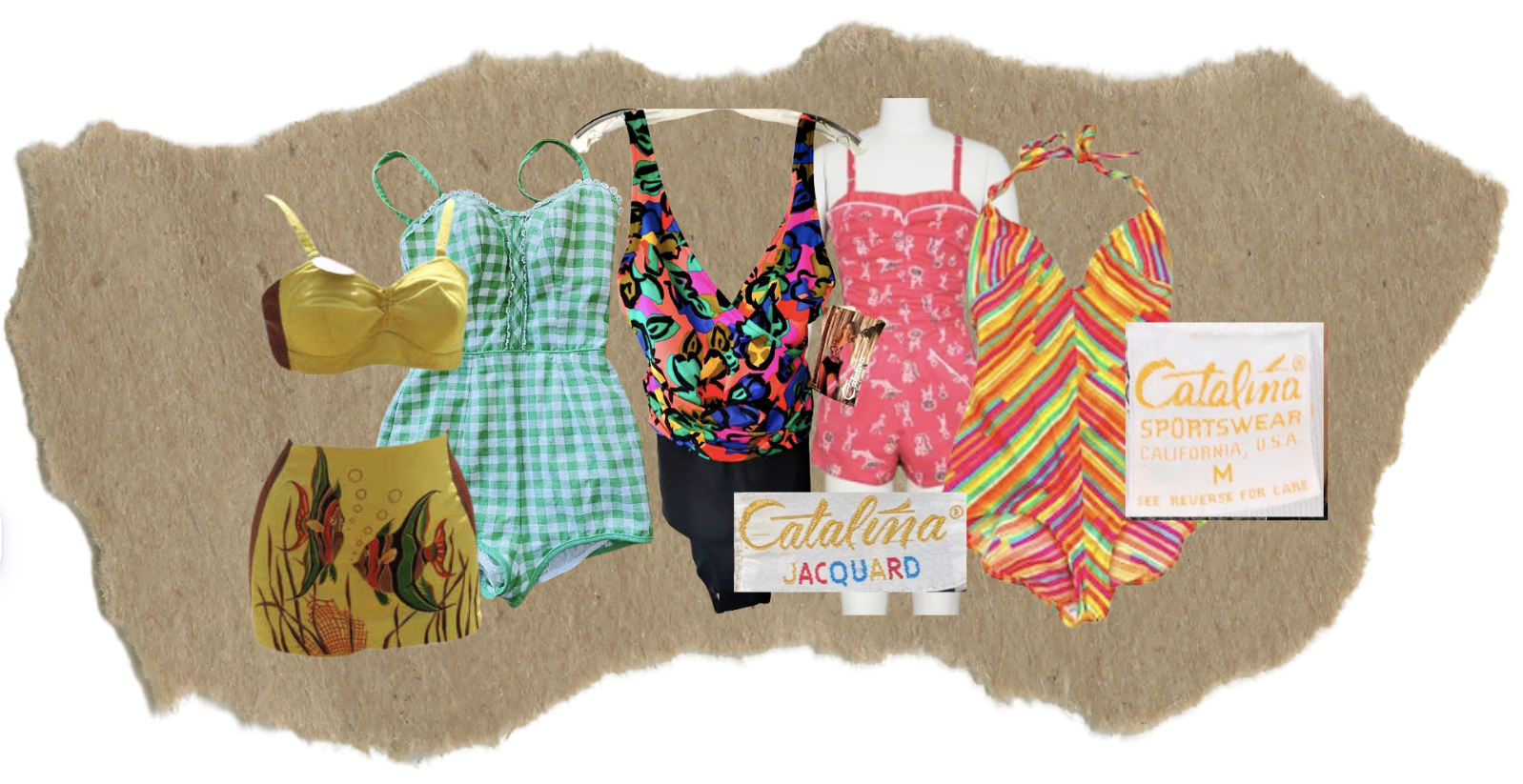
Catalina became famous for its vintage swimwear and leisure clothing throughout much of the twentieth century. One-piece swimsuits, knit tops, and colorful resort wear continue to appeal to collectors and vintage fashion enthusiasts.
Best Vintage Brands: A Complete List
If you're short on time while sourcing, learning the top vintage brands within each category can help you quickly identify pieces with strong resale potential.
Best Vintage Designer Brands
- Alaïa
- Balenciaga
- Basler
- Bill Blass
- Cacharel
- Calvin Klein Collection
- Chanel
- Christian Dior
- Claude Montana
- Comme des Garçons
- Courrèges
- Diane von Furstenberg
- Dries Van Noten
- Escada
- Fendi
- Givenchy
- Gianni Versace
- Gucci
- Halston
- Hermès
- Issey Miyake
- Jean Paul Gaultier
- Kenzo
- Krizia
- Lanvin
- Mila Schön
- Missoni
- Mondi
- Moschino
- Nina Ricci
- Oscar de la Renta
- Pierre Cardin
- Prada
- Thierry Mugler
- Ungaro
- Valentino
- Vivienne Westwood
- Yohji Yamamoto
- Yves Saint Laurent
Best Vintage Denim Brands
- Calvin Klein Collection
- Carhartt
- Guess
- Lee
- Levi's
- Pointer Brand
- Roebucks
- Wrangler
Best Vintage Workwear Brands
- Ben Davis
- Big Smith
- Carhartt
- Dickies
- Filson
- Key Apparel
- Pointer Brand
- Red Kap
- Stan Ray
- Walls
Best Vintage Outdoor Brands
- Arc'teryx
- Chippewa
- Danner
- Eddie Bauer
- Filson
- L.L.Bean
- Marmot
- Patagonia
- Pendleton
- Sierra Designs
- The North Face
- Wesco
- Woolrich
Best Vintage Western Brands
- H Bar C
- Justin Boots
- Lucchese
- Miller Western Wear
- Nocona
- Panhandle Slim
- Pendleton High Grade Western Wear
- Rockmount Ranch Wear
- Tony Lama
Best Vintage Military and Heritage Brands
- Alpha Industries
- Avirex
- Mackintosh
- Marlboro Classics
- Members Only
- Schott NYC
Best Vintage Athletic and Sportswear Brands
- Adidas
- Champion
- Logo Athletic
- Nike
- Puma
- Reebok
- Russell Athletic
- Starter
Best Vintage Graphic T-Shirt Brands
- Anvil
- Brockum
- Changes
- Fruit of the Loom
- Hanes
- Jerzees
- Oneita
- Salem Sportswear
- Screen Stars
- Signal Sports
- Winterland
Best Vintage Americana Brands
- Brooks Brothers
- McGregor
- Pendleton 49er
- Pendleton Board Shirt
- Ralph Lauren
- Polo Ralph Lauren
- Ralph Lauren Country
- RRL
- Sears Kings Road
- Towncraft
- Van Heusen
Best Vintage Department Store and Private Labels
- Bloomingdale's
- Lord & Taylor
- Neiman Marcus
- Saks Fifth Avenue
Best Vintage Women's Fashion Brands
- Act III
- Albert Nipon
- Alfred Dunner
- April Cornell
- Betsey Johnson
- Bonnie Cashin
- Berek
- Bryn Walker
- Byer California
- Cache
- Capezio Boutique
- Carlisle
- Carol Anderson
- Carole Little
- Chico's Design
- Citron Santa Monica
- Coldwater Creek
- Dana Buchman
- Doeskin
- Dress Barn Vintage
- Eileen Fisher
- Esprit
- Etcetera
- Evan Picone
- Express Tricot
- Flax
- Gunne Sax
- Haband
- Jack Winter
- Jessica McClintock
- J. Peterman
- Jonathan Logan
- Jones New York
- Karen Alexander
- Kasper
- Koret
- Koret City Blues
- Koret of California
- Lady Manhattan
- Lanz of Salzburg
- Laura Ashley
- Leslie Fay
- Lilli Ann
- Liz Claiborne
- Norman Norell
- Norm Thompson
- Quacker Factory
- Requirements
- Sag Harbor
- Stenay
- St. John
- Studio Ease
- Susan Bristol
- Tadashi
- Talbots
- White Stag
Best Vintage Swim and Resort Wear Brands
- Catalina
- Jantzen
- Kamehameha
- Reyn Spooner
- Tori Richard
Best Vintage Footwear Brands
- Allen Edmonds
- Bass Weejuns
- Capezio
- Cole Haan
- Florsheim
- Frye
- Johnston & Murphy
- Red Wing
Best Vintage Character and Pop Culture Brands
- Disney
- Harley-Davidson
- Warner Bros.
How to Identify True Vintage Clothing
Finding the great vintage brands to resell is only part of the equation. Successful vintage resellers also learn how to recognize authentic vintage garments, especially when the label is missing, unfamiliar, or no longer in business.
Fortunately, vintage clothing often reveals its age through construction techniques, materials, labels, and manufacturing details. The more of these characteristics you recognize, the easier it becomes to identify profitable pieces while sourcing.
Look for these common indicators:
- Single stitch construction on t-shirts (rather than the double-stitch used today)
- Selvedge denim and redline selvedge
- Paper garment tags
- Sheer care labels commonly found in dresses intended to be worn with slips
- Hand-finished hems and seams
- Metal zippers instead of plastic
- Union labels, including ILGWU tags
- Made in USA, Made in UK, or Made in France labels
- Natural fiber content such as wool, linen, silk, and cotton
None of these features alone guarantees that a garment is vintage, but several appearing together can provide strong evidence of its age.
Learn to Recognize Union Labels
Union labels are one of the most useful dating tools available to vintage resellers. Organizations such as the International Ladies' Garment Workers' Union (ILGWU) periodically updated their labels over the decades, allowing collectors to estimate when many garments were manufactured.
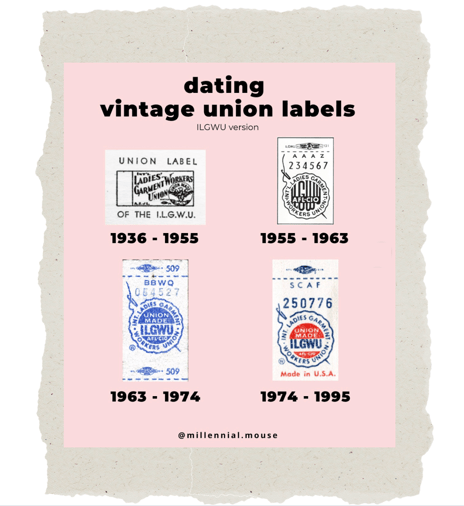
Photo Source: ILGWU label guide by MillenialMouse.
Don't Ignore Lesser-Known Brands
Many new vintage resellers focus exclusively on recognizable names like Levi's or Ralph Lauren. While those brands are excellent finds, countless lesser-known labels can also sell exceptionally well.
Brands such as Jonathan Logan, Carole Little, Albert Nipon, Leslie Fay, Lilli Ann, Koret of California, Pendleton 49er, Lady Manhattan, and White Stag regularly attract vintage buyers despite being less familiar to the average shopper.
Instead of judging an item solely by the brand name, evaluate the garment as a whole. Era, quality, style, rarity, and condition often matter just as much as the label itself.
Dating Vintage Clothing with AI
Artificial intelligence has become one of the most useful research tools available to vintage resellers. While it should never replace your own knowledge, AI can significantly reduce the time required to identify unfamiliar brands and estimate the age of a garment.
💡Tip: When in doubt, use Google or AI to help determine the age of clothing based on features like stitchwork and labels.
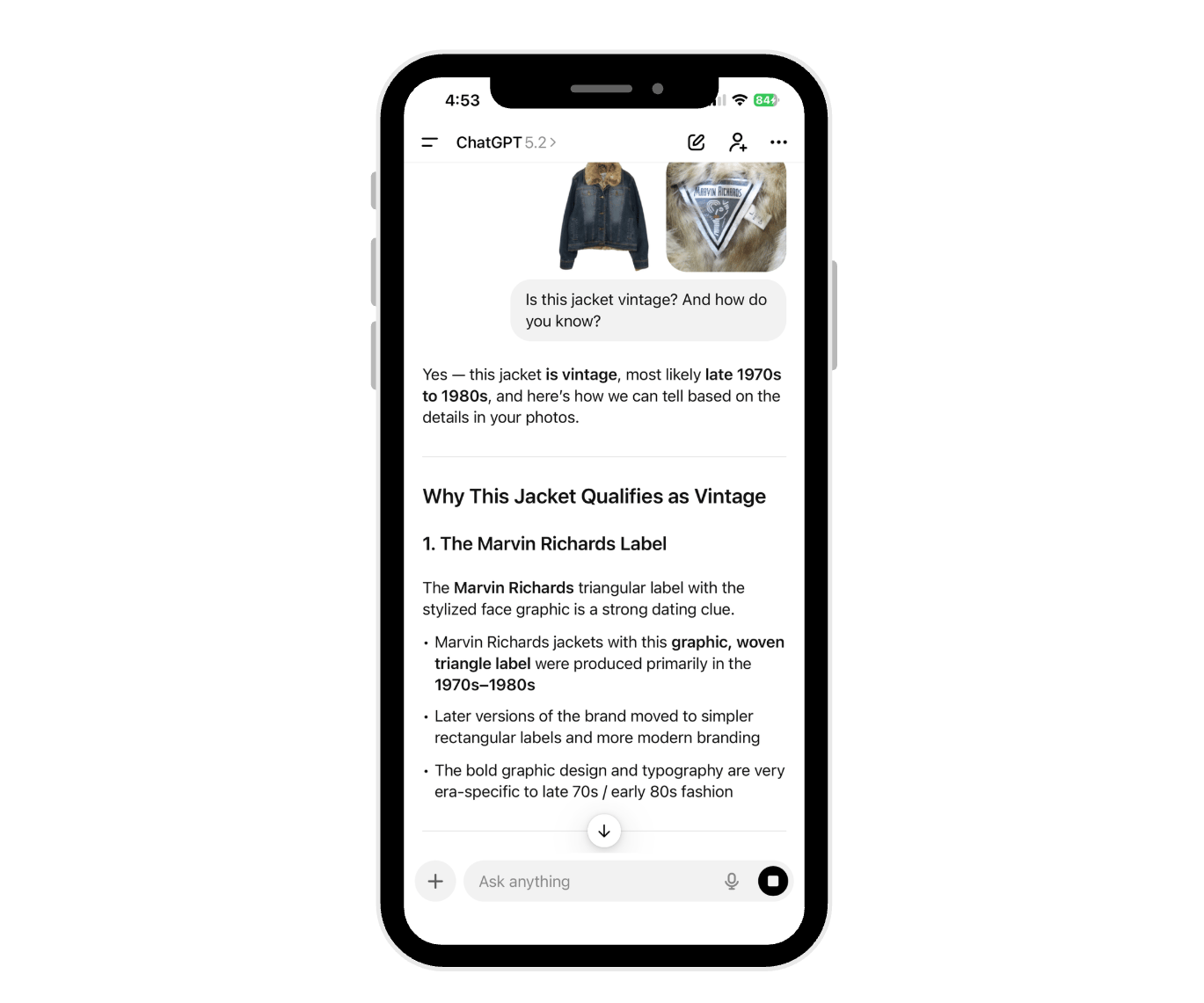
Here, I provided ChatGPT with photos of the item and its tag and learned a lot about the brand and the piece's age.
When researching a vintage piece, upload clear photos of the following:
- Front of the garment
- Back of the garment
- Brand label
- Care label
- Union label, if present
- Fabric content tag
- Zippers, buttons, or hardware
- Distinctive construction details
AI can often help identify the approximate decade of production, label variations over time, similar sold examples, and possible keywords.
Always verify important information before publishing a listing, particularly for high-value designer pieces. AI is an excellent research assistant, but authentication should still rely on trusted references and your own inspection.
Where to Source Vintage Brands
The best vintage brands to resell rarely come from a single source. Successful resellers cast a wide net and consistently visit locations where overlooked vintage inventory still appears.
The great thing about vintage is that most thrift stores have lots, and most do not charge as much as they do for trendy, modern name brands.
Some of the best places to source vintage clothing include:
- Thrift stores
- Church rummage sales
- Estate sales
- Yard sales
- Flea markets
- Storage auctions
- Consignment stores
- Facebook Marketplace
- Community buy-and-sell groups
- The resale marketplaces themselves.
Many experienced vintage sellers develop relationships with estate sale companies, auctioneers, and antique dealers who notify them when vintage clothing collections become available.
The most profitable inventory often comes from buying entire collections rather than individual pieces.
How to Photograph Vintage Clothing for Online Sales
While many sellers photograph on a clear hanger or laid flat, vintage clothing rarely looks its best on a hanger. Because vintage silhouettes, textures, and construction differ significantly from modern garments, modeling or showcasing on a dress form are the most effective ways to showcase fit and style.
“When you buy a piece of vintage clothing, you’re not just buying fabric and thread. You’re buying a piece of someone’s past.” -Isabel Wolff.
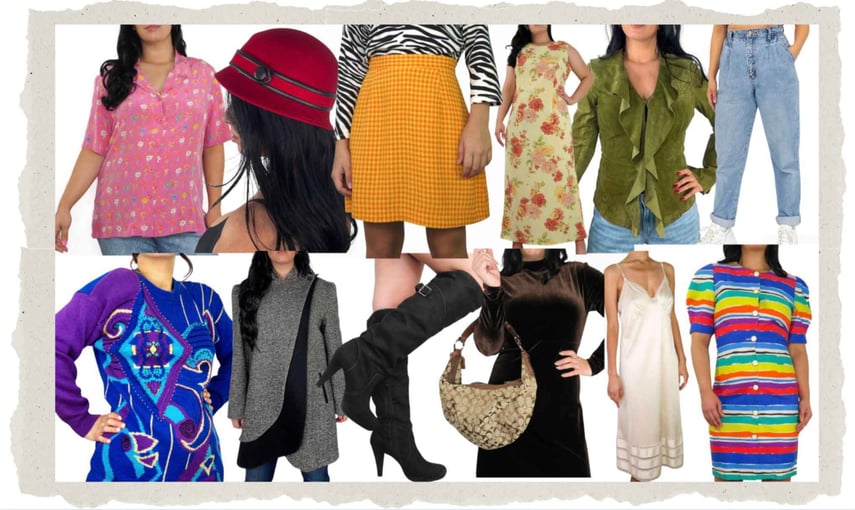
Image Source: FourLimes on Depop
Some resellers style pieces true to the era, while others pair vintage with modern elements for a contemporary look. Both approaches can be successful when the garment’s shape, texture, and details are clearly visible.
💡Tip: If a picture is worth a thousand words, a video is worth a million. Use listing videos to show off your modeled vintage pieces.
Vintage Sizing and Measurement Best Practices
Many vintage pieces do not have size tags. Even when they do, vintage sizing differs significantly from modern sizing standards. For this reason, you want to include both the "tagged vintage size" (for accuracy) and the "best modern fit size" (for practicality).
For SEO purposes, many vintage sellers select a modern size equivalent as the size when listing. If you have a blouse tagged as a size large, but it fits more like a modern small, listing it as large wouldn't make much sense, as the listing would only be shown to buyers who are size large.
Be sure to always include detailed measurements, including chest/bust, shoulders, sleeves, waist, hips, inseam, leg opening, and length. Clear measurements reduce returns and build buyer confidence, especially for higher-value vintage items.
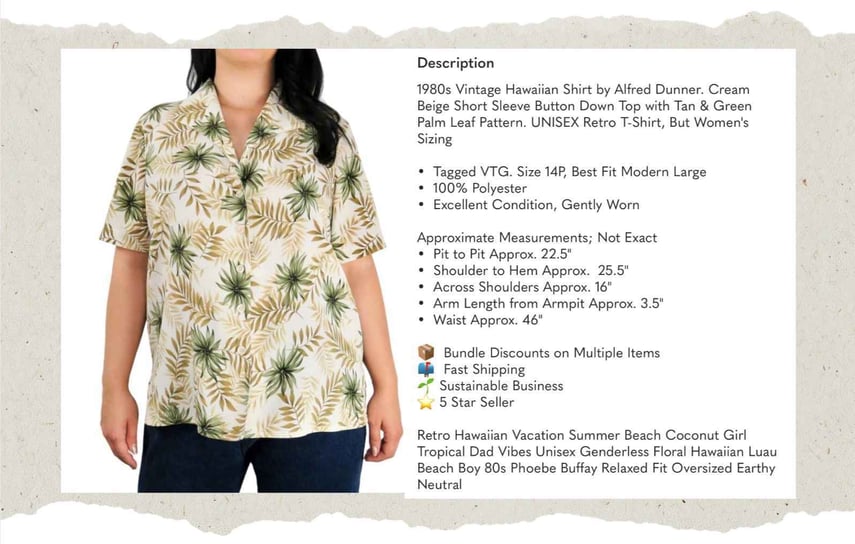 For example, this 1980s blouse is tagged size 14P, but would not fit someone who wears a modern 14P. So, I listed it as a large, explaining that large is the best modern equivalent. I included several measurements so buyers can shop with confidence despite the discrepancy in sizing.
Vintage Sourcing Guide by Decade
While selling popular brands helps increase sales, it's not only about the brand. Many vintage shoppers don't even know or care about the brand: they care about the look and the style.
Here is a guide to identify the best styles of each decade.
Y2K Fashion and Early 2000s Vintage
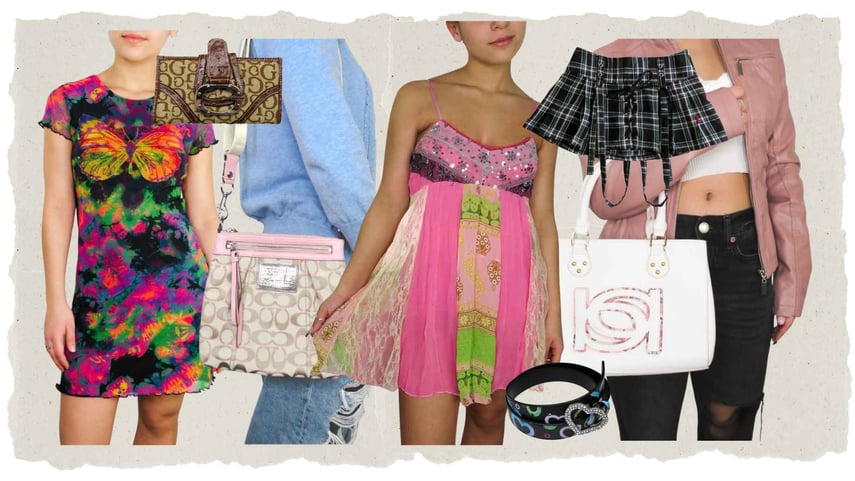
The early 2000s brought bold, playful fashion inspired by pop culture icons. Y2K fashion is highly sought after by millennials and Gen Z buyers. Paris Hilton, Britney Spears, and Bratz Dolls were fashion icons at this time.
High-performing pieces include baby tees, baguette bags, pleated mini and micro skirts, plaid skirts, velour tracksuits, lace camisoles, rhinestone details, and pastel colors.
The best vintage brands to sell from the early 2000s include Juicy Couture, Lisa Frank, Ed Hardy, early Alexander McQueen, and playful pop-culture labels.
1990s Vintage Fashion Trends
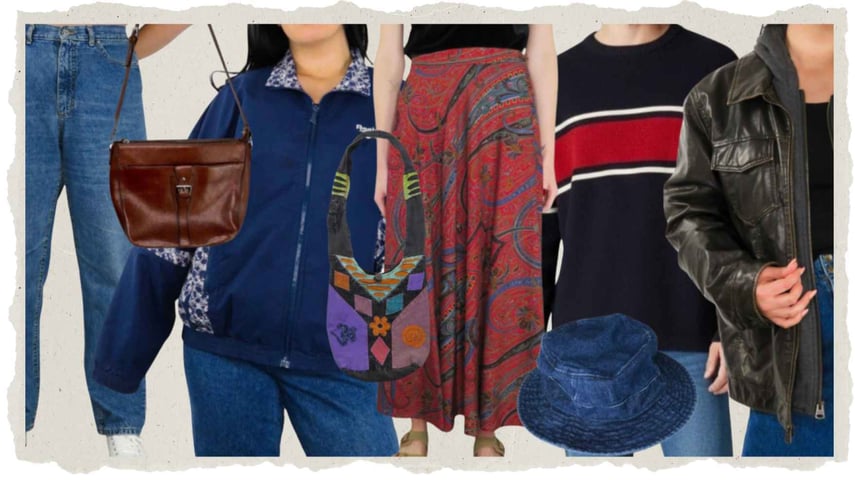
The 1990s were defined by grunge, hip-hop, and minimalist fashion. Popular styles include leather jackets, mom jeans, overalls, cardigans, bucket hats, and bold and bohemian prints like leopard and acid wash. Princess Diana, Kate Moss, and Phoebe Buffay (Lisa Kudrow) were fashion icons of the 90s.
The best vintage brands from the 1990s include Levi's, Guess, Gap, Nike, Espirit, Osh Kosh B'Gosh, Calvin Klein, Tommy Hilfiger, Prada, Versace, Comme des Garçons, and COOGI.
Vintage band t-shirts from this era can carry extremely high resale value and should always be researched individually.
1980s Vintage Fashion
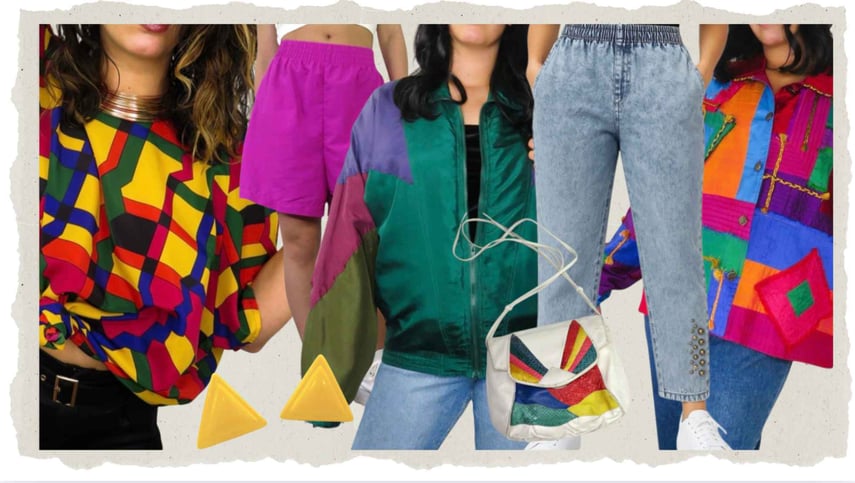
The 1980s were bold and expressive, influenced by music and pop culture icons. Common styles include spandex, track jackets, parachute pants, leg warmers, shoulder pads, and neon colors. Madonna and Cyndi Lauper were top fashion icons in the 80s.
The best vintage brands from the 1980s include Harley-Davidson, Levi’s, Ralph Lauren, Victor Costa, Calvin Klein, Guess, Members Only, Reebok, Nike, and Jordache.
1970s Vintage Fashion
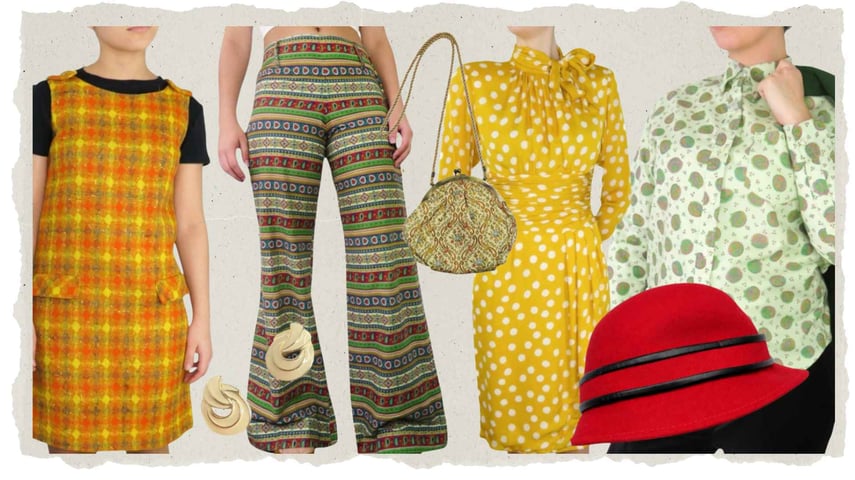
Image Source: Four Limes Shop, LLC.
The 1970s embraced disco, boho, and folk influences. Popular items include smocked dresses, crochet designs, denim dresses, platform shoes, scarves, satin slips, and coordinated sets. 1970s fashion icons included Diana Ross, Cher, and Farrah Fawcett.
The best vintage brands from the 1970s include Levi's, Wrangler, Gunne Sax, Diane von Furstenberg, Halston, Lee, Ossie Clark, Missoni, Pendleton, Nike, Dittos, Landlubbers, and Whiting and Davis.
💡Tip: Vintage lingerie from the 70s often carries strong resale value.
1960s Vintage Fashion
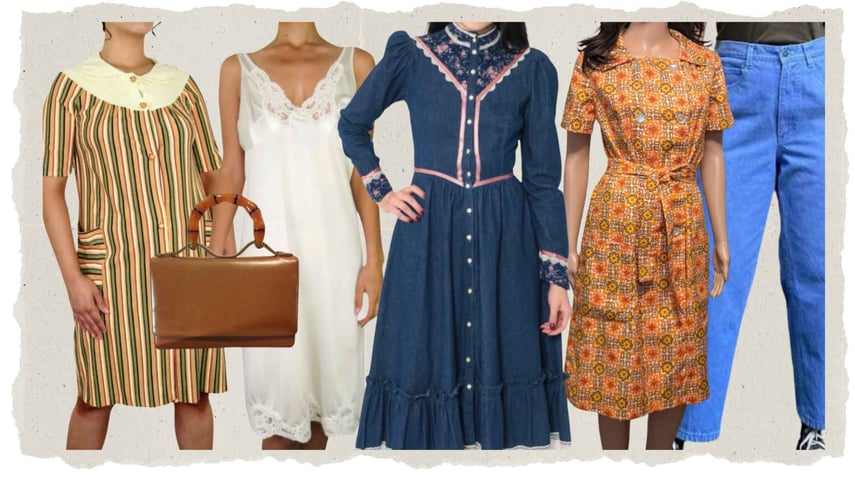
The 1960s brought revolutionary fashion alongside sweeping political and cultural change, marked by youth-driven style and futuristic experimentation. Defining looks include mini skirts, shift dresses, A-line silhouettes, pillbox hats, go-go boots, mod tailoring, fringe, sequins, vinyl and PVC fabrics, bold geometric prints, color-blocking, and graphic black-and-white patterns. Influential female fashion icons of the decade include Twiggy, Jacqueline Kennedy, and Brigitte Bardot, whose mod, minimalist, and bombshell aesthetics continue to influence vintage demand.
The best vintage brands from the 1960s to sell include Pierre Cardin, Emilio Pucci, Mary Quant, Yves Saint Laurent, André Courrèges, Paco Rabanne, Rudi Gernreich, Bonnie Cashin, Givenchy, and Oleg Cassini.
1950s Vintage Fashion
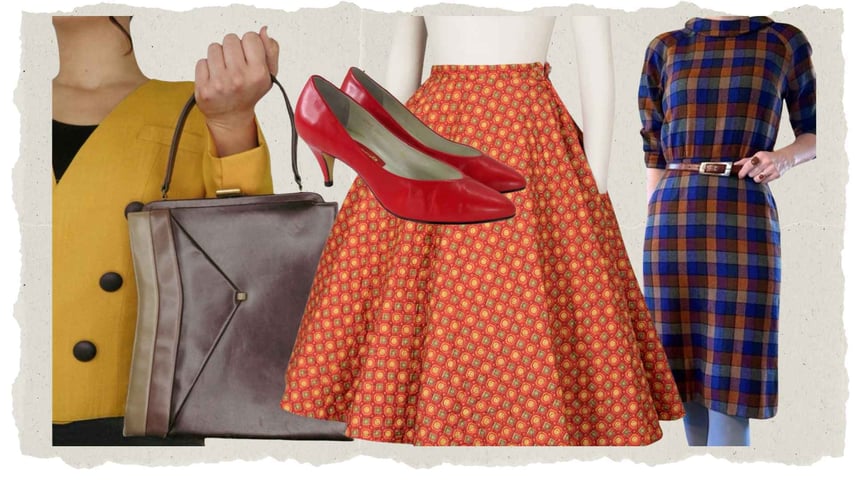
The 1950s emphasized polished femininity, structured silhouettes, and pin-up glamour, heavily influenced by post-war optimism and Hollywood style. Defining looks include full circle skirts, poodle skirts, fitted pencil skirts, wiggle dresses, bustier and sweetheart neckline tops, capri pants, cardigans, gingham and polka-dot prints, cat-eye sunglasses, saddle shoes, and cropped leather jackets. 60s fashion icons included Marilyn Monroe, Audrey Hepburn, Elizabeth Taylor, and Grace Kelly.
The best vintage brands to sell from the 1950s include Christian Dior, Givenchy, Balenciaga, Lilli Ann, Pendleton, Lanz Originals, Circle T, Lee, Levi’s, and Schott.
💡 Tip: Metal side and back zippers, especially Talon or Conmar, are common indicators of authentic early vintage garments from the 1950s and often increase collector interest.
1940s Vintage Fashion
The 1940s were defined by wartime practicality and resourcefulness, with fashion shaped by fabric rationing and utility regulations. Signature styles include shirtwaist dresses, tea dresses, A-line skirts, knee-length hemlines, padded and structured shoulders, tailored suits, utility pockets, and muted or neutral color palettes. Female fashion icons of the 40s include Katharine Hepburn, Rita Hayworth, and Lauren Bacall.
The best 1940s vintage brands to sell include Lilli Ann, Adrian, Claire McCardell, Bonnie Cashin, Gabardine, and Junior Vogue.
1930s Vintage Fashion
The 1930s emphasized elegance, Old Hollywood glamour, and fluid movement, with fashion shifting toward longer hemlines and body-skimming silhouettes. Defining styles include bias-cut gowns, draped evening dresses, satin and silk fabrics, velvet, softly tailored suits, flutter sleeves, and romantic details influenced by Hollywood film stars. Influential 30s fashion icons include Jean Harlow, Marlene Dietrich, and Greta Garbo.
The best vintage brands from the 1930s to sell include Vionnet, Elsa Schiaparelli, Lucien Lelong, Mainbocher, Edward Molyneux, and Jean Patou.
1920s Vintage Fashion
The roaring 1920s or the "jazz era" marked a dramatic break from traditional fashion, introducing youthful, modern silhouettes driven by social change and liberation.
Signature styles include flapper dresses, dropped waists, straight chemise shapes, cloche hats, beaded and sequined embellishments, fringe, Art Deco motifs, sheer overlays, and the rise of the little black dress. Influential female fashion icons of the decade include Louise Brooks, Josephine Baker, and Clara Bow.
The best vintage brands from the 1920s include Chanel, Jeanne Lanvin, Callot Soeurs, Poiret, Worth, and Lucile.
The Best Vintage Brands and Styles
Finding the best vintage brands to resell is only the beginning. The most successful vintage sellers combine brand knowledge with an understanding of garment construction, dating techniques, accurate pricing, and strong listing practices.
As you gain experience, you'll begin recognizing valuable pieces long before other shoppers do. Keep researching unfamiliar labels, study vintage tags and fabrics, and continue refining your sourcing strategy. Over time, those skills will help you uncover hidden gems and build a vintage inventory that stands out across today's most popular resale marketplaces
Do you have any tips and tricks for finding and authenticating vintage clothes? Share with us below! 👇🏽
Best Vintage Brands FAQ
What is considered vintage clothing?
Clothing is generally considered vintage once it is at least 20 years old. Items that are 100 years old or older are typically classified as antiques. Authentic vintage should not be confused with modern "vintage-inspired" clothing
Which vintage brands sell for the most money?
Brands such as Levi's, Chanel, Louis Vuitton, Harley-Davidson, Gunne Sax, Ralph Lauren, and designer labels often command the highest resale prices. Value also depends on rarity, condition, style, and era. Scroll up for a full list!
Where is the best place to find vintage clothing?
Many resellers source vintage clothing at thrift stores, estate sales, church rummage sales, flea markets, yard sales, storage auctions, and Facebook Marketplace.
What are the best platforms to sell vintage clothing?
Vintage performs especially well on Etsy, Depop, eBay, Poshmark, Vinted, Instagram, and Vestiaire Collective. Each platform attracts slightly different buyers, so crosslisting often leads to faster sales.
How can you tell if an item is vintage?
Look for details such as single-stitch construction, metal zippers, union labels, paper tags, natural fibers, and Made in USA or similar country-of-origin labels. Multiple indicators together provide stronger evidence of age.
How should I handle vintage sizing in listings?
Always include detailed measurements and explain the best modern fit. You can reference the tagged vintage size for accuracy, but sizing should be guided by measurements to reduce returns and confusion.