Finding reliable reselling vendors is one of the most important parts of building a profitable resale business. In the reselling world, vendors are suppliers that provide inventory. These can include wholesalers, liquidation companies, dropshipping partners, curated brand marketplaces, private clients, or even local thrift sources.
Your sourcing strategy affects margins, shipping times, product quality, and customer satisfaction. Top resellers treat inventory sourcing as a system, rather than a guessing game, and diversify suppliers and sources to maintain consistent and quality stock.
Below is a practical, detailed guide to help you choose the right reselling vendors and build a reliable sourcing pipeline.
Main Takeaways
- Match vendors to your business model: Use Alibaba for private labeling, Faire for boutiques, and Bulq for high-volume liquidation.
- Prioritize quality control by always ordering samples and verifying supplier legitimacy before committing to bulk orders.
- Account for "hidden" costs like shipping, platform fees, and the labor time required to sort and process inventory.
- Scale with cross-listing tools like Vendoo to push your sourced inventory across multiple marketplaces simultaneously.
Top Recommended Vendors for Resellers in 2026
Below is a comparison of platforms frequently mentioned across sourcing guides and reseller communities.
1. Alibaba
Alibaba remains one of the largest global wholesale platforms, connecting resellers around the world directly with manufacturers. It is best suited for private labeling and scaling a resale business, where ordering in bulk significantly reduces per-unit cost.
In 2026, Alibaba continues to offer Trade Assurance protection, supplier verification badges, and an optional Alibaba Membership that unlocks better pricing and sourcing tools. However, most suppliers still require minimum order quantities (MOQs), often starting around 50–100 units.
💡Tip: For resellers that aren't quite ready to order in bulk, Ali Express offers wholesale without the MOQs.
Shipping times can range from 2 to 6 weeks, depending on the method, and quality control is still a critical step. Many experienced resellers use third-party inspection services before shipment.
2. AliExpress
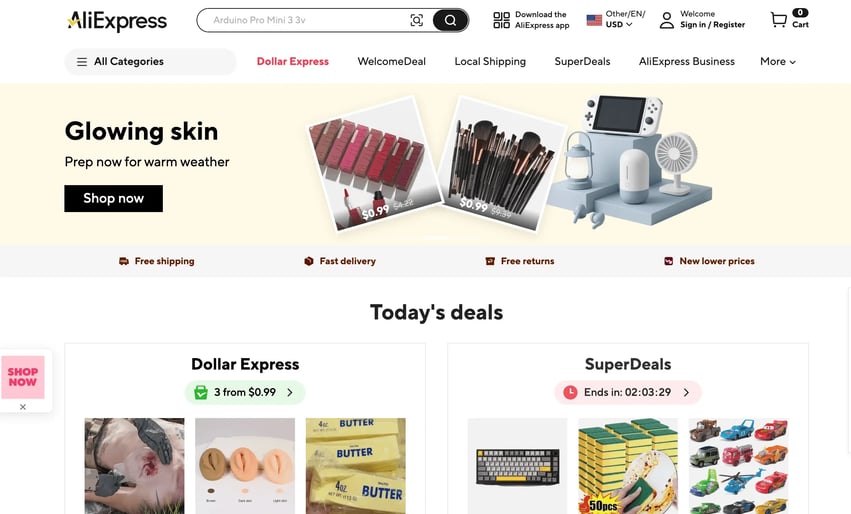
AliExpress is owned by Alibaba but operates as a direct-to-consumer marketplace, making it ideal for dropshipping or testing products without committing to bulk inventory.
In 2026, AliExpress has improved delivery speeds through “Choice” shipping and U.S. warehouse options, with some items arriving in under 10 days. There is typically no MOQ, allowing resellers to order single units for testing.
The tradeoff is inconsistent product quality and pricing that is higher per unit compared to bulk wholesale. Successful resellers often use AliExpress for product validation before moving to Alibaba for scaling.
3. Faire
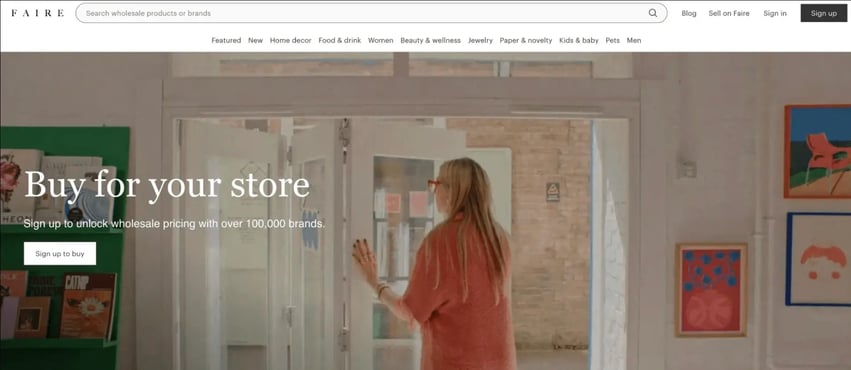
Faire is a curated wholesale marketplace focused on independent brands, boutique inventory, and niche products. It’s especially popular among resellers building a branded or aesthetic-driven shop.
As of 2026, Faire offers Net 60 payment terms for eligible retailers, meaning you can receive inventory and pay later. MOQs are typically low, and many brands offer free returns on first orders, reducing risk.
The downside is pricing. On Faire, products are more expensive than overseas wholesale, but the tradeoff is higher perceived value, better branding, and more consistent quality.
4. SaleHoo
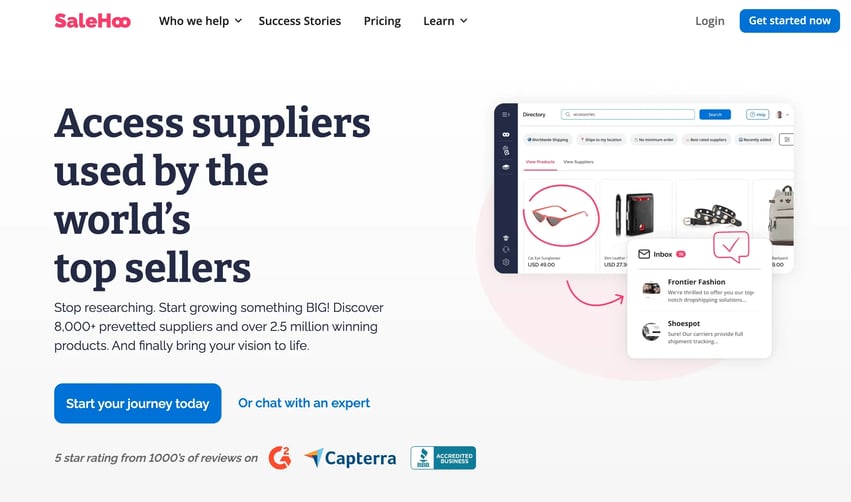
SaleHoo is not a supplier itself, but a directory of vetted wholesale and dropshipping suppliers. It’s designed to help resellers avoid scams and quickly find legitimate sourcing partners.
In 2026, SaleHoo continues to offer access to 8,000+ verified suppliers, along with its Market Research Lab, which helps identify trending products with real demand data.
It requires a paid subscription, but many beginners find value in the reduced risk and built-in research tools, especially when entering wholesale for the first time.
5. Spocket
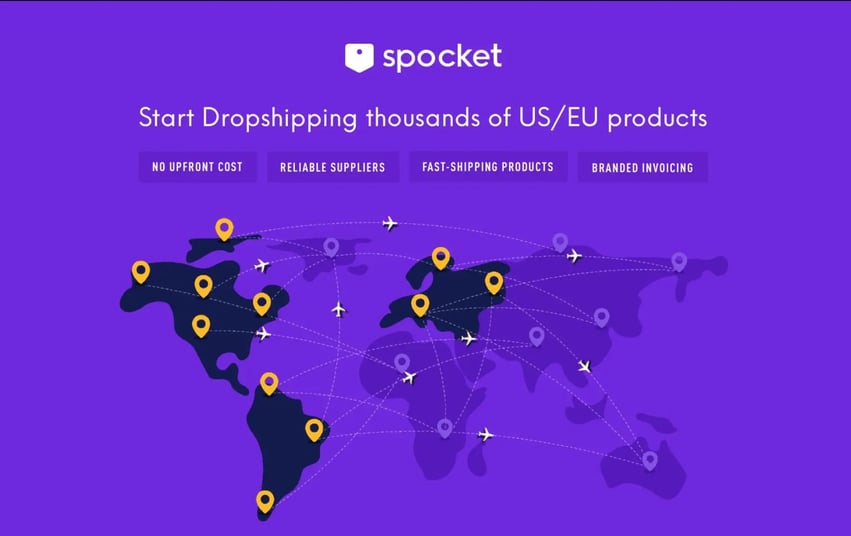
Spocket is a dropshipping platform focused on U.S. and EU-based suppliers, making it a strong alternative to AliExpress for faster shipping.
In 2026, Spocket integrates seamlessly with platforms like Shopify and WooCommerce, and offers branded invoicing, which helps resellers create a more professional customer experience.
Shipping times are often 2–7 days, significantly faster than overseas suppliers. However, the catalog is smaller and pricing is higher, which can reduce margins if not priced strategically.
6. Helpsy Source
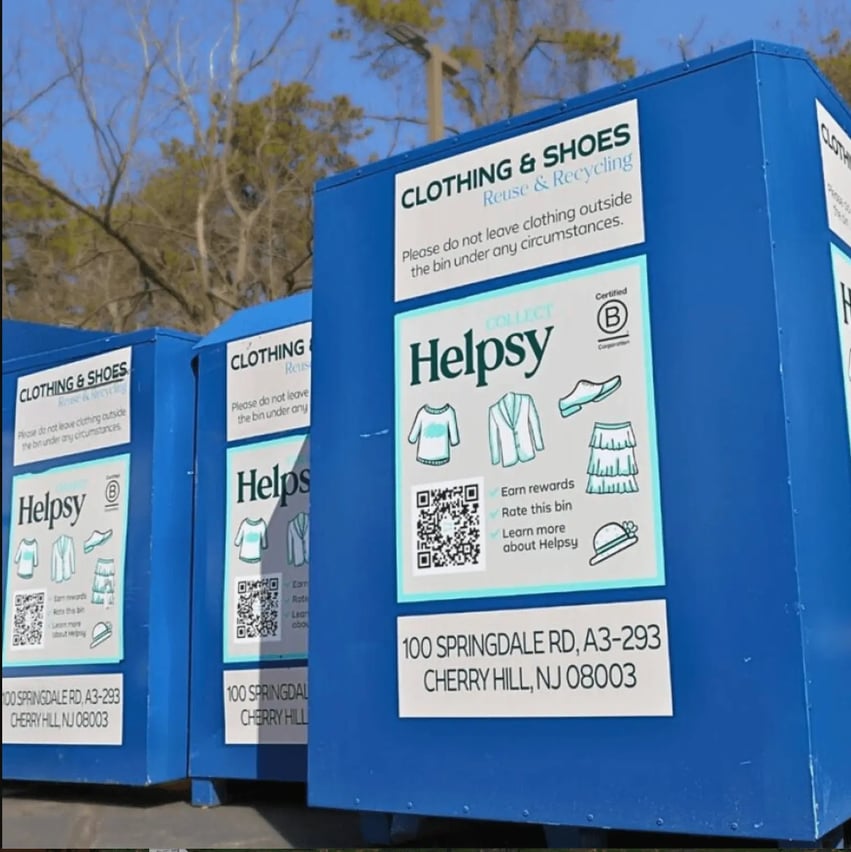
Helpsy Source is part of Helpsy’s textile recycling network and provides secondhand clothing in bulk, making it ideal for fashion resellers focused on sustainability.
In 2026, Helpsy continues to emphasize circular fashion, offering sorted and unsorted clothing boxes, including brand-specific lots. This is especially useful for Depop, Poshmark, and vintage sellers.
Condition varies significantly, so expect to sort, clean, and curate items. The upside is access to low-cost inventory with strong resale potential.
💡 Tip: You can also shop IRL at the Helpsy warehouse in New Jersey.
7. QuickLotz
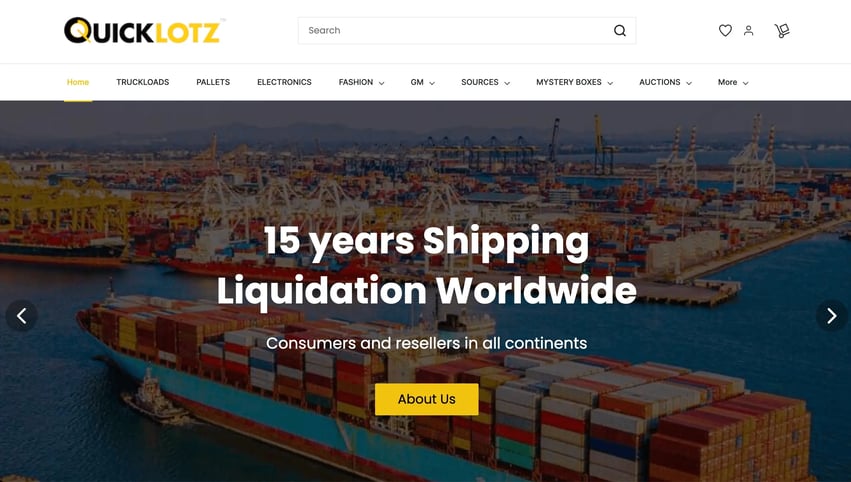
QuickLotz is a liquidation supplier offering pallets, truckloads, and wholesale lots, often sourced from major retailers.
In 2026, they continue to run live sales and auctions, making them popular among high-volume resellers and live sellers. Inventory ranges from clothing to general merchandise.
💡Tip: You can shop in person at QuickLotz in Texas!
Like other liquidation sources, quality varies, and buyers should expect to inspect, sort, and test items. Profitability depends heavily on experience and efficient processing.
8. Private Supplier Networks
Private supplier networks are invite-only or community-shared vendor connections, often found through reseller groups, Discord servers, or paid communities.
These suppliers frequently offer trending or hard-to-find inventory before it becomes saturated. In 2026, many resellers rely on these networks to stay ahead of trends.
However, there is no built-in protection, so due diligence is critical. Always verify legitimacy, request samples when possible, and avoid large upfront commitments until trust is established.
9. Fleek
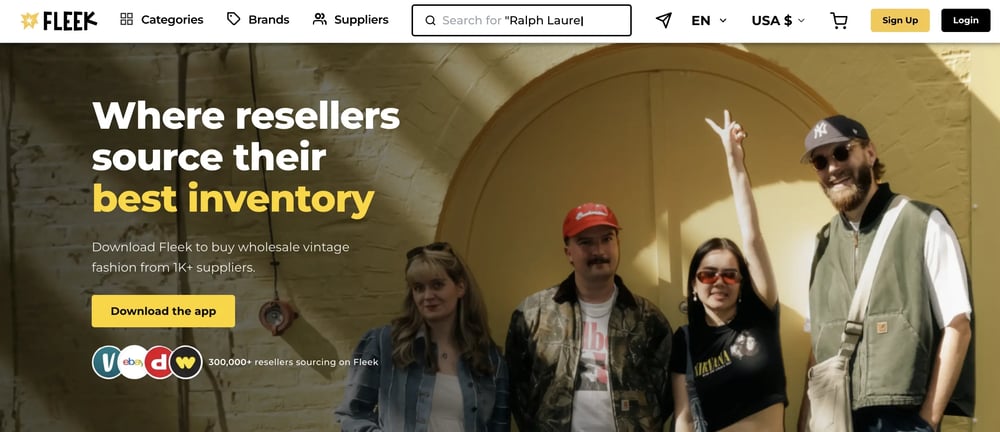
Fleek is a fast-growing wholesale marketplace focused on vintage and secondhand clothing suppliers. It has become especially popular with Depop, W,hatnot and Y2K fashion resellers.
Fleek continues expanding its network of global vintage wholesalers, allowing resellers to source branded streetwear, denim, jackets, and curated vintage collections directly through the platform.
Many sellers appreciate the ability to browse supplier ratings and product videos before purchasing. However, shipping costs and import fees can add up depending on the supplier location. Quality and selection varies by seller.
10. Boutique by the Box
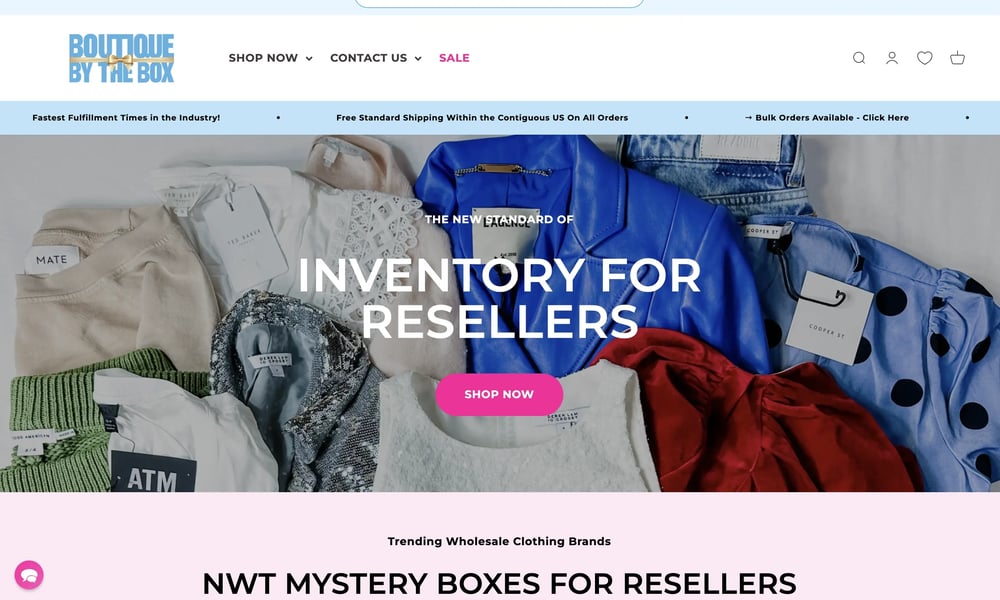
Boutique by the Box specializes in boutique-style women’s fashion sold in pre-curated wholesale packs. It is commonly used by online boutiques, Whatnot sellers, and live sellers looking for trendy inventory without massive minimum order requirements.
Their inventory often includes seasonal styles, dresses, tops, and casual wear that are ready for resale immediately after arrival.
The biggest advantage is simplicity. Newer resellers can purchase smaller quantities while still maintaining a boutique-style storefront.
11. Trendsi
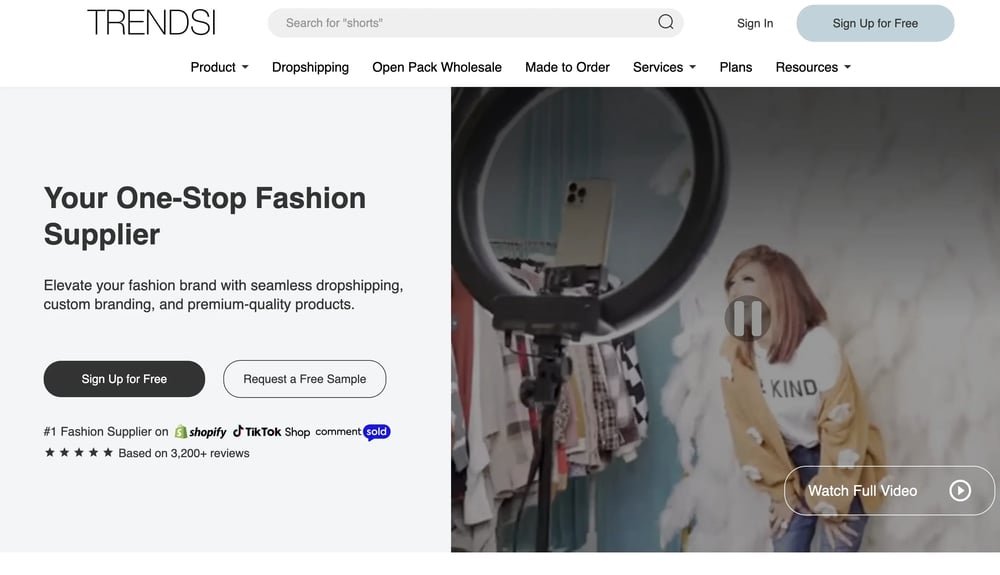
Trendsi combines dropshipping and wholesale purchasing on a single platform, making it attractive to Shopify boutiques and fashion resellers.
Trendsi offers U.S.-based fulfillment, branded invoicing, and direct integrations with ecommerce platforms. Sellers can test products through dropshipping before purchasing inventory in bulk.
Shipping is generally faster than overseas suppliers, often arriving within a week for U.S. customers. However, because of the convenience, margins can be slimmer than traditional wholesale sourcing.
12. Bulk Vintage Warehouse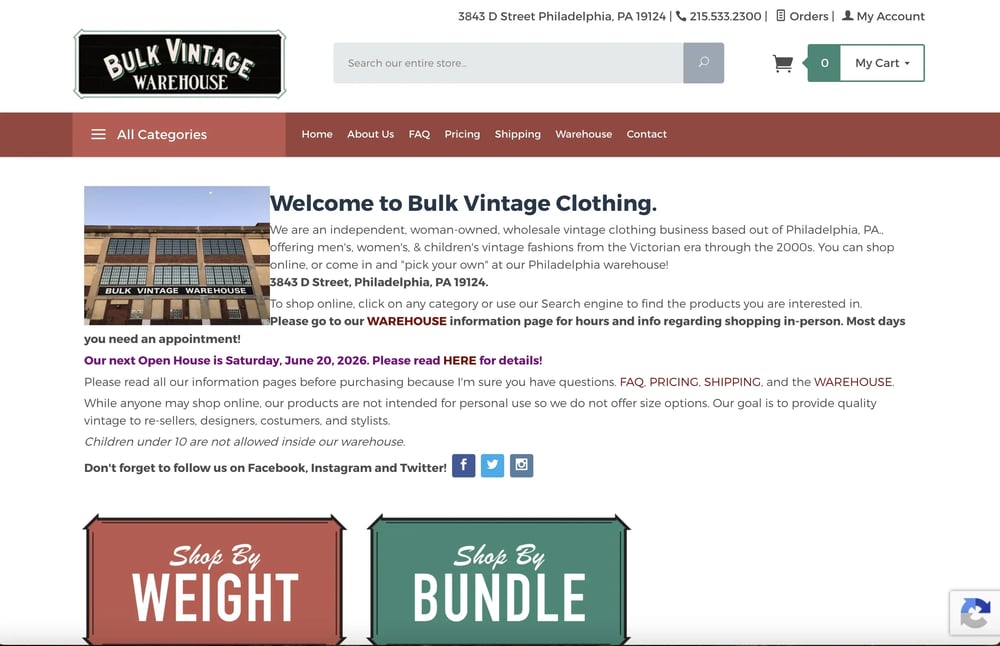
Bulk Vintage Warehouse is a wholesale vintage supplier specializing in branded vintage apparel and streetwear.
The company offers categories like Harley-Davidson, Carhartt, sportswear, denim, and Y2K fashion in bulk bundles. This makes it popular among vintage resellers selling on Depop, Grailed, and Etsy.
Like many vintage wholesalers, inventory quality varies by bundle, and successful sellers typically spend time sorting, cleaning, and curating pieces.
13. FashionGo
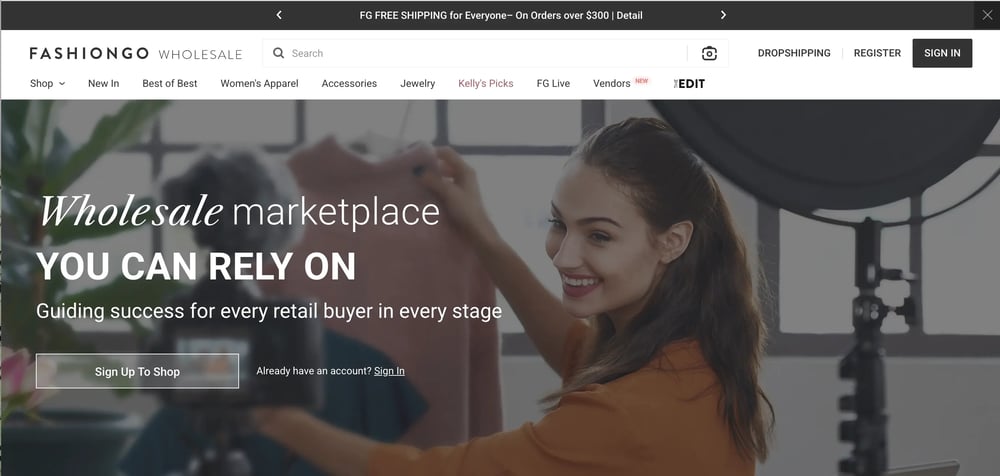
FashionGo is one of the largest U.S.-based wholesale fashion marketplaces, connecting boutiques with apparel manufacturers and distributors.
It offers women’s clothing, shoes, accessories, beauty products, and plus-size fashion from hundreds of vendors. Many suppliers ship quickly from Los Angeles fashion districts.
FashionGo is especially useful for boutique owners who want access to trendy inventory with faster domestic shipping compared to overseas suppliers.
14. OrangeShine
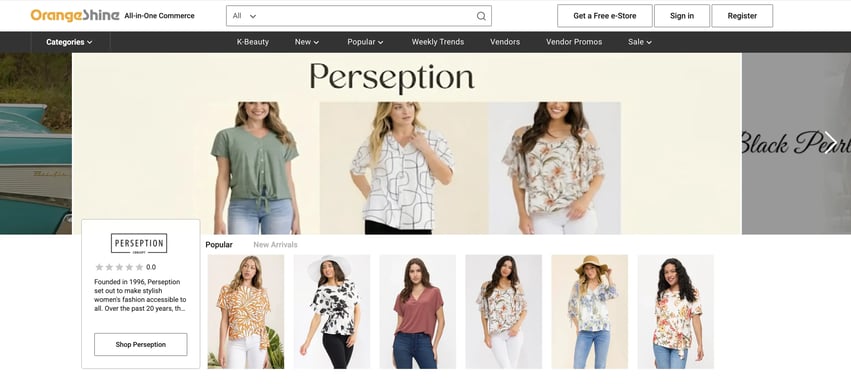
OrangeShine is a wholesale fashion marketplace that connects boutiques and online resellers with Los Angeles-based apparel vendors.
OrangeShine is popular among fashion boutiques looking for trendy inventory with fast domestic shipping and lower minimum order quantities than overseas manufacturers.
The platform offers women’s clothing, accessories, footwear, and seasonal fashion items from a wide range of suppliers. Many resellers use OrangeShine to quickly source trend-driven inventory for Shopify stores, TikTok Shop, Poshmark, and live selling platforms.
Because the platform is heavily fashion-focused, it may not be ideal for resellers outside the apparel niche.
Types of Reselling Vendors & Where They Fit
Every reseller sources inventory differently, but most suppliers fall into a few core categories. Understanding how each type of vendor works helps you choose sources that match your budget, niche, workflow, and growth goals.
Dropshipping Vendors
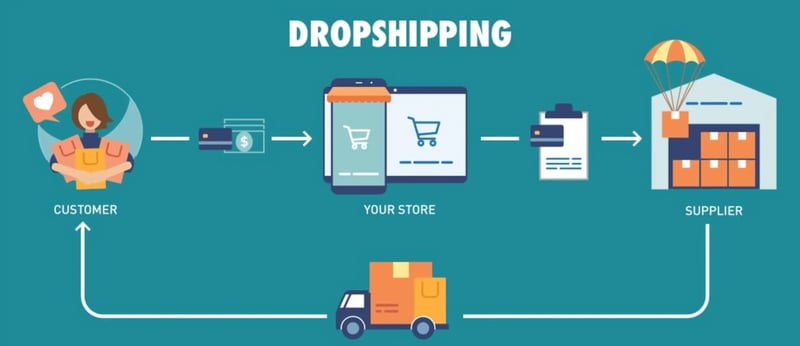
Image Source: USADrop
Dropshipping is a selling method where a seller lists products for sale but has a third-party supplier ship the items directly to the customer instead of keeping inventory themselves. Dropshipping vendors ship products directly to your buyer.
This model is popular for beginners because it has low upfront cost and minimal risk. Platforms like AliExpress, Spocket, and CJDropshipping provide single-unit orders and integrations with marketplaces.
Dropshipping is useful for testing product demand before committing to bulk purchases, but profit margins are often thinner, and shipping reliability varies.
💡 Tip: Dropshipping is not allowed on some marketplaces, so be sure to check the terms of service where you sell.
Don't forget to check our Best Dropshipping Products to Sell Guide
Bulk Wholesale Suppliers
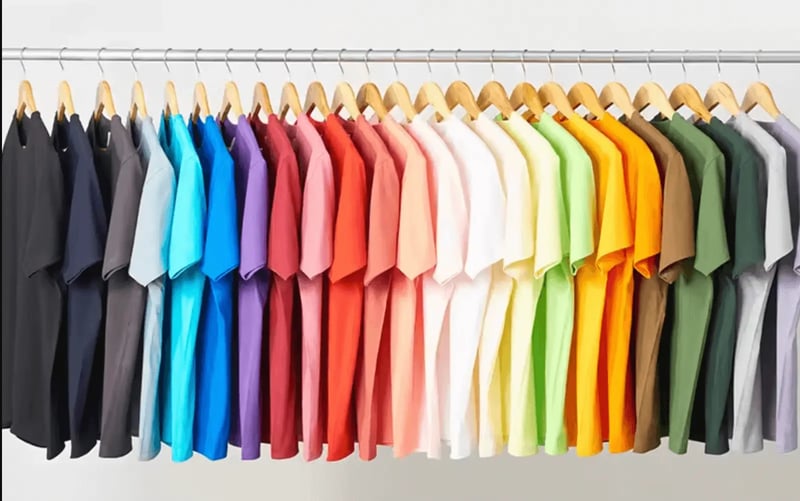
Image Source: Alibaba
Wholesale suppliers sell products in larger quantities at discounted prices. Generally, the larger the order, the better the price per unit. This approach offers higher profit margins but requires upfront investment and storage space. Vendors like Alibaba, Temu, and Faire dominate this category.
Wholesale sourcing is often the next step after testing products through dropshipping or thrift flipping.
You might also be interested in the article 12+ Best Bulk Items to Resell for Profit

Liquidation & Pallet Vendors
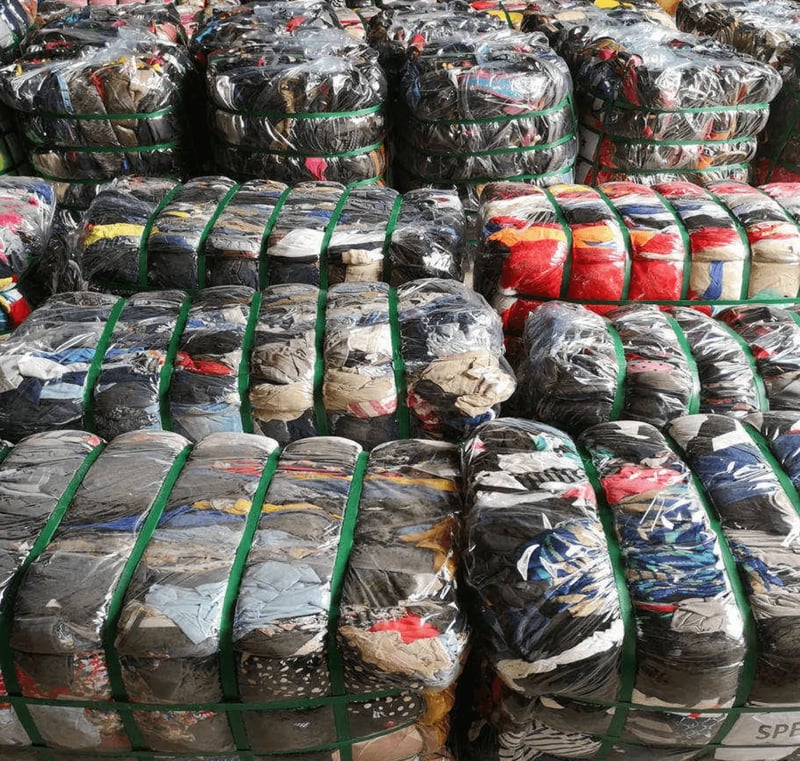
Image Source: Alibaba
Liquidation vendors sell overstock, returns, or shelf pulls from major retailers. Platforms like Bulq offer pallets or boxes at deep discounts. This model can generate strong profits but requires time to sort inventory and handle defects.
Liquidation sourcing is a volume strategy that is particularly helpful for live sellers that need to keep COG (cost of goods) low and stock levels high.
Curated Marketplaces
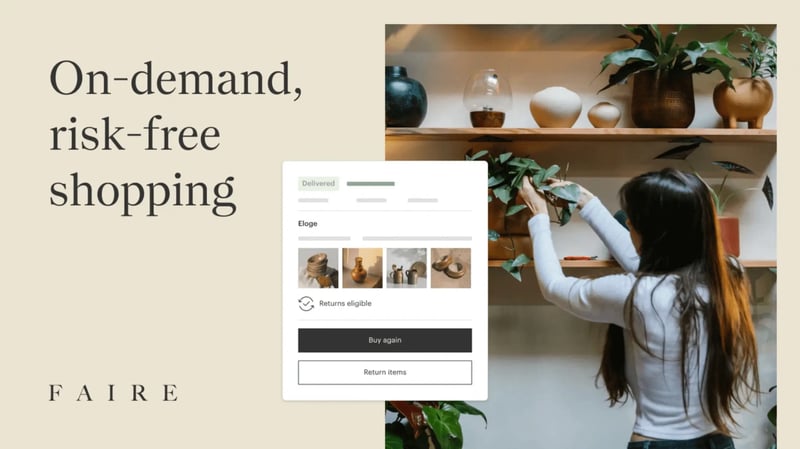
Image Source: Shopify
Curated wholesale platforms connect resellers with boutique brands or small-batch manufacturers. Faire is a popular example that offers net payment terms and brand-approved resale partnerships.
Shopify’s supplier guides highlight curated marketplaces as ideal for sellers building brand-focused shops or niche boutiques.
Local and Thrift Sources
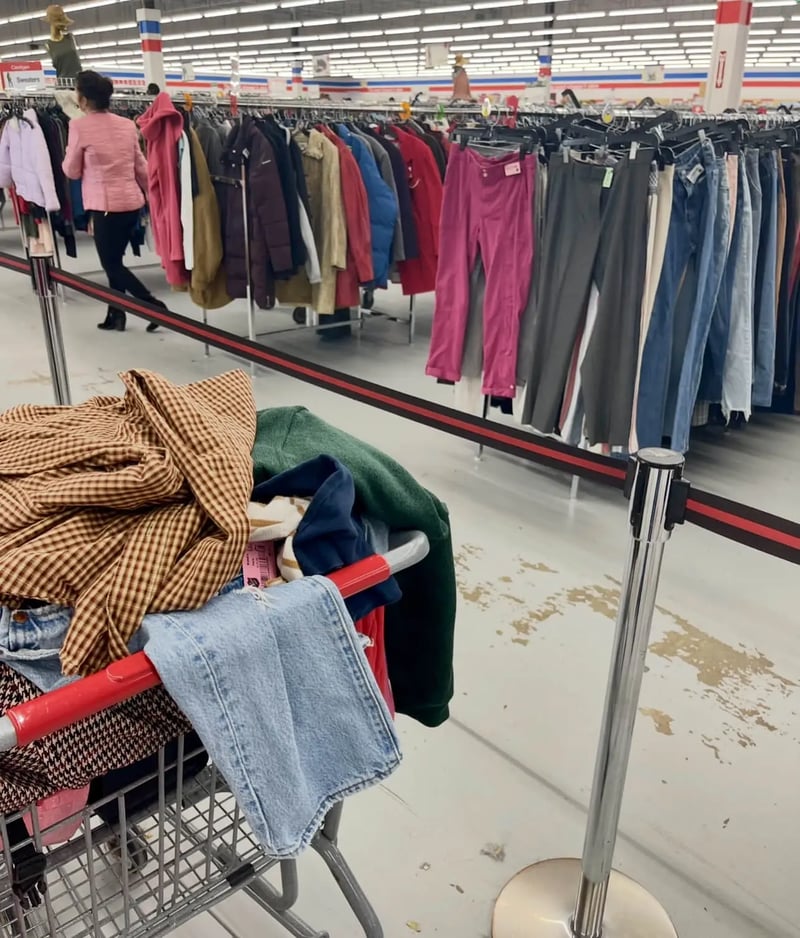
Local thrift stores, estate sales, clearance outlets, and garage sales remain core sourcing methods. Thrift reselling is still loved, but these methods rely heavily on chance; the chance that desirable, low-priced inventory is there. For this reason, most resellers combine thrifting and local sources with online sources.
💡 Tip: Most major thrift stores have reward programs and point systems where you can earn coupons and discounts.
How to Choose the Right Vendors
Choosing the right reselling vendors depends on your niche, budget, and sales platform. Most resellers diversify vendors. Here are some considerations in choosing:
1. Match Vendors to Your Niche
Luxury clothing resellers need different suppliers than electronics flippers. Start by identifying your best-selling categories and where you can routinely source them.
2. Consider Your Sales Platforms
If you sell on Poshmark or Depop, curated clothing vendors or thrift sourcing often work best. If you sell on Amazon or Shopify, wholesale or dropshipping suppliers may be better.
3. Set a Budget
Wholesale and liquidation require upfront investment. Dropshipping and thrift sourcing are more flexible. Determine which works better for your budget and cash flow.
4. Order Samples First
Test product quality, shipping speed, customer service, and availability by ordering samples. Always testing product quality before committing to large quantities or bulk orders.
5. Check Reviews and Return Policies
Look for verified suppliers, refund options, and customer feedback.
6. Be careful
Some red flags to watch out for include deals that seem unrealistically cheap, vendors without reviews, social media presence, or supplier history, poor communication, or requests for odd or unusual payment methods.
Tips for Sourcing & Maximizing Profits
Here are practical sourcing strategies used by experienced resellers.
- Start Small and Test Inventory: Use dropshipping or thrift sourcing to test product demand before investing in wholesale inventory.
- Track Margins Carefully: Include shipping costs, taxes, marketplace fees, and storage costs. Many resellers underestimate expenses. Don’t forget the time it takes to process large and bulk orders.
- Diversify Vendors: Relying on one supplier can cause stock shortages. Using multiple vendors or sourcing streams helps to maintain a consistent inventory.
- Use Crosslisting Tools to Sell Faster: Listing inventory across multiple marketplaces helps products sell more quickly. Tools like Vendoo help sellers scale
- Stay Updated Through Communities
Reddit, TikTok, and YouTube sourcing videos often reveal new vendor opportunities and liquidation deals.
💡 Tip: Remember that a lot of reviews are paid or incentivized, so they tend to be a bit disingenuous. Always test vendors to see for yourself.
Mistakes to Avoid When Sourcing Products
Sourcing is where your profit is made, but it's also where most resellers accidentally sabotage their business. In 2026, with global supply chains being more volatile and online marketplaces being stricter with bots, these five mistakes can be "business-killers."
1. Skipping the Sample Phase
It’s tempting to jump straight into a bulk order when you find a "trending" product, but skipping samples is the fastest way to end up with 500 units of trash.
- The Problem: Photos on platforms like Alibaba or Temu are often "representative" (read: stolen from a higher-end brand). Without a sample, you can’t verify the fabric quality, the "feel" of the material, or if the electronics even turn on.
- 2026 Context: With the rise of AI-generated product listings, "perfect" photos are easier to fake than ever. A sample is your only physical proof of reality.
- The Consequence: You risk a 100% loss on capital and a wave of "Item Not As Described" returns that can get your store banned.
2. Relying on a Single Supplier
"Single-sourcing" is a massive vulnerability. If your only supplier goes out of business, raises prices, or gets hit by a shipping delay, your shop goes dark.
- The Problem: Many resellers find one "good" vendor and stop looking. But in 2026, geopolitical shifts (like new tariffs or rerouted shipping lanes) can double your costs overnight.
- The Solution: Always have a "Backup B" and "Backup C." If your primary wholesale source in Asia is delayed, you should already have a domestic liquidation or thrift connection to keep your inventory flowing.
- The Consequence: Out-of-stock items lead to lower search rankings on platforms like eBay and Amazon, making it harder to "restart" your momentum once you finally find a new supplier.
3. Ignoring the "Landed Cost"
New resellers often calculate profit as Sale Price - Product Cost. This is a trap. You need to calculate the Landed Cost (the total cost to get the item into your hands).
- The Breakdown: This includes the unit price + freight/shipping + customs duties + insurance + payment processing fees. In 2026, logistics surcharges can add 15–30% to your base cost.
- The Consequence: You might think you have a 40% margin, but after landed costs and marketplace fees, you’re actually losing $2 on every sale.
4. Buying Unverified Liquidation Lots
The "Mystery Box" or "Unmanifested Pallet" is the siren song of reselling. It feels like a gamble that could pay off big, but the house usually wins.
- The Problem: Unmanifested lots are often the "bottom of the barrel"—items that have already been picked through by other resellers or the liquidation company itself.
- The Math: In 2026, successful liquidation pros look for a 40% recovery rate. If you buy a "mystery" lot, that rate often drops to 10%, meaning 90% of what you bought is literal garbage or "death pile" inventory that won't sell.
- The Consequence: You spend weeks cleaning, testing, and listing items that only sell for pennies, essentially paying yourself a $2/hour wage.
5. Neglecting Platform-Specific Rules
Marketplaces like Poshmark, Depop, and Amazon have vastly different rules about how you source.
- The Problem: For example, Poshmark strictly requires you to have the item "on hand." If you try to dropship from a vendor, you won't be able to use Poshmark's mandatory shipping labels. Amazon requires you to be the "Seller of Record," meaning your name must be on the invoices from the supplier.
- The 2026 Context: Platforms now use advanced tracking to see where a package originated. If you're "ghost shipping" from a warehouse in China while claiming to be in Chicago, the algorithm will flag you.
- The Consequence: Instant and permanent account suspension. Your "sourcing hack" isn't worth losing your entire storefront.
Pro Tip: Treat your first order with any new vendor as an "expensive education." Expect a few hiccups, and never spend more than you can afford to lose until that vendor has proven their reliability.
Reseller Vendors: Final Thoughts
There is no single best reselling vendor. The right supplier depends on your product niche, budget, and business goals.
Dropshipping vendors offer low risk entry. Wholesale suppliers provide better margins. Liquidation vendors can deliver high-volume inventory. Local thrift sourcing remains one of the most profitable methods for unique finds.
Most successful resellers combine multiple sourcing methods and monitor trends like faster domestic shipping and verified supplier networks. Always research vendors, order samples, and track profitability.
A strong sourcing strategy turns reselling into a scalable business.
Best Vendors For Resellers FAQs
What are reselling vendors?
Reselling vendors are suppliers that provide inventory for resale businesses. They include wholesalers, liquidation companies, dropshipping suppliers, curated marketplaces, and local thrift sources.
Which vendor type is best for beginners?
Dropshipping vendors are often easiest because they require little upfront investment. Many resellers later move into wholesale or liquidation for higher profits.
How do I know if a vendor is legitimate?
Check reviews, order samples, verify contact details, and avoid off-platform payments.
Can I use multiple vendors at once?
Yes. Many successful resellers combine thrift sourcing, liquidation, and wholesale suppliers to maintain a consistent inventory.
Do I need a lot of money to start?
No. Thrift sourcing and dropshipping allow beginners to start with minimal investment and scale over time.
Where do experienced resellers find vendors?
Resellers find vendors for sourcing from online reviews, Facebook Groups, Reddit threads, and their local communities.